
Understanding Myanmar Culture and Etiquette: A Traveler's Guide
Myanmar, a land of gilded pagodas, ancient cities, and serene landscapes, offers an unparalleled cultural immersion. To truly appreciate its beauty and connect with its warm-hearted people, understanding local customs and etiquette is paramount. This guide will equip you with the knowledge to navigate Myanmar respectfully and enhance your travel experience.
Respecting Buddhist Traditions
Buddhism is deeply woven into the fabric of Myanmar society, influencing daily life, art, and architecture. Showing reverence for religious sites and practices is essential for any visitor.
Temple and Pagoda Etiquette
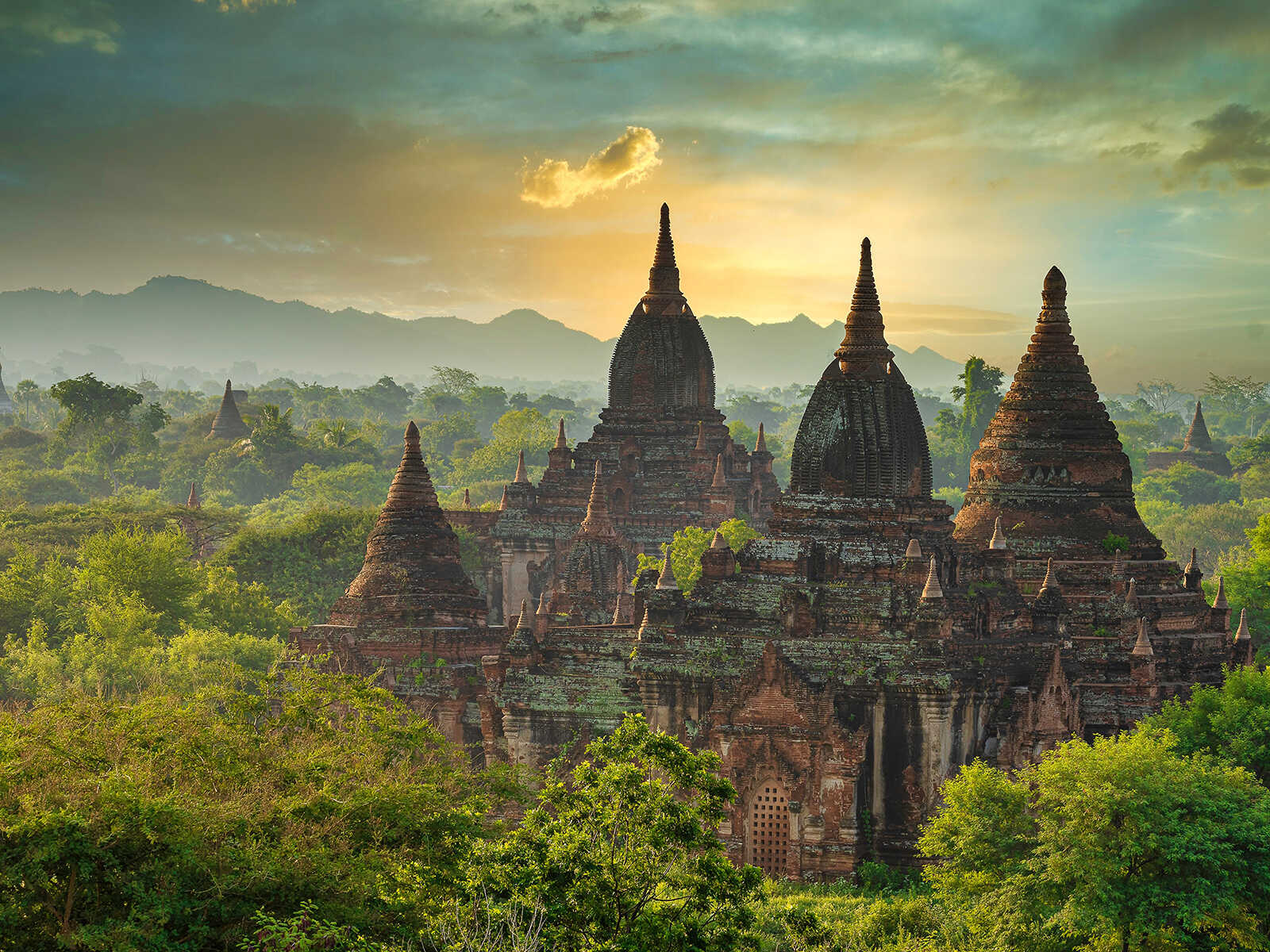
Myanmar boasts thousands of temples and pagodas, from the breathtaking Shwedagon Pagoda to the ancient marvels of Old Bagan, including the majestic Ananda Temple and the revered Mahamuni Buddha Temple. When visiting these sacred sites:
- Dress Modestly:Always cover your shoulders and knees. Loose-fitting trousers or long skirts are ideal. Avoid sleeveless tops, shorts, and short skirts.
- Remove Shoes and Socks:This is a universal rule for entering any pagoda, temple, monastery, or even some private homes. Be prepared to go barefoot, especially in sprawling complexes like Old Bagan or when climbing Mandalay Hill. Carry a bag for your footwear.
- Circumambulate Clockwise:Walk around stupas and Buddha images in a clockwise direction.
- Sit Respectfully:When sitting in front of a Buddha image, avoid pointing your feet towards it. Sit with your legs tucked to the side (the "mermaid" position) or cross-legged.
- Silence and Reverence:Keep your voice low and avoid disruptive behavior. Refrain from touching Buddha images or other sacred objects.
Travel Tip:Carry wet wipes to clean your feet after walking barefoot, especially during the hot season.
Interacting with Monks and Nuns
Monks and nuns hold a highly respected position in Myanmar society. Observe these courtesies:
- Show Deference:Address them with respect. If sitting, try to sit at a lower level than a monk.
- Avoid Physical Contact:Do not touch a monk or nun, especially if you are a woman. Women should avoid handing things directly to monks; place items on the ground nearby or ask a man to pass them.
- Offerings:If you wish to offer alms or donations, do so respectfully and ideally with both hands.
Greetings and Social Interactions
The people of Myanmar are generally gentle and hospitable. A little effort to understand their social customs goes a long way.
Traditional Greetings
The most common greeting is"Mingalabar"(pronounced Min-gah-lah-bar), meaning "auspiciousness." A polite nod and a smile are also appropriate. Handshakes are becoming more common, especially in urban areas and with men, but a slight bow is also respectful.
Personal Space and Gestures
- The Head:The head is considered the most sacred part of the body. Never touch someone's head, even a child's, without explicit permission.
- The Feet:The feet are the lowest and considered the dirtiest part of the body. Do not point your feet at people, Buddha images, or sacred objects. Avoid stepping over someone's legs or food.
- Pointing:If you need to point, do so with an open hand, palm up, or by indicating with your chin. Pointing with an index finger is considered rude.
- Public Displays of Affection:Keep public displays of affection (PDAs) to a minimum. Holding hands between same-sex friends is common, but romantic PDAs are frowned upon.
Addressing Locals
It's polite to address elders with honorifics:"U"(pronounced Oo) for older men and"Daw"(pronounced Daw) for older women. For those closer to your age,"Ko"(Ko) for men and"Ma"(Ma) for women are suitable prefixes before their names.
Giving and Receiving
When exchanging money, gifts, or business cards, always use your right hand or both hands as a sign of respect. Avoid using your left hand, which is traditionally considered unclean.
Dress Code and Appearance
While there's no strict dress code for tourists outside religious sites, modest attire is always appreciated and helps you blend in respectfully.
Modesty is Key
Opt for clothing that covers your shoulders and knees, especially when visiting towns and villages. Lightweight, breathable fabrics are best for the tropical climate. This also applies when visiting places like Bagaya Monastery or the impressive Maha Bodhi Ta Htaung Standing Buddha.
The Longyi and Thanaka
You'll notice many Burmese people wearing alongyi, a traditional sarong-like garment. It's comfortable and practical. Women also often wearthanaka, a yellowish-white paste made from ground bark, on their faces for sun protection and cosmetic purposes. It’s a beautiful cultural tradition.
Dining and Food Etiquette
Burmese cuisine is a delightful mix of flavors. Meals are often a communal affair, reflecting the country's hospitable nature.
Mealtime Customs
- Sharing is Caring:Dishes are typically served family-style, shared among everyone at the table.
- No Waste:It's considered good manners to finish the food on your plate.
- Hands or Utensils:While forks and spoons are common, many Burmese people eat with their right hand, especially with curries and rice. Don't be shy to try it!
- Offer First:In more traditional settings, food might be offered to elders or guests first.
Fun Fact:Burmese tea shops are vibrant social hubs, offering not just tea but also snacks and light meals. They're a great place to observe local life.
Photography Etiquette
Myanmar offers endless photo opportunities, from stunning landscapes to intricate temple details.
- Ask Permission:Always ask for permission before taking photos of people, especially monks, nuns, and children. A simple gesture or"Thwaa-yit loh ya-thala?"(May I take a photo?) goes a long way.
- Respect Sacred Sites:Be mindful when photographing inside temples. Avoid using flash during religious ceremonies and never pose disrespectfully with Buddha images.
Transportation and Public Spaces
Navigating cities and public transport offers insights into daily life.
- Queueing:While more structured in some places, queues can be less formal than in Western countries. Patience is a virtue.
- Bargaining:In markets and for taxis, light bargaining is common and expected, but always do so with a smile. However, fixed prices usually apply in shops and restaurants.
- Seating:On buses, offer your seat to elders, pregnant women, or monks.
Environmental Awareness
Myanmar's natural beauty, from the serene Inle Lake to the pristine Mergui Archipelago and the refreshing Dat Taw Gyaint Waterfall, is a treasure. Help preserve it.
- Leave No Trace:Dispose of your rubbish properly. Avoid littering, especially in natural areas and sacred sites.
- Conserve Resources:Be mindful of your water and electricity consumption.
- Support Local:Choose responsible tourism operators and support local businesses that adhere to ethical and sustainable practices.
Key Phrases to Learn
Even a few basic Burmese phrases can open doors and bring smiles:
- Mingalabar(Min-gah-lah-bar) – Hello / Auspiciousness
- Jay Zu Tin Bar De(Jay zoo tin bah deh) – Thank you
- Hlwar De(Hlwar deh) – Excuse me (to get attention)
- Kaung La?(Kaung lah?) – How are you?
- Pyaw Pyaw Lay Twah Ba(Pyaw pyaw lay twah bah) – Have a good trip
By embracing these cultural nuances and practicing respectful etiquette, you'll not only have a smoother journey but also forge deeper, more meaningful connections with the people and the soul of Myanmar. Your thoughtful approach will be genuinely appreciated, leaving you with unforgettable memories of this golden land.