
Ultimate Guide to Old Bagan: Exploring Ancient Temples and Pagodas
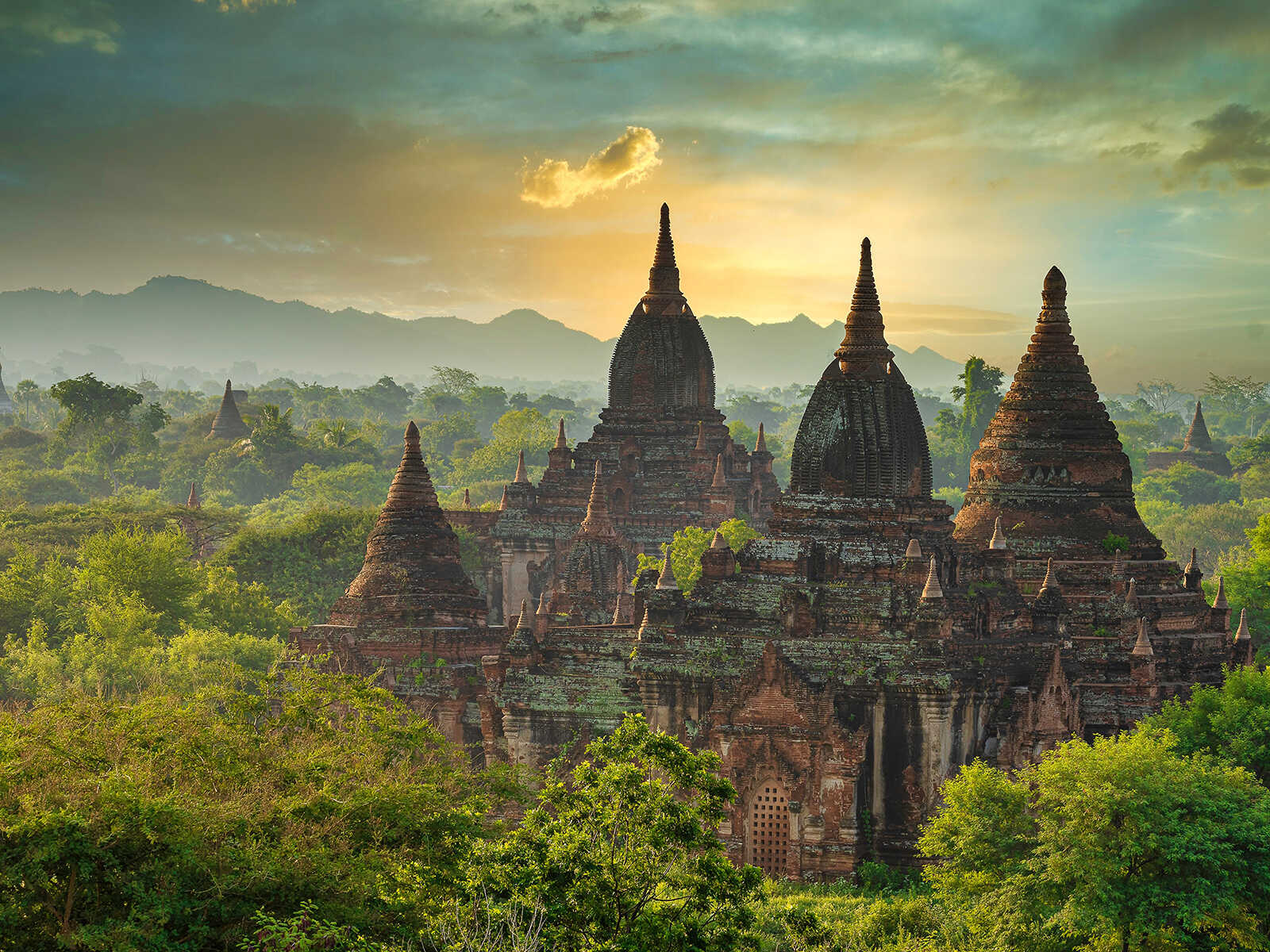
Nestled on the eastern banks of the Ayeyarwady River in central Myanmar,Old Bagan stands as a testament to a bygone golden era. This awe-inspiring archaeological zone, home to thousands of ancient temples, stupas, and pagodas, offers an unparalleled journey into the heart of Myanmar's rich spiritual and architectural heritage. Prepare to be captivated by a landscape unlike any other, where history whispers from every brick and sunrise paints the sky over a sea of sacred structures.
A Glimpse into History: The Kingdom of Bagan
The story of Old Bagan begins over a thousand years ago. From the 9th to the 13th centuries, Bagan was the capital of the Pagan Kingdom, the first unified Burmese kingdom. During its zenith, over 10,000 Buddhist temples, pagodas, and monasteries were constructed on the Bagan plains. This monumental undertaking solidified Bagan's status as a vibrant center for Buddhist scholarship and art, attracting monks and scholars from across Asia.
The kingdom's prosperity, however, eventually waned, succumbing to internal strife and ultimately, the Mongol invasions of the late 13th century. Despite its decline, the architectural marvels endured, standing as silent sentinels of a glorious past. Today, approximately 2,200 temples and pagodas remain, scattered across an area of 42 square kilometers, forming one of the most remarkable archaeological sites in Southeast Asia.
Why Visit Old Bagan?
Visiting Old Bagan is an experience that transcends mere sightseeing; it's a profound encounter with history, spirituality, and breathtaking natural beauty. The sheer scale of the temple complex is staggering, offering endless opportunities for exploration and discovery. Whether you're a history buff, a photography enthusiast, or a spiritual seeker, Bagan promises an unforgettable adventure.
- Unparalleled Landscape:Witness thousands of ancient structures rising from the dusty plains, creating a truly unique and dramatic panorama.
- Magical Sunrises and Sunsets:The iconic hot air balloons drifting over the temples at dawn, silhouetted against a fiery sky, is a quintessential Bagan experience.
- Spiritual Immersion:Explore active temples, observe local pilgrims, and soak in the serene, spiritual atmosphere that permeates the entire site.
- Architectural Wonders:Marvel at the intricate brickwork, detailed stucco carvings, and impressive scale of these centuries-old buildings.
Navigating the Temples: Must-See Pagodas and Temples
With thousands of structures to explore, it can be overwhelming to decide where to begin. While every temple holds its own unique charm, some stand out for their historical significance, architectural grandeur, or panoramic views. Remember to allocate enough time for exploration, as rushing through these ancient sites diminishes their impact.
Ananda Temple
Often considered the finest, best-preserved, and most revered of Bagan's temples,Ananda Temple is a masterpiece of Mon architecture. Built in 1091, its perfectly proportioned structure houses four towering standing Buddha images, each facing a different cardinal direction. The temple's gilded sikhara (spire) gleams under the sun, making it a prominent landmark.
Did you know?The name "Ananda" means "endless wisdom" in Sanskrit. Legend says the king who built the temple was so proud of its beauty, he executed the architects to ensure it would never be replicated.
Shwesandaw Pagoda
Famous for its five terraces and a cylindrical stupa, Shwesandaw was historically a popular spot for sunrise and sunset viewing due to its relatively easy ascent and expansive views. While access to climb many temples is now restricted for preservation, its grandeur from the ground remains captivating, offering a sense of the scale of the Bagan plain.
Thatbyinnyu Temple
Towering at 61 meters, Thatbyinnyu is Bagan's tallest temple, often referred to as the "temple of omniscience." Built in the mid-12th century, its majestic height and intricate brickwork showcase the advanced engineering skills of the Bagan period. It's a striking presence on the skyline, symbolizing the wisdom of the Buddha.
Dhammayangyi Temple
This massive, pyramid-like temple is the largest in Bagan, known for its superb brickwork and a somewhat ominous history. Legend says King Narathu, who commissioned it, was a cruel ruler who demanded the highest quality construction, executing workers for even minor flaws. Despite its unfinished nature, its imposing presence is undeniable.
Sulamani Temple
Meaning "Crown Jewel," Sulamani Temple is renowned for its elegant proportions and exquisite stucco carvings. Built in 1183, it features two stories and large, bright interior spaces, often adorned with remnants of ancient murals. Its intricate details and peaceful atmosphere make it a favorite among visitors.
Gubyaukgyi Temple (Myinkaba)
This smaller temple is particularly famous for its remarkably well-preserved interior frescoes, depicting Jataka tales (stories of the Buddha's past lives). The vibrant murals offer a rare glimpse into the artistic styles and religious narratives of the 12th century.
Getting Around Old Bagan
Exploring the vast plains of Old Bagan requires a plan for transportation. Several options cater to different preferences and budgets:
- E-bike (Electric Scooter):The most popular and recommended option. E-bikes are affordable, eco-friendly, and offer the freedom to explore at your own pace, navigating dirt paths and paved roads with ease.
- Traditional Bicycle:For the more adventurous and physically fit, cycling is a rewarding way to experience Bagan's serene landscape. It allows for intimate encounters with the local surroundings.
- Horse Cart:A traditional and charming way to get around, especially for those seeking a more relaxed pace. Horse carts offer a unique, nostalgic experience and are ideal for shorter distances or specific temple routes.
- Taxi/Private Car:For comfort and convenience, especially during hot weather or for covering long distances, hiring a taxi with a driver is a good option. Drivers often double as local guides, offering insights into the temples.
- Hot Air Balloon:For a truly unforgettable experience, a sunrise hot air balloon ride offers unparalleled aerial views of the entire archaeological zone. This is a seasonal activity and should be booked well in advance.
Best Time to Visit
The ideal time to visit Old Bagan is during thecool season, which runs fromNovember to February. During these months, temperatures are pleasant, rainfall is minimal, and the skies are generally clear, perfect for temple hopping and enjoying sunrises/sunsets. Thehot season(March to May) can be intensely warm, while therainy season(June to October) brings lush greenery but also muddy paths and occasional downpours, which might hinder exploration.
Where to Stay in Bagan
Accommodation in Bagan is generally concentrated in three main areas, each offering a distinct atmosphere:
- Old Bagan:Located within the archaeological zone, this area offers immediate access to many temples and a quieter, more historical ambiance. Options here are often more upscale.
- New Bagan:South of Old Bagan, this area was developed to relocate residents and now offers a good mix of mid-range to luxury hotels, restaurants, and local shops. It's a convenient base for exploration.
- Nyaung-U:Situated northeast of the temple plains, Nyaung-U is the bustling local town and the main transportation hub (airport, bus station). It offers a wider range of budget-friendly guesthouses, local eateries, and a vibrant market.
Essential Tips for Your Bagan Adventure
To make the most of your visit to this sacred site, keep these practical tips in mind:
- Respectful Dress Code:As a religious site, visitors are required to dress modestly. This means covering shoulders and knees. You'll also need to remove shoes and socks before entering temples and pagodas.
- Stay Hydrated:The weather can be hot and dry, especially outside the cool season. Carry plenty of water to stay hydrated throughout your day of exploration.
- Bagan Archaeological Zone Fee:Upon arrival, visitors are required to purchase an archaeological zone ticket. This fee contributes to the preservation and maintenance of the temples.
- Sunrise/Sunset Etiquette:While climbing specific temples for views is restricted, designated viewing mounds are available. Be mindful of others and respect local guidelines to protect these ancient structures.
- Local Interactions:Engage with local vendors and artisans respectfully. Many rely on tourism for their livelihoods.
- Combine with Other Destinations:Consider combining your Bagan trip with other incredible Myanmar destinations like the vibrant city of Yangon (home to Shwedagon Pagoda), the serene Inle Lake, or the cultural heartland of Mandalay.
Beyond the Temples: Other Experiences in Bagan
While the temples are undoubtedly the main draw,Old Bagan offers more to explore:
- Lacquerware Workshops:Visit local workshops in Myinkaba village to see artisans create intricate lacquerware, a traditional Bagan craft. You can observe the multi-stage process and purchase unique souvenirs.
- Local Markets:Immerse yourself in local life at the bustling Nyaung-U market, where you can find fresh produce, local snacks, and handicrafts.
- Ayeyarwady River Cruise:Enjoy a peaceful boat trip on the Ayeyarwady River, offering different perspectives of the temples from the water, especially beautiful at sunset.
- Mount Popa Day Trip:A popular excursion from Bagan is to Mount Popa, an extinct volcano topped by Taung Kalat, a monastery dramatically perched on a volcanic plug. It offers stunning views and a challenging climb.
The ancient plains of Old Bagan are more than just a collection of old buildings; they are a living museum, a spiritual sanctuary, and a testament to human ingenuity and devotion. Every visit unveils new wonders, from hidden frescoes to grand stupas, promising a journey filled with awe and discovery. Prepare to be enchanted by the timeless magic of this extraordinary destination.