
Shwedagon Pagoda: A Spiritual Journey Through Myanmar's Golden Wonder
Nestled in the heart of Yangon, the Shwedagon Pagoda stands as Myanmar's most revered spiritual landmark, a dazzling beacon of gold that has captivated pilgrims and travelers for centuries. This magnificent stupa is not merely an architectural marvel; it is a living testament to Buddhist devotion, a place where ancient history, profound spirituality, and breathtaking beauty converge.
The Enduring Allure of Shwedagon
Often referred to as the "Golden Pagoda,"Shwedagon Pagoda dominates the Yangon skyline, its shimmering golden gleam visible from miles away. It is undoubtedly the most sacred Buddhist pagoda in Myanmar, believed to enshrine relics of four previous Buddhas, including eight strands of hair from Gautama Buddha himself. Its presence is deeply woven into the fabric of Myanmar's identity, representing the spiritual heart of the nation and offering a profound glimpse into its rich cultural heritage.
A Tapestry of History and Legend
The origins of Shwedagon are steeped in legend, with tradition holding that it was built over 2,600 years ago, making it one of the oldest pagodas in the world. While archaeological evidence suggests a more modest 6th-10th century AD origin, its historical significance remains immense. Over the centuries, it has been rebuilt, enlarged, and adorned by numerous monarchs, each adding to its grandeur. Earthquakes have periodically damaged the structure, but each time, it has been meticulously restored, testament to the unwavering faith of the Myanmar people.
Fun Fact:According to legend, the Shwedagon Pagoda was built by two merchant brothers, Taphussa and Bhallika, who met the Buddha and received eight strands of his hair, which they then enshrined in the pagoda.
An Architectural Masterpiece in Gold
The sheer scale and opulence of Shwedagon Pagoda are simply astounding. The main stupa, rising nearly 110 meters (360 feet) high, is covered with thousands of gold plates, making it shimmer under the sun and glow magnificently at night. At its very peak, thehti(umbrella) is adorned with thousands of diamonds and other precious stones, including a single 76-carat diamond. This dazzling pinnacle is a sight to behold, reflecting light in every direction. Surrounding the main stupa are hundreds of smaller pagodas, shrines, and temples, each intricately designed and contributing to the complex's overall splendor. From the grand entrance halls adorned with murals to the quiet corners dedicated to meditation, every element within the complex speaks of profound artistry and devotion.
The Planetary Posts: A Unique Tradition
One of the most distinctive aspects of visiting Shwedagon is the tradition of the planetary posts. There are eight posts around the pagoda's base, each representing a day of the week (Wednesday is split into two halves, morning and afternoon, making eight posts in total). Pilgrims visit the post corresponding to their day of birth to offer water and flowers to the Buddha statue, believing it brings good luck and wards off evil. This ancient practice, deeply rooted in traditional Burmese astrology, offers a fascinating insight into local Buddhist customs and the personal connection devotees have with their faith. Witnessing locals perform these rituals is a humbling and memorable experience.
Embracing Spirituality: Your Visit to Shwedagon
A visit to Shwedagon Pagoda is more than just sightseeing; it's an immersive spiritual experience. The atmosphere is consistently serene, filled with the gentle murmur of prayers, the rhythmic chime of bells, and the subtle scent of incense. It's a place where time seems to slow, allowing for quiet contemplation amidst the vibrant devotion. Here's how to make the most of your journey:
Best Time to Visit:
- Sunrise:Witness the pagoda come alive with the first rays of dawn, a truly peaceful time with fewer crowds, ideal for photography and quiet reflection.
- Sunset:This is arguably the most magical time, as the golden stupa reflects the changing colors of the sky from fiery orange to soft pink. As darkness falls, thousands of lights illuminate the complex, creating an ethereal, glowing spectacle.
- Evening:Experience the pagoda buzzing with local pilgrims offering prayers, lighting candles, and meditating under the stars. The cooler temperatures also make for a more comfortable exploration.
Dress Code and Etiquette:
As a highly sacred site, respectful attire and behavior are essential. Remember these guidelines:
- Shoulders and Knees Covered:Wear long trousers or skirts and shirts that cover your shoulders. Scarves can be used for temporary coverage if needed.
- Remove Shoes and Socks:You must remove all footwear (shoes and socks) before entering the pagoda complex. It's advisable to bring a bag to carry them, or utilize the designated shoe minders near the entrances for a small fee.
- Walk Clockwise:Tradition dictates walking around the main stupa in a clockwise direction. This is a common practice in Buddhist worship.
- Be Respectful:Speak softly, avoid pointing your feet at Buddha images, and be mindful of worshippers engaged in prayer or meditation. Photography is generally permitted, but always be discreet and respectful of those around you.
What to See and Do:
- Observe Local Life:Take time to simply sit on the cool marble floors and watch the pilgrims. You'll see families praying together, monks meditating, and locals making offerings with deep devotion. It's a powerful insight into Burmese culture.
- Explore the Shrines and Pavilions:Wander among the numerous smaller stupas, shrines, and pavilions. Each holds unique Buddha images, intricate decorations, and often historical significance. Don't miss theNaungdawgyi Pagoda, believed to be the original site where the Buddha's hair relics were first placed.
- Ring the Bells:Gently ring some of the pagoda bells, believed to spread good karma and announce one's merits. The largest bell, theMaha Ganda Bell, is a notable feature.
- Visit the Museum:A small museum on the premises (often accessible via the Western entrance) offers more historical context and displays artifacts related to the pagoda's construction and restoration.
- Contemplate at the Wish-Fulfilling Place:Seek out the "Wish-Fulfilling Place" (Daung Lan Gyi), a spot believed to grant wishes if you pray sincerely.
Getting to Shwedagon Pagoda
Located prominently on Singuttara Hill in the heart of Yangon, accessing Shwedagon Pagoda is relatively straightforward from anywhere in the city. Taxis and ride-hailing services are readily available and are the most convenient options. Most drivers will know the pagoda well. There are four main entrances (North, South, East, West), each guarded by a pair of mythical lion-like creatures calledchinthe. Each entrance offers long staircases, and some also provide elevators or escalators for easier access to the main platform. The South entrance is often considered the main one for visitors.
Beyond Shwedagon: Exploring Myanmar's Riches
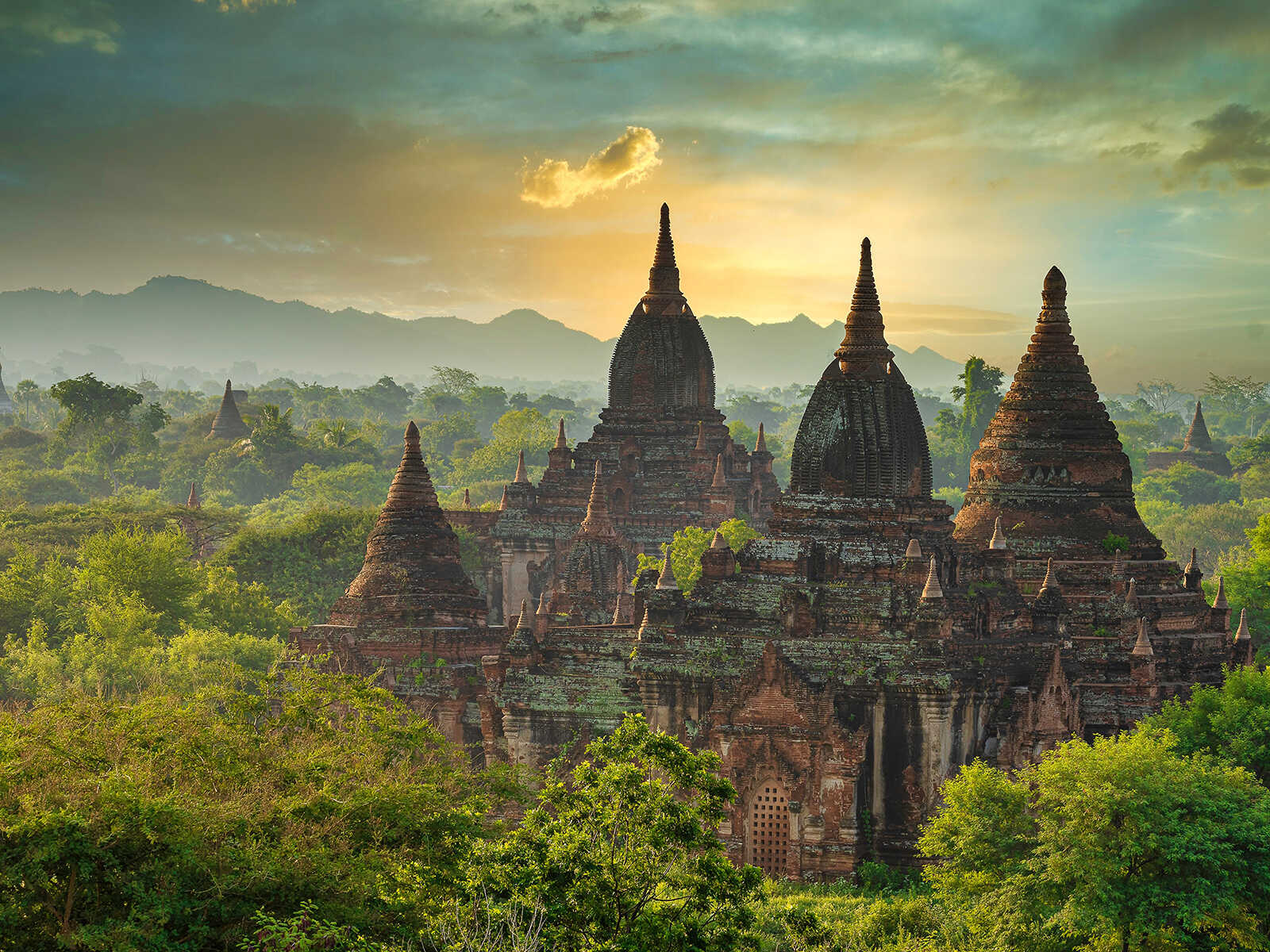
While Shwedagon Pagoda is an undeniable highlight, Myanmar offers a diverse tapestry of experiences for the curious traveler. From the ancient temples of Old Bagan, where thousands of pagodas like the magnificent Ananda Temple dot a vast plain, offering incredible sunrise and sunset views, to the serene leg-rowing fishermen of Inle Lake, and the pristine shores of Ngapali Beach, the country is rich with cultural and natural wonders. In Mandalay, explore the spiritual sites like Mahamuni Buddha Temple, climb Mandalay Hill for panoramic views, or marvel at the colossal Mingun Pahtodawgyi. Each destination offers a unique perspective on this captivating nation, promising a journey filled with discovery and wonder.
A Lasting Impression
The Shwedagon Pagoda is more than just a destination; it's an experience that leaves an indelible mark on every visitor. Its golden splendor, spiritual resonance, and the vibrant devotion of its pilgrims create an atmosphere unlike any other. Whether you are a spiritual seeker, a history enthusiast, or simply a traveler in search of beauty, Shwedagon promises a journey that is both enlightening and unforgettable. It truly is Myanmar's golden wonder, a beacon of peace and devotion that continues to inspire awe across the globe.