
Myanmar Festivals and Events: Celebrating with the Locals
Myanmar, a land steeped in ancient traditions and profound spirituality, offers a captivating calendar of festivals and events throughout the year. These vibrant celebrations provide an unparalleled opportunity to delve deep into the country's rich cultural tapestry and connect directly with the warmth of its people. From dazzling light displays to boisterous water fights, experiencing a festival here is an unforgettable journey into the heart of Burmese life.
Myanmar's festivals are more than just holidays; they are integral to the national identity, deeply rooted in Buddhist traditions, agricultural cycles, and regional customs. They are moments of communal gathering, spiritual devotion, and joyous celebration, often marked by elaborate ceremonies, traditional music and dance, delicious food, and a palpable sense of community spirit. For travelers, participating in these events offers a unique lens through which to understand the soul of this enchanting nation.
A Year of Festivities: Embracing Burmese Culture
While the exact dates of many festivals vary annually, as they are based on the lunar calendar, the spirit of celebration remains constant. Here's a glimpse into some of Myanmar's most prominent and captivating festivals:
Thingyan (Water Festival) – April
The Burmese New Year, Thingyan,is undoubtedly the country's biggest and most anticipated festival. Usually falling in mid-April, it's a nationwide spectacle where people playfully douse each other with water to wash away the sins and misfortunes of the past year and welcome the new one with purity. Streets transform into joyous battlegrounds with water cannons, hoses, and buckets. While the main objective is fun, the festival also includes religious observances, visiting pagodas, and offering alms.
Travel Tip:If you're in Myanmar during Thingyan, be prepared to get wet! Embrace the fun, wear quick-drying clothes, and protect your electronics. Yangon and Mandalay are particularly lively during this period.
Kason Full Moon Day (Buddha's Birthday) – May
Commemorating the birth, enlightenment, and parinirvana (passing) of Gautama Buddha, Kason Full Moon Day is a deeply revered religious festival. Devotees flock to pagodas and monasteries, carrying pots of water and flowers to pour on Bodhi trees, symbolizing the tree under which Buddha attained enlightenment. Processions, chanting, and merit-making activities are common sights across the country, including at significant sites like the Shwedagon Pagoda in Yangon and the Mahamuni Buddha Temple in Mandalay.
Waso Full Moon Day (Beginning of Buddhist Lent) – July
Marking the start of the three-month Buddhist Lent (Wa-dwin), Waso Full Moon Day sees monks retreating to their monasteries for a period of intense meditation and study. Laypeople offer new robes, alms, and other necessities to the monks. It's a time of spiritual reflection and increased devotion, with many Burmese observing the five precepts more strictly.
Thadingyut (Lighting Festival) – October
As the Buddhist Lent concludes, Myanmar erupts in a breathtaking display of light for Thadingyut. This festival celebrates Buddha's descent from the Tavatimsa heaven after preaching to his mother. Homes, streets, and pagodas are adorned with candles, lanterns, and electric lights, creating a magical ambiance. People visit pagodas, pay homage to elders, and exchange gifts. It's a truly enchanting time to witness the country's spiritual beauty.
Tazaungdaing (Hot Air Balloon Festival) – November
One of Myanmar's most visually spectacular festivals, Tazaungdaing, or the Festival of Lights, is particularly famous for its hot air balloon celebrations, especially in Taunggyi (Shan State) and near Mandalay Hill. Giant, intricately designed paper balloons, some shaped like animals, are launched into the night sky, often carrying fireworks. These balloons are offerings to the spirits and a way to ward off evil. The festival also involves robe-weaving competitions for monks and various religious activities.
Ananda Pagoda Festival – January
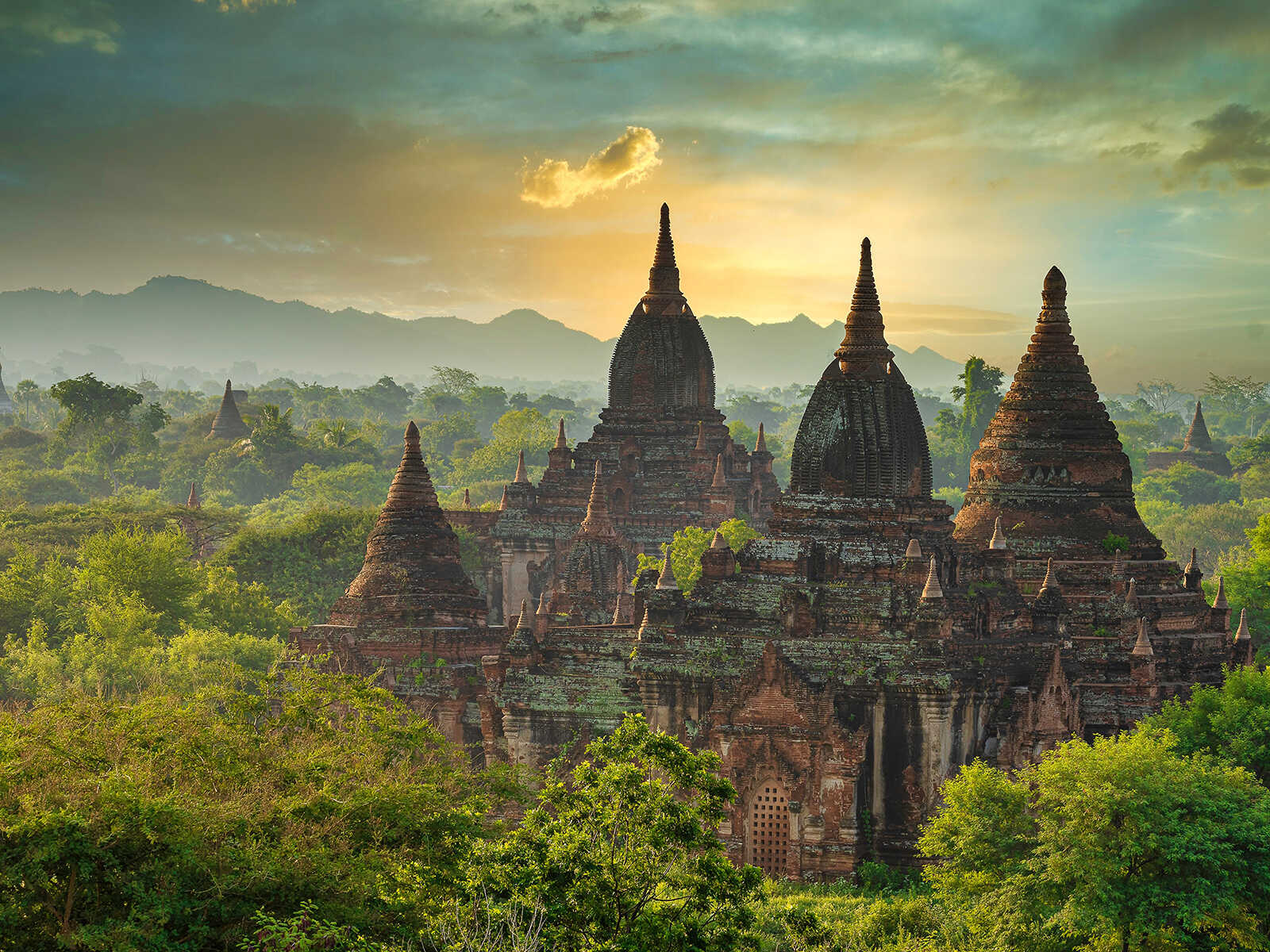
Held annually at the magnificent Ananda Temple in Old Bagan, this festival is a major pilgrimage event. Villagers from surrounding areas arrive by bullock cart, setting up temporary camps and market stalls. The festival features traditional dances, music, and religious performances. It's a wonderful opportunity to experience traditional Burmese rural life alongside the grandeur of Bagan's ancient temples.
Naga New Year Festival – January
For a truly unique cultural experience, the Naga New Year Festival in the remote Naga Self-Administered Zone offers a glimpse into the vibrant traditions of the Naga ethnic groups. This festival, held in various villages on a rotational basis, involves elaborate costumes, tribal dances, feasting, and the ceremonial slaughter of animals. It's a powerful display of ancient customs and a testament to Myanmar's incredible ethnic diversity. Due to its remote location, planning this trip requires significant advance preparation.
Mahamuni Pagoda Festival – January/February
This festival in Mandalay revolves around the revered Mahamuni Buddha Temple, home to one of Myanmar's most sacred Buddha images. The festival features traditional theatre, music, and dance, along with alms offerings and oil lamp lighting ceremonies. It's a significant event for devotees who come to pay respect and make merit.
Phaung Daw Oo Pagoda Festival – September/October
One of the most iconic events on Inle Lake, this festival sees the lake's revered Buddha images paraded around the lake on an elaborately gilded royal barge, pulled by dozens of leg-rowing Intha fishermen. The procession visits various villages, allowing locals to pay homage. It's a spectacular sight, showcasing the unique culture and traditions of the Intha people, complete with boat races and traditional performances.
Shwedagon Pagoda Festival – March
The festival at the iconic Shwedagon Pagoda in Yangon is a grand affair, drawing pilgrims from across the country. It's a time for offering robes to monks, chanting, and making merit. The pagoda glitters even more brightly during this period, with thousands of oil lamps lit around its base. Various cultural performances and market stalls add to the festive atmosphere.
Tips for Enjoying Myanmar's Festivals
To make the most of your festival experience, consider these practical tips:
- Respect Local Customs:Dress modestly, especially when visiting religious sites. Remove shoes and socks before entering pagodas. Be mindful of local etiquette, such as not pointing with your feet or touching people's heads.
- Plan Ahead:Festival periods often lead to increased demand for accommodation and transport. Book flights, buses, and hotels well in advance.
- Embrace the Crowds:Festivals are popular! Be prepared for large gatherings, especially at major events. Patience and a good-humored attitude will enhance your experience.
- Stay Hydrated and Safe:Carry water, wear sunscreen, and be aware of your surroundings. Keep valuables secure.
- Photography Etiquette:Always ask permission before taking close-up photos of people, especially monks and elders. Be respectful and discreet.
- Taste Local Delicacies:Festivals are a fantastic opportunity to sample regional street food and traditional snacks.
Cultural Insight:Many Burmese festivals involve making 'merit' (kutho), which refers to good deeds that improve one's karma. Participating in or observing these acts offers a deeper understanding of Buddhist philosophy in daily life.
Beyond the Major Festivals: Local Celebrations
While the major festivals draw national attention, countless smaller, regional events occur throughout the year. From local pagoda festivals near Bagaya Monastery or Maha Bodhi Ta Htaung Standing Buddha, to harvest celebrations in rural villages, these events offer an even more intimate connection with local life. Keep an eye out for posters or ask locals about any upcoming celebrations in the area you're visiting.
Conclusion
Experiencing a festival in Myanmar is more than just witnessing a cultural event; it's an immersion into the very soul of the country. The warmth of the people, the vibrant colors, the rhythmic sounds, and the deep sense of devotion create an atmosphere that is both exhilarating and profoundly moving. Whether you're splashing water during Thingyan or marveling at hot air balloons illuminating the night sky, Myanmar's festivals promise unforgettable memories and a unique insight into a truly special corner of the world. Plan your visit to coincide with one of these incredible celebrations, and you'll discover a side of Myanmar that few travelers ever forget.