
Is Myanmar Safe to Visit? Essential Travel Safety Tips
Myanmar, a land of gilded pagodas, ancient cities, and breathtaking landscapes, beckons travelers with its unique charm. However, recent political developments have naturally led many to question: is Myanmar safe to visit? While the situation requires careful consideration, with proper preparation and awareness, a rewarding and safe journey is still possible in many parts of this captivating country.
Understanding the Current Situation in Myanmar
The political landscape in Myanmar has seen significant changes in recent years, particularly following the military coup in February 2021. This has led to ongoing instability and conflict in certain regions. It is crucial for any prospective traveler to understand that the situation is fluid and can vary significantly from one area to another.
Before planning any trip, always consult official government travel advisories from your home country. These advisories provide the most up-to-date information on security risks, no-go zones, and recommended precautions. They are your primary resource for making an informed decision about travel to Myanmar.
While some areas are deemed unsafe or restricted, many popular tourist destinations, particularly those that have historically seen fewer direct impacts from political unrest, may still be accessible. However, this access can change without notice, and independent travel to remote areas is generally not advisable.
Always prioritize your safety. Consult multiple, official sources for current travel advisories and be prepared to adjust your plans based on evolving conditions.
General Safety Precautions for Travelers
Before You Go
- Travel Insurance:Comprehensive travel insurance is non-negotiable. Ensure it covers medical emergencies, evacuations, and trip cancellations, especially given the political climate.
- Visa Requirements:Check the latest visa regulations well in advance. Requirements can change, and some nationalities may face additional scrutiny.
- Medical Check-up & Vaccinations:Visit your doctor to discuss necessary vaccinations and any specific health precautions for Southeast Asia. Pack any essential prescription medications with a doctor's note.
- Emergency Contacts:Keep a list of emergency contacts, including your embassy, local police, and family members, both on your person and in your digital devices.
While You're There
- Register with Your Embassy:Inform your country's embassy or consulate of your travel plans and contact details. This can be vital in an emergency.
- Carry Copies of Documents:Keep your original passport and important documents secure in your accommodation. Carry photocopies or digital images on your phone.
- Inform Someone of Your Itinerary:Regularly update a trusted person back home about your whereabouts and travel plans.
- Stay Aware of Your Surroundings:Be vigilant, especially in crowded areas, markets, and public transport. Avoid walking alone at night in poorly lit areas.
- Avoid Political Gatherings:Steer clear of any demonstrations, protests, or large public gatherings, as these can escalate quickly and pose risks to bystanders.
- Local Transport:Use reputable taxi services or ride-hailing apps where available. When traveling by bus or train, be mindful of your belongings and choose well-maintained services.
- Cash is King (but be careful):While ATMs are increasingly available in major cities, carrying a mix of local currency (Kyat) and USD (crisp, new bills) is wise. Be cautious when withdrawing money from ATMs and avoid flashing large sums of cash.
Navigating Common Risks and Scams
Petty Crime
Like any popular tourist destination, Myanmar sees its share of petty crime. Pickpocketing and bag snatching can occur, particularly in busy markets, bus stations, or crowded tourist spots such as around the magnificent Shwedagon Pagoda in Yangon or the bustling vicinity of Mahamuni Buddha Temple in Mandalay.
- Tips:Keep valuables out of sight, use a money belt, carry your bag securely across your body, and be especially vigilant in crowded areas.
Scams
While Myanmar is generally known for its hospitable people, some opportunistic individuals may try to take advantage of tourists. Common scams can include overcharging for services, fake gem sales, or misleading tour offers.
- Tips:Always negotiate prices for taxis and services before you start your journey. Research reputable shops for souvenirs or gems. Be wary of overly friendly strangers offering unsolicited help or too-good-to-be-true deals.
Health and Hygiene
Maintaining good health is paramount for an enjoyable trip.
- Food and Water:Drink only bottled or purified water. Avoid tap water, even for brushing teeth. Eat freshly cooked food from reputable establishments. Be cautious with street food, ensuring it's hot and prepared hygienically.
- Mosquito-borne Diseases:Dengue fever and malaria are present in some areas. Use insect repellent, wear long sleeves and pants, especially at dawn and dusk, and consider mosquito nets if staying in basic accommodation.
- Sun Protection:The sun can be intense. Use high-SPF sunscreen, wear a hat, and seek shade during the hottest parts of the day.
- Basic Hygiene:Carry hand sanitizer and use it frequently, especially before eating.
Cultural Sensitivity and Local Etiquette
Myanmar is a deeply religious and conservative country, and showing respect for local customs is vital for a positive experience and personal safety.
- Dress Code:When visiting religious sites like the temples of Old Bagan, the intricate Ananda Temple, or the serene Bagaya Monastery, always dress modestly. Shoulders and knees should be covered.
- Shoes Off:Remove your shoes and socks before entering pagodas, temples, and private homes.
- Respect Monks:Monks are highly revered. Women should avoid touching monks. If you need to hand something to a monk, do so indirectly or place it on a surface for them to pick up.
- Photography:Always ask permission before taking photos of people, especially monks or those in traditional dress.
- Public Displays of Affection:Avoid overt public displays of affection, as they are generally not accepted.
- Pointing:Do not point with your feet, and avoid pointing directly at people or Buddha images with your finger.
The gentle nature of the Burmese people is a hallmark of the country. A respectful attitude and a smile go a long way in fostering positive interactions.
Exploring Myanmar's Wonders Responsibly
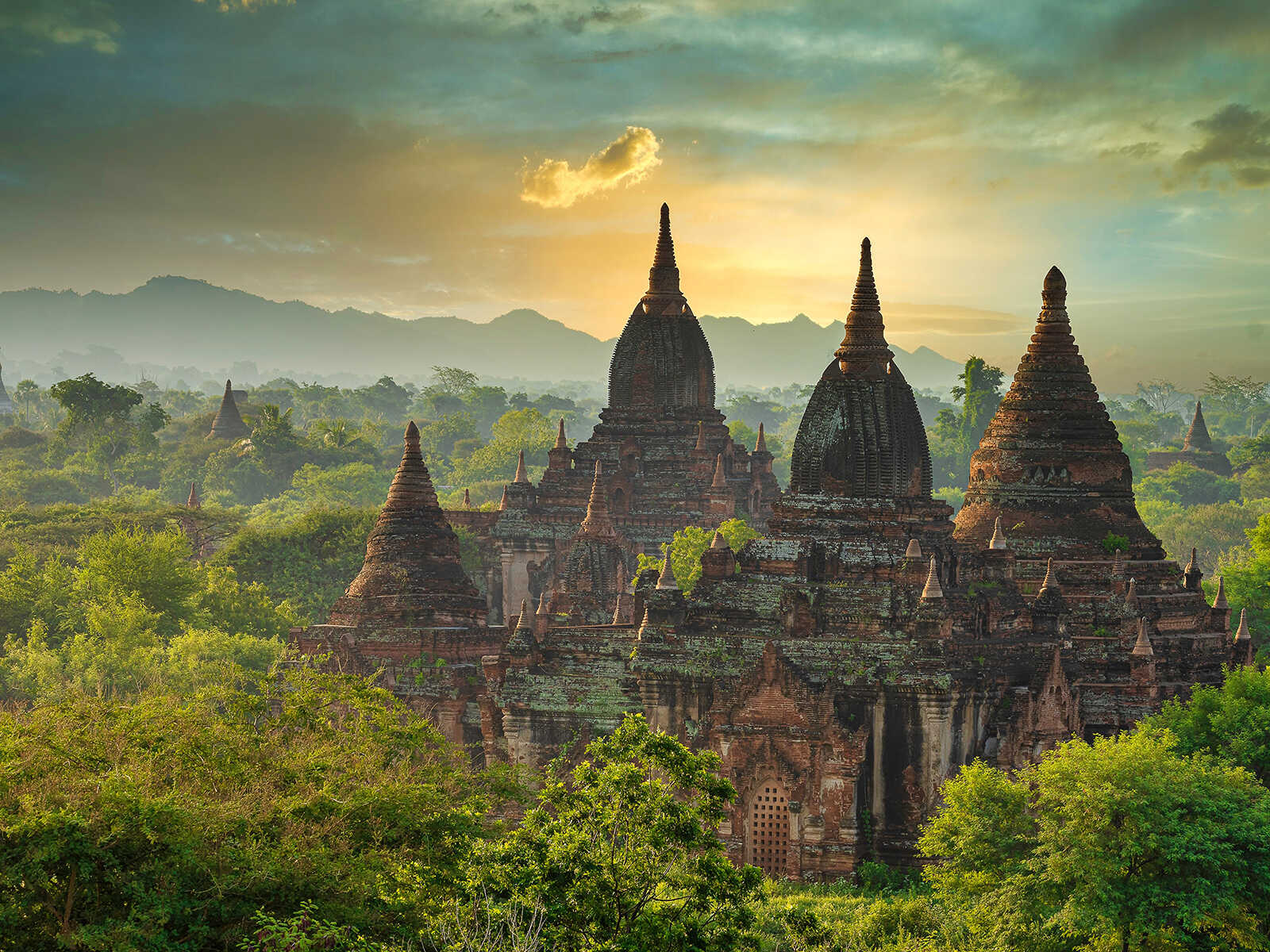
Despite the challenges, many of Myanmar's iconic attractions remain accessible and offer incredible experiences for responsible travelers. With careful planning and adherence to safety guidelines, you can still discover the serene beauty of Inle Lake, witness the sunrise over the ancient temples of Old Bagan, explore the cultural heart of Mandalay from Mandalay Hill, or relax on the pristine sands of Ngapali Beach.
Consider using reputable local tour operators and guides who have up-to-date knowledge of safe travel routes and local conditions. They can provide invaluable insights and ensure your journey is as smooth and secure as possible, whether you're marveling at the colossal Maha Bodhi Ta Htaung Standing Buddha or exploring the remote beauty of the Mergui Archipelago.
Be aware that some areas, particularly border regions or those with active conflict, may be off-limits or require special permits. Always adhere to local regulations and travel restrictions.
Key Takeaways for a Safe Journey
- Stay Informed:Regularly check official travel advisories from your home government.
- Be Prepared:Secure comprehensive travel insurance and have emergency plans.
- Respect Culture:Adhere to local customs and dress codes, especially at religious sites.
- Trust Your Instincts:If a situation feels unsafe, remove yourself from it.
- Support Responsibly:Choose ethical tour operators and accommodations that benefit local communities.
While travel to Myanmar currently requires an elevated level of vigilance and preparation, for those who choose to visit responsibly and stay informed, the country continues to offer profound cultural experiences and unforgettable natural beauty.