
Getting Around Myanmar: Your Guide to Local Transportation
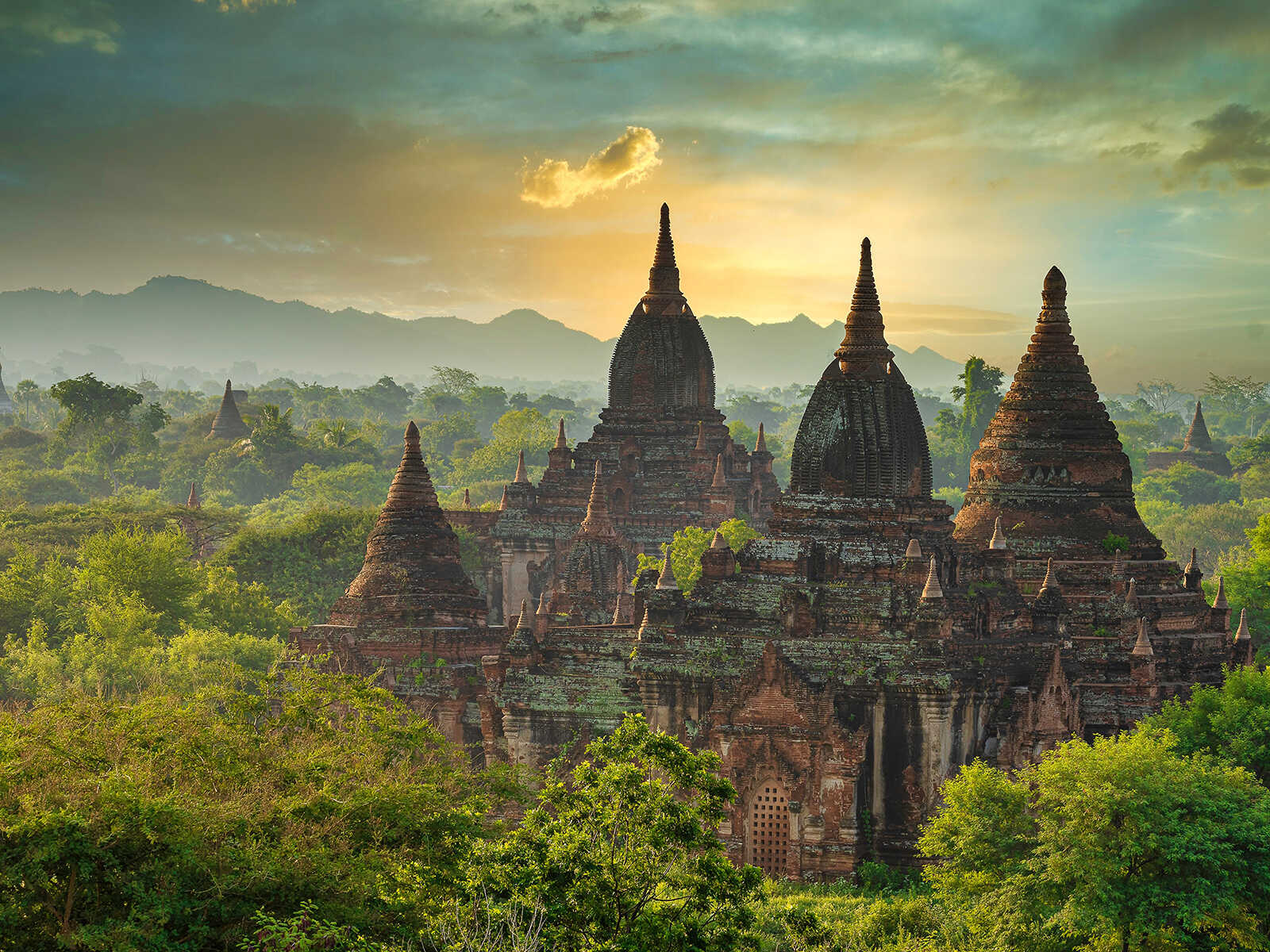
Navigating Myanmar, often called the "Golden Land," is an adventure in itself, offering a fascinating glimpse into local life and culture. From bustling cities to serene rural landscapes, understanding the transportation options is key to unlocking an unforgettable journey. This guide will help you traverse Myanmar efficiently and authentically, ensuring you make the most of your travels.
Myanmar's transportation network is as diverse as its landscapes, blending traditional methods with modern conveniences. While infrastructure continues to develop, travelers will find a range of choices from domestic flights and comfortable buses to scenic boat trips and unique local transport. Each mode of travel offers its own perspective on the country, allowing you to tailor your journey to your pace and preferences.
Long-Distance Travel: Connecting Myanmar's Wonders
For journeys between major cities and regions, you have several reliable options, each providing a distinct experience of the country's vastness.
Flights
Domestic flights are the fastest way to cover long distances in Myanmar, especially useful for those with limited time or looking to reach more remote destinations. Several local airlines operate routes connecting major hubs like Yangon, Mandalay, and Inle Lake to popular tourist spots such as Old Bagan and coastal retreats like Ngapali Beach. Flights are also essential for accessing regions like the Mergui Archipelago, typically via Kawthoung.
While often more expensive than ground transport, flying saves significant travel time and offers spectacular aerial views of Myanmar's diverse terrain. It's advisable to book flights in advance, particularly during peak season, to secure preferred timings and routes.
Buses
Buses are the backbone of inter-city travel in Myanmar, offering an affordable and extensive network connecting almost every town and city. From modern, air-conditioned luxury coaches with reclining seats to more basic local buses, there's a spectrum of options to suit different budgets and comfort levels. Night buses are particularly popular for long routes, such as between Yangon, Mandalay, and Inle Lake, allowing you to save daylight hours for sightseeing and accommodation costs.
Travel by bus provides an authentic experience, allowing you to observe local life unfold outside your window. Be prepared for varying road conditions and occasional delays, but also for friendly interactions and stunning scenery. Always book your tickets a day or two in advance, either through your guesthouse, a local travel agent, or directly at the bus station.
Traveler's Tip:For longer bus journeys, especially overnight, consider bringing snacks, water, a neck pillow, and warm clothing as air conditioning can be quite strong.
Trains
Myanmar's railway system offers a charming, albeit slow, alternative for long-distance travel. While not the fastest option, train journeys are incredibly scenic and provide a unique window into rural Myanmar. The most famous route is the Yangon Circular Railway, a local commuter train that encircles Yangon, offering an immersive three-hour experience of daily city life.
Other popular routes include the journey from Mandalay to Hsipaw, known for its dramatic Gokteik Viaduct, or from Yangon to Old Bagan. Expect older carriages and a leisurely pace, but also unparalleled photographic opportunities and interactions with local passengers. Booking 'upper class' or 'sleeper' tickets often provides more comfort, though these can still be rustic by international standards.
Boats and Ferries
For certain regions, boats are not just a mode of transport but an integral part of the travel experience. The Irrawaddy River, Myanmar's lifeline, offers scenic ferry services, notably between Mandalay and Old Bagan. This journey, often taking a full day, is a relaxing way to see riverside villages, working barges, and ancient pagodas from a different perspective.
In destinations like Inle Lake, longtail boats are the primary way to explore the floating gardens, stilt villages, and monasteries like Bagaya Monastery. Similarly, boat trips are essential for exploring the islands of the Mergui Archipelago or reaching the ancient stupa of Mingun Pahtodawgyi from Mandalay. Always ensure your boat operator is licensed and that life jackets are available.
Local Transportation: Navigating Cities and Towns
Once you arrive in a city or town, a variety of local transport options await to help you explore its nooks and crannies.
Taxis and Ride-Hailing Apps
In major cities like Yangon and Mandalay, taxis are readily available and a convenient way to get around. It's common practice to negotiate the fare before starting your journey, as meters are rarely used. For added convenience and transparency, ride-hailing apps like Grab are increasingly popular in Yangon and Mandalay, offering fixed prices and easier communication.
Taxis are ideal for reaching attractions such as the shimmering Shwedagon Pagoda in Yangon, or the Mahamuni Buddha Temple in Mandalay.
Tuk-Tuks and Motorbike Taxis
In smaller towns and for shorter distances, tuk-tuks (three-wheeled motorized rickshaws) and motorbike taxis are prevalent. These offer a more open-air experience and are often quicker at navigating crowded streets. Again, agree on the fare beforehand. They are excellent for exploring local markets or reaching nearby points of interest like Mandalay Hill.
Cyclos (Trishaws)
For a truly traditional and leisurely experience, hop on a cyclo. These bicycle rickshaws are perfect for short distances and allow you to soak in the sights and sounds at a relaxed pace. They are often found around markets and tourist areas. While slower, they offer a unique charm, especially in less hurried towns.
Bicycles and E-Bikes
In many tourist-friendly areas, particularly Old Bagan, renting a bicycle or an e-bike is a fantastic way to explore at your own pace. This offers the freedom to discover countless ancient temples like the Ananda Temple, and hidden pagodas independently. E-bikes are especially recommended in Bagan due to the vast distances and sandy tracks.
Walking
Don't underestimate the power of walking, especially for exploring specific sites or vibrant neighborhoods. Many attractions, such as the grand Shwedagon Pagoda complex or the serene National Kandawgyi Gardens, are best experienced on foot. Walking also allows for spontaneous discoveries and closer interactions with local life.
Practical Tips for Travelers
- Book Ahead:For flights and popular bus routes, especially during peak season or holidays, booking a few days in advance is highly recommended.
- Bargain Respectfully:When taking taxis or tuk-tuks without a meter, always negotiate the price before you start your journey. Do so with a smile and a friendly demeanor.
- Be Flexible:Travel in Myanmar can sometimes be unpredictable due to road conditions or local events. Embrace flexibility and enjoy the unexpected detours.
- Keep Addresses Handy:Have your destination address written in Burmese script or easily accessible on your phone to assist drivers who may not speak English.
- Stay Hydrated:Always carry water, especially when using open-air transport or walking, as Myanmar's climate can be hot and humid.
Getting around Myanmar is an integral part of the adventure, offering a mix of practical necessity and cultural immersion. Whether you're soaring above the clouds, navigating bustling streets, or drifting along tranquil waterways, each journey will deepen your connection to this enchanting country. Embrace the myriad options, stay open to new experiences, and let the Golden Land transport you.