
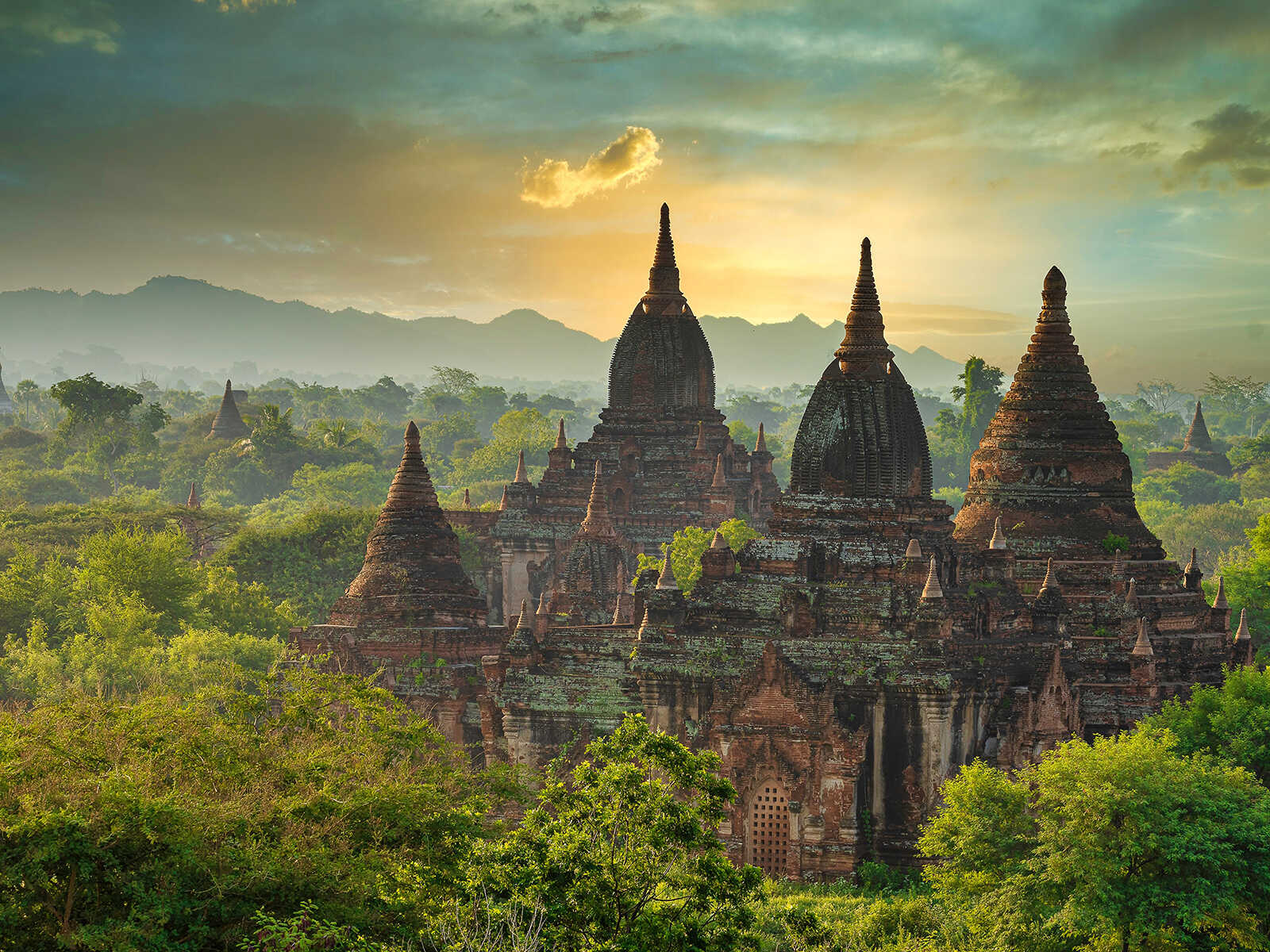
Best Time to Visit Myanmar: Planning Your Perfect Trip
Myanmar, a land of gilded pagodas, ancient cities, and breathtaking landscapes, offers an unforgettable journey for every traveler. Deciding thebest time to visitis crucial for maximizing your experience, as the country's diverse climate significantly impacts travel conditions and activities.
Understanding Myanmar's Seasons
Myanmar experiences three main seasons, each presenting unique opportunities and challenges for visitors. Understanding these climatic variations will help you tailor your itinerary for an optimal adventure.
The Dry Season: November to February (The Peak Season)
This period is widely considered the ideal time to visit Myanmar, characterized by pleasant temperatures, low humidity, and minimal rainfall. The weather is generally cool and comfortable across most of the country, making it perfect for sightseeing and outdoor activities.
- Climate:Average temperatures range from 20-25°C (68-77°F) in central plains and cooler in higher elevations like Inle Lake.
- Pros:Excellent weather for exploring ancient temples in Old Bagan, climbing Mandalay Hill, and relaxing on pristine beaches like Ngapali Beach or exploring the Mergui Archipelago. All major tourist sites, including the revered Shwedagon Pagoda, are easily accessible.
- Cons:This is peak tourist season, so popular sites can be crowded, and accommodation and flights might be more expensive. Early booking is highly recommended.
Many travelers find the crisp air and clear skies of the dry season perfect for hot air balloon rides over Old Bagan or enjoying sunset views from the Ananda Temple. Trekking in the Shan State is also particularly enjoyable during these months.
Travel Tip:While generally dry, evenings in higher altitudes, such as around Inle Lake or Kalaw, can be quite cool. Pack layers, especially if you plan to visit these regions.
The Hot Season: March to May (Shoulder Season)
As the dry season transitions, temperatures begin to climb significantly, especially in the central plains. This period can be challenging for some travelers but offers a unique, less crowded experience.
- Climate:Temperatures in central Myanmar (like Bagan and Mandalay) can soar to 35-40°C (95-104°F). Coastal areas remain hot but can be more humid, while highland regions are comparatively milder.
- Pros:Fewer tourists mean a more intimate experience at popular sites like Mahamuni Buddha Temple or Mingun Pahtodawgyi. Accommodation prices might be lower. It's an excellent time for water festivals, notably Thingyan (Myanmar New Year) in April, which involves nationwide water throwing celebrations.
- Cons:Intense heat can make daytime sightseeing uncomfortable. Trekking can be arduous, and some domestic flight schedules might be reduced. Humidity can also be a factor in coastal areas.
If you're heat-tolerant, this season can be rewarding. Plan your activities for early mornings and late afternoons, taking advantage of midday for relaxation or indoor cultural experiences. Cooler escapes can be found in places like National Kandawgyi Gardens near Pyin Oo Lwin.
The Wet/Monsoon Season: June to October (Low Season)
The monsoon season brings heavy rainfall, particularly along the coast and in southern Myanmar. While it deters some travelers, it transforms the landscape into a lush, vibrant green.
- Climate:Frequent, heavy downpours, especially in July and August. Temperatures are moderate, typically around 25-30°C (77-86°F), with high humidity.
- Pros:The countryside is incredibly green and verdant, offering stunning photographic opportunities, particularly around waterfalls like Dat Taw Gyaint Waterfall. Fewer tourists mean a peaceful atmosphere and potentially significant discounts on accommodation and tours. Cultural sites are often less crowded, allowing for reflective visits to places like Shwedagon Pagoda.
- Cons:Heavy rains can disrupt travel plans, especially affecting domestic flights, road conditions, and boat trips. Coastal resorts, including those at Ngapali Beach and the Mergui Archipelago, typically close during this period. Trekking can be difficult due to muddy trails.
Despite the challenges, the monsoon season offers a unique perspective of Myanmar's beauty. If you're planning a trip during this time, focus on cultural hubs like Yangon, Mandalay, and Inle Lake, which are less affected by the rains than coastal areas.
Regional Considerations for Your Trip
Myanmar's diverse geography means that the "best time" can vary depending on which region you plan to visit.
Central Plains (Bagan, Mandalay, Monywa)
Regions home to ancient wonders like Old Bagan, the Maha Bodhi Ta Htaung Standing Buddha,Mahamuni Buddha Temple, and Mandalay Hill are best visited during the dry season (November to February) when temperatures are mild and rainfall is minimal. The hot season (March to May) can be extremely challenging due to high temperatures, while the monsoon season brings heavy rains that can make unpaved roads difficult to navigate.
Highlands (Inle Lake, Shan State, Pyin Oo Lwin)
The cooler temperatures of the highlands make them pleasant almost year-round. However, the dry season (November to February) is ideal for trekking around Inle Lake and exploring local villages and monasteries like Bagaya Monastery. Even during the hot season, these areas offer a reprieve from the heat of the plains. The monsoon season brings lush landscapes, but trekking routes can be muddy.
Coastal Regions (Ngapali Beach, Mergui Archipelago)
Beach destinations like Ngapali Beach and the remote Mergui Archipelago are strictly seasonal. The dry season (November to February) and extending slightly into March is the only time to visit, with calm seas and sunny skies perfect for swimming, snorkeling, and diving. Most resorts and tour operators close from May to October due to heavy monsoon rains and rough seas.
Planning Your Trip: Key Factors to Consider
Your Activities and Interests
- Cultural Exploration:For exploring temples and historical sites in Old Bagan, Yangon, and Mandalay, the dry season is most comfortable. However, the monsoon season can offer a more atmospheric, less crowded experience if you don't mind the rain.
- Beach Relaxation:The dry season (November to March) is the exclusive window for coastal getaways.
- Trekking & Outdoors:The dry season (November to February) is best for hiking in the Shan State or exploring caves like Mahar Sadan Cave.
- Photography:The dry season offers clear skies, while the monsoon season provides dramatic clouds and incredibly vibrant green landscapes.
Crowds and Atmosphere
If you prefer a lively atmosphere and don't mind crowds, the peak dry season is perfect. For a more tranquil and intimate experience, consider the shoulder months (late February, early March) or the low season, keeping regional variations in mind.
Festivals and Events
Myanmar hosts numerous vibrant festivals throughout the year. For instance, the Thingyan Water Festival (April) marks the Buddhist New Year, while the Taunggyi Hot Air Balloon Festival (November) offers a spectacular sight in the Shan State. Researching these events can add an exciting dimension to your trip, but also means higher demand for accommodation.
What to Pack for Each Season
- Dry Season:Lightweight clothing for daytime, a light jacket or sweater for cooler evenings, especially in highlands. Sunscreen, hat, and comfortable walking shoes are essential.
- Hot Season:Very light, breathable clothing (cotton, linen). Wide-brimmed hat, sunglasses, and high-factor sunscreen are crucial. Stay hydrated.
- Wet Season:Lightweight, quick-drying clothing. A good quality waterproof jacket or umbrella is a must. Waterproof bags for electronics and sturdy, water-resistant footwear are highly recommended.
Conclusion
While the dry season fromNovember to Februaryis generally considered thebest time to visit Myanmarfor its comfortable weather and accessibility, each season offers a distinct charm. Your perfect trip ultimately depends on your priorities: whether it's sun-drenched beaches, lush green landscapes, cultural immersion, or avoiding the crowds. Plan wisely, and prepare to be captivated by the magic of Myanmar.