
Unique Mozambique Experiences: Beyond the Typical Tourist Trail
Mozambique, with its extensive coastline and rich cultural tapestry, offers much more than just beautiful beaches. For the discerning traveler seeking authentic encounters and unparalleled natural beauty, venturing beyond the well-trodden paths reveals a country brimming with unique adventures and unforgettable experiences. Discover hidden gems that promise a deeper connection to this captivating African nation.
Discovering Mozambique's Untamed North
The northern reaches of Mozambique are a frontier of breathtaking beauty and ancient history, where the pace of life slows, and cultural traditions thrive.
The Remote Allure of the Quirimbas Archipelago
Stretching along Mozambique's northern coast, the Quirimbas Islands are a chain of 32 coral islands, many of them uninhabited, offering an unparalleled escape. This national park is a sanctuary for marine life, boasting pristine coral reefs teeming with colorful fish, turtles, and dolphins. Beyond the underwater spectacle, visitors can explore ancient Swahili ruins, witness traditional dhow building, and immerse themselves in the local Mwani culture. Some islands, like Ilha Vamizi, offer exclusive eco-lodges that blend luxury with conservation, providing intimate access to this remote paradise. Kayaking through mangroves, snorkeling in crystal-clear lagoons, or simply relaxing on deserted white-sand beaches are just some of the ways to experience the Quirimbas' magic.
A Glimpse into History: Island of Mozambique
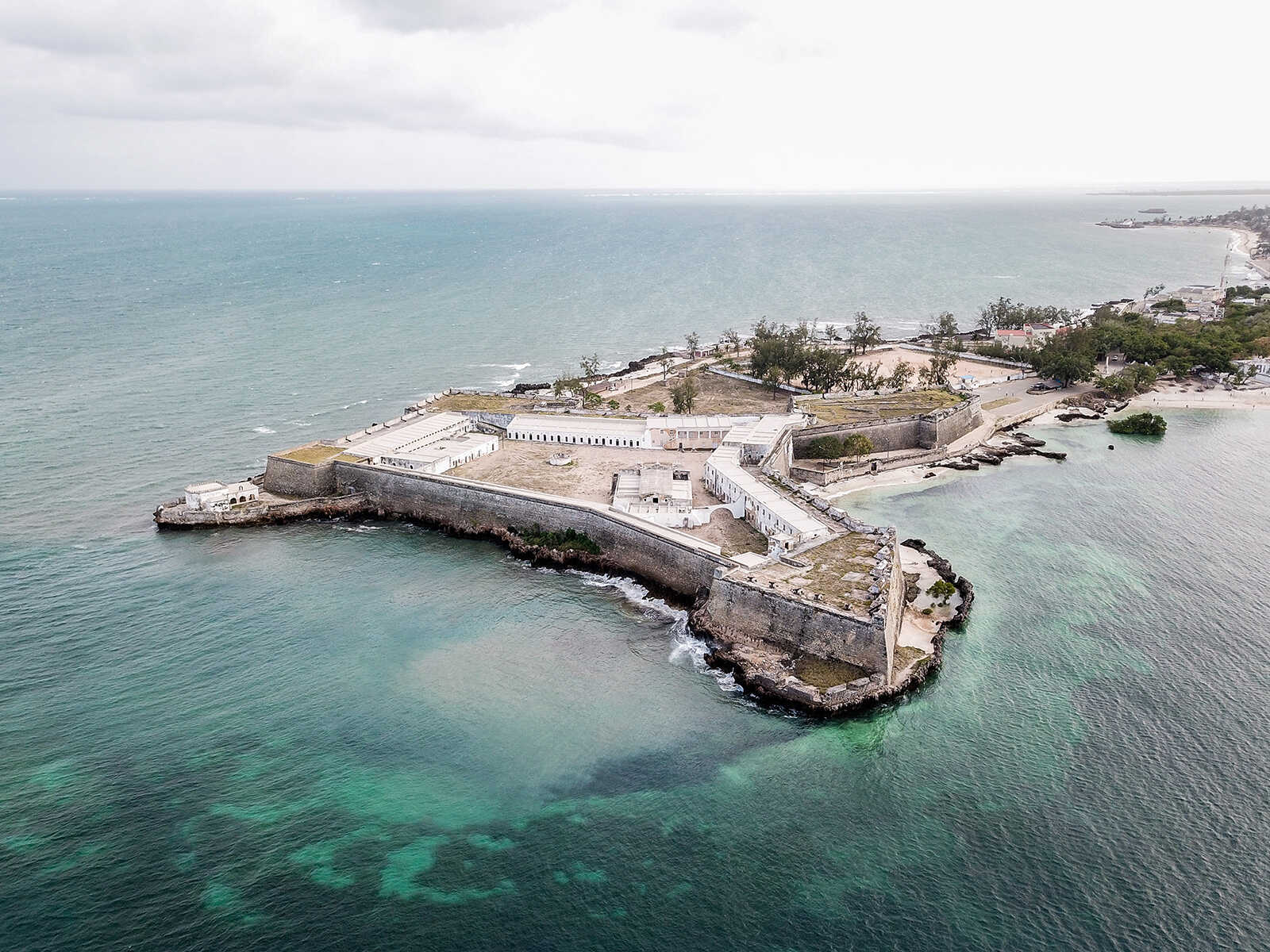
A UNESCO World Heritage site, the Island of Mozambique is a small, historic island city that served as a major Portuguese trading post for centuries. Connected to the mainland by a long bridge, this island offers a fascinating journey back in time. Wander through Stone Town with its grand colonial architecture, including the Chapel of Nossa Senhora de Baluarte, the oldest European building in the Southern Hemisphere, and the Palace of São Paulo. Contrast this with the vibrant, bustling Macuti Town, where local life unfolds amidst traditional huts. The island is a living museum, where history is not just preserved but actively lived, offering unique insights into Mozambique's multicultural past.
Adventures in the Wild Interior
Beyond the coast, Mozambique's interior reveals a landscape of dramatic beauty and remarkable conservation success stories, inviting explorers to connect with nature on a profound level.
Gorongosa National Park: A Phoenix Risen
Once nearly decimated by civil war,Gorongosa National Park stands as one of Africa's greatest conservation triumphs. Located at the southern end of the Great Rift Valley, its diverse habitats – from floodplains and grasslands to miombo woodlands and rainforests – support an incredible array of wildlife. Here, you can encounter elephants, lions, zebras, and a spectacular variety of birds. What makes Gorongosa unique is its approach to conservation, integrating local communities and scientific research. Experiences include traditional game drives, but also walking safaris and boat trips, offering a more intimate connection with the park's thriving ecosystem. It's not just a safari; it's an inspiring story of restoration.
Fun Fact:Gorongosa National Park is often referred to as "the place where Noah left his Ark" due to its incredible biodiversity and unique geological features.
Southern Charms and Marine Wonders
The southern coast of Mozambique offers a blend of vibrant marine ecosystems and laid-back island life, perfect for underwater exploration and cultural exchange.
Unveiling the Bazaruto Archipelago's Secrets
The Bazaruto Archipelago National Marine Park is a pristine collection of six islands, renowned for its dazzling coral reefs, diverse marine life, and towering sand dunes. It's one of the last remaining strongholds for the elusive dugong in the region. Diving and snorkeling here are world-class, offering encounters with manta rays, whale sharks, and a kaleidoscope of reef fish. Beyond the aquatic adventures, visitors can explore deserted beaches, climb colossal dunes for panoramic views, or experience traditional fishing with local communities. The islands offer a tranquil escape, where the rhythm of the ocean dictates the day.
Inhaca Island: A Close-Knit Community and Marine Life
Just a short boat ride from Maputo,Inhaca Island offers a refreshing contrast to the bustling capital. This tranquil island is a marine reserve, home to a rich variety of corals and fish, making it ideal for snorkeling and diving, particularly around the lighthouse and Portuguese Island. What sets Inhaca apart is its genuine local atmosphere; it's a place where you can stroll through the main village, interact with friendly residents, and enjoy fresh seafood directly from the fishermen. The island also hosts a marine biology research station, adding an educational dimension to its natural beauty. It's an accessible slice of Mozambican island life that often gets overlooked.
Cultural Immersion and Local Encounters
To truly understand Mozambique, one must embrace its vibrant culture, from its architectural heritage to its delicious cuisine and welcoming people.
Exploring Maputo's Architectural Heritage and Urban Pulse
While many travelers head straight for the coast, Mozambique's capital, Maputo, offers a captivating urban experience. Beyond the well-known landmarks, delve into its rich architectural tapestry, a fascinating blend of Art Deco, colonial Portuguese, and socialist-era designs. Explore the central market, a sensory explosion of colors, sounds, and aromas, or wander through neighborhoods to admire the city's unique buildings. While iconic structures like the Casa de Ferro(Iron House) are notable, the true pulse of Maputo is found in its lively streets, vibrant music scene, and bustling cafes where locals gather. Engage with street vendors, sample local snacks, and absorb the city's dynamic energy.
Embracing Local Cuisine and Traditions
Mozambican cuisine is a delicious fusion of African, Portuguese, Arab, and Indian influences. Beyond the ubiquitous peri-peri chicken and fresh seafood, seek out local dishes likematapa(cassava leaves cooked in peanut sauce with seafood) orbadjia(fried bean cakes). Engage in a cooking class to learn the secrets of these flavors. Beyond food, seek out opportunities to experience local music and dance, which are integral to Mozambican culture. Attending a traditional performance or simply observing community life can offer profound insights into the country's spirit.
Practical Tips for Your Unique Mozambican Journey
To ensure a smooth and enriching adventure, consider these practical aspects for your trip beyond the typical tourist spots.
- Best Time to Visit:The dry season (May to November) offers the most pleasant weather for exploring, with clear skies and cooler temperatures, especially ideal for safaris and marine activities.
- Transportation:Internal flights connect major cities and some remote areas. For more off-the-beaten-path destinations, 4x4 vehicles are often necessary, and traditional dhows are a charming way to navigate coastal waters and islands.
- Cultural Sensitivity:Mozambique is a welcoming country. Learning a few basic Portuguese phrases, dressing modestly in rural areas, and asking permission before taking photos can greatly enhance your interactions with locals.
- Health and Safety:Consult your doctor regarding vaccinations and malaria prophylaxis. Stay hydrated, use sun protection, and be mindful of your belongings, especially in urban areas.
Conclusion
Mozambique is a destination that rewards the adventurous spirit. By venturing beyond its well-known coastal resorts, you unlock a world of pristine natural beauty, rich history, and vibrant cultures. From the remote archipelagos of the north to the rewilded plains of Gorongosa and the lively streets of Maputo, these unique experiences promise a journey that is not just a vacation, but a profound exploration of one of Africa's most captivating countries. Embrace the unexpected, and let Mozambique reveal its true, extraordinary self.