
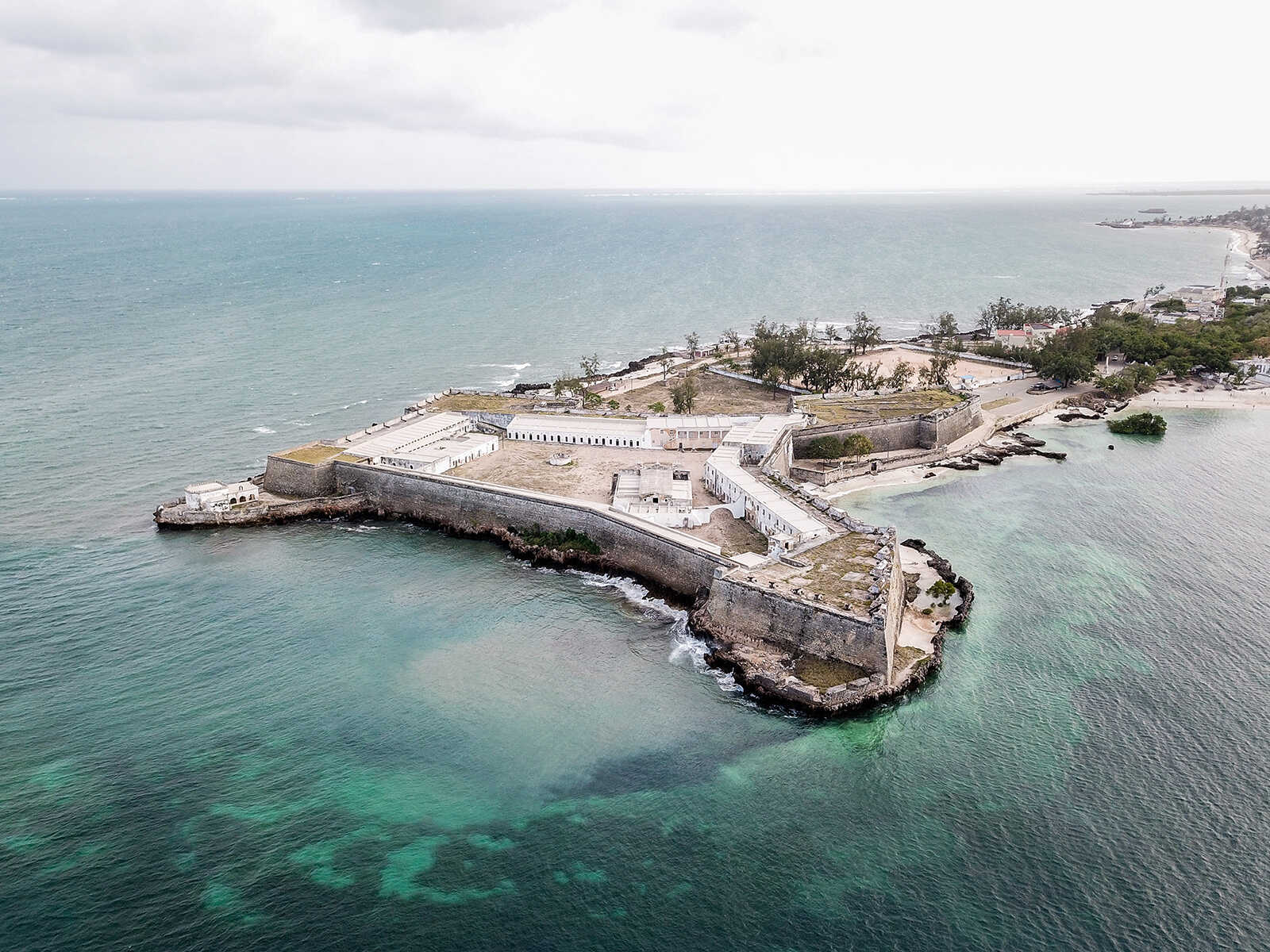
Uncovering the Treasures of the Island of Mozambique (UNESCO Site)
Steeped in centuries of history and captivating culture, the Island of Mozambique stands as a testament to early maritime trade and colonial influence. This tiny coral island, a UNESCO World Heritage site, offers a unique window into a bygone era, where Swahili, Arab, and European cultures converged.
A mere three kilometers long, connected to the mainland by a narrow bridge, the Island of Mozambique, orIlha de Moçambiqueas it's known locally, is an essential stop for any traveler seeking to immerse themselves in authentic Mozambican heritage. Its strategic location made it a crucial stop on the trade routes between Africa, Arabia, and India, leaving behind a rich tapestry of architectural wonders and fascinating stories.
A Journey Through Time: Stone Town and Macuti Town
The island is distinctly divided into two parts: the northern "Stone Town" (Cidade de Pedra) and the southern "Macuti Town" (Cidade de Macuti). Stone Town, with its grand colonial buildings, fortresses, and churches, showcases the island's European past, primarily Portuguese. Here, you'll wander through narrow cobbled streets, marveling at the coral-stone architecture that has withstood centuries of sea breezes and historical shifts.
In stark contrast, Macuti Town buzzes with local life. Named for the woven palm-frond roofs of its traditional houses, this part of the island is home to the majority of the local population. It’s a vibrant area where fishermen mend their nets, women sell fresh produce in bustling markets, and children play in the dusty alleys. Exploring both towns offers a complete picture of the island's enduring character.
Iconic Landmarks and Must-See Sights
The Fortress of São Sebastião
Dominating the northern tip of the island, the majestic Fortress of São Sebastião is one of the oldest and most impressive complete forts in sub-Saharan Africa. Built by the Portuguese in the 16th century, its massive walls and bastions tell tales of defense against rival European powers and local resistance. A walk along its ramparts offers breathtaking panoramic views of the ocean and the entire island, providing excellent photo opportunities.
Did you know?Inside the Fortress of São Sebastião, you'll find the Chapel of Nossa Senhora de Baluarte, built in 1522. It holds the distinction of being the oldest surviving European building in the Southern Hemisphere, a remarkable feat of early colonial construction.
The Palace of São Paulo (Museum)
Once the Governor's Palace and later a bishop's residence, the Palace of São Paulo is now a fascinating museum. It provides an intimate look into the opulent lifestyle of the colonial elite, with beautifully preserved furniture, artwork, and artifacts from the 17th to 19th centuries. The museum's collection offers valuable insights into the social history and administration of the Portuguese colony.
The Museum of Sacred Art
Housed in the former hospital of the Holy House of Mercy, this museum displays a collection of religious artifacts, including statues, paintings, and vestments. It reflects the strong Catholic influence on the island's history and offers a serene space for contemplation.
The Living History of Macuti Town
Beyond the grand colonial structures, the true heart of the island beats in Macuti Town. Here, you can witness daily life unfold: fishermen returning with their catch, artisans crafting dhows, and the lively chatter of the market. It’s an immersive experience, offering a glimpse into the resilient spirit and vibrant culture of the local community. Don't miss the opportunity to wander through its narrow streets, interact with locals, and perhaps even try some fresh, locally prepared snacks.
Immersive Experiences and Local Flavors
Dhow Trips and Ocean Adventures
No visit to the Island of Mozambique is complete without experiencing a traditional dhow trip. These graceful wooden sailing boats have plied the waters of the Indian Ocean for centuries. Take a sunset cruise for unforgettable views, or arrange a day trip to explore nearby deserted islands, snorkel in pristine waters, or simply enjoy the tranquility of the open sea. While not as focused on large marine life as the Bazaruto Archipelago National Marine Park or the remote beauty of Ilha Vamizi, the local dhow trips offer a unique cultural connection to the island's maritime heritage.
Savoring Mozambican Cuisine
The island's culinary scene is a delicious fusion of African, Arab, Indian, and Portuguese influences. Fresh seafood is paramount, with grilled fish, prawns, and lobster readily available. Be sure to try local specialties such asMatapa(cassava leaf stew with ground peanuts and coconut milk) andPiri-Pirichicken. The local markets are fantastic for fresh produce and spices, offering an authentic taste of Mozambican flavors.
Planning Your Visit to the Island of Mozambique
Getting There
The most common way to reach the Island of Mozambique is by flying into Nampula International Airport (APL) on the mainland. From Nampula, it's approximately a 2.5 to 3-hour road transfer to the island via the bridge. Local transport, including shared taxis or private transfers, can be arranged.
Accommodation
The island offers a range of accommodation options, primarily charming guesthouses and small hotels housed in restored colonial buildings. These often provide a unique blend of historical ambiance and modern comfort. Booking in advance, especially during peak season, is highly recommended.
Best Time to Visit
Mozambique generally experiences a dry season from May to November, which is often considered the best time to visit the island. The weather is pleasant, with clear skies and less humidity, making it ideal for exploring on foot and enjoying outdoor activities. The wet season (December to April) can bring higher temperatures and humidity, though rainfall is often in short, intense bursts.
Getting Around the Island
The island is small and best explored on foot. Its compact size means you can easily walk between most attractions in Stone Town. For longer distances or when carrying luggage, local tuk-tuks (rickshaws) are readily available and an economical way to get around.
Respecting Local Culture
The Island of Mozambique is a vibrant, living community. When visiting, it's always appreciated to dress modestly, especially when entering religious sites or interacting with locals in Macuti Town. A friendly "Olá" (hello) or "Obrigado/a" (thank you) goes a long way in fostering positive interactions.
Beyond the Island: Exploring Mozambique's Diverse Offerings
While the Island of Mozambique offers a profound historical and cultural experience, Mozambique itself is a country of incredible diversity. From the pristine beaches and rich marine life of the Quirimbas Islands in the north to the iconic wildlife safaris of Gorongosa National Park inland, and the vibrant capital of Maputo with its unique architecture like Casa de Ferro, there's a wealth of experiences awaiting the adventurous traveler. The island serves as a perfect starting point for understanding the country's layered past before venturing into its natural wonders.
The Island of Mozambique is more than just a historical site; it's a living museum, a cultural crossroads where every stone tells a story. Its timeless beauty, warm hospitality, and rich heritage promise an unforgettable journey into the heart of Mozambique's past.