
Top Things to Do on the Island of Mozambique: UNESCO Heritage Site
Steeped in centuries of history and captivating culture, the Island of Mozambique is a truly unique destination. This UNESCO World Heritage site, once a pivotal Portuguese trading post, offers visitors an unparalleled journey through time, blending African, Arab, and European influences into a vibrant tapestry.
A Glimpse into History: Why Visit the Island of Mozambique?
Connected to the mainland by a narrow, three-kilometer bridge, the Island of Mozambique served as the capital of Portuguese East Africa for nearly four centuries. Its strategic location made it a crucial port on the trade routes between Europe, Africa, and Asia, facilitating the exchange of spices, gold, and enslaved people. Today, its well-preserved architecture, ancient forts, and bustling local life tell stories of a bygone era, making it a living museum that fascinates historians and casual travelers alike.
Explore the Stone Town: A UNESCO Treasure
The northern part of the island, known as Stone Town, is where most of the historical marvels are concentrated. Walking through its narrow, cobbled streets feels like stepping back in time, with every turn revealing architectural gems.
Wander the Colonial Streets
Lose yourself in the labyrinthine alleys, admiring the grand colonial buildings, many of which are still inhabited. The distinct architecture, characterized by thick stone walls, ornate balconies, and vibrant shutters, reflects centuries of Portuguese influence interwoven with local styles. Pay attention to the intricate details that speak volumes about the island's past prosperity.
Visit the Chapel of Nossa Senhora de Baluarte
Perched on the northern tip of the island, this small chapel, built in 1522, holds the distinction of being the oldest surviving European building in the Southern Hemisphere. Its simple yet profound presence offers a moment of reflection and a tangible link to the earliest European presence in the region.
Discover the Local Market
Immerse yourself in the vibrant daily life of the islanders at the bustling local market. Here, you can find everything from fresh seafood and local produce to colorful fabrics and handcrafted souvenirs. It’s a sensory experience, full of sights, sounds, and the inviting aromas of Mozambican spices.
Uncover the Secrets of Fort São Sebastião
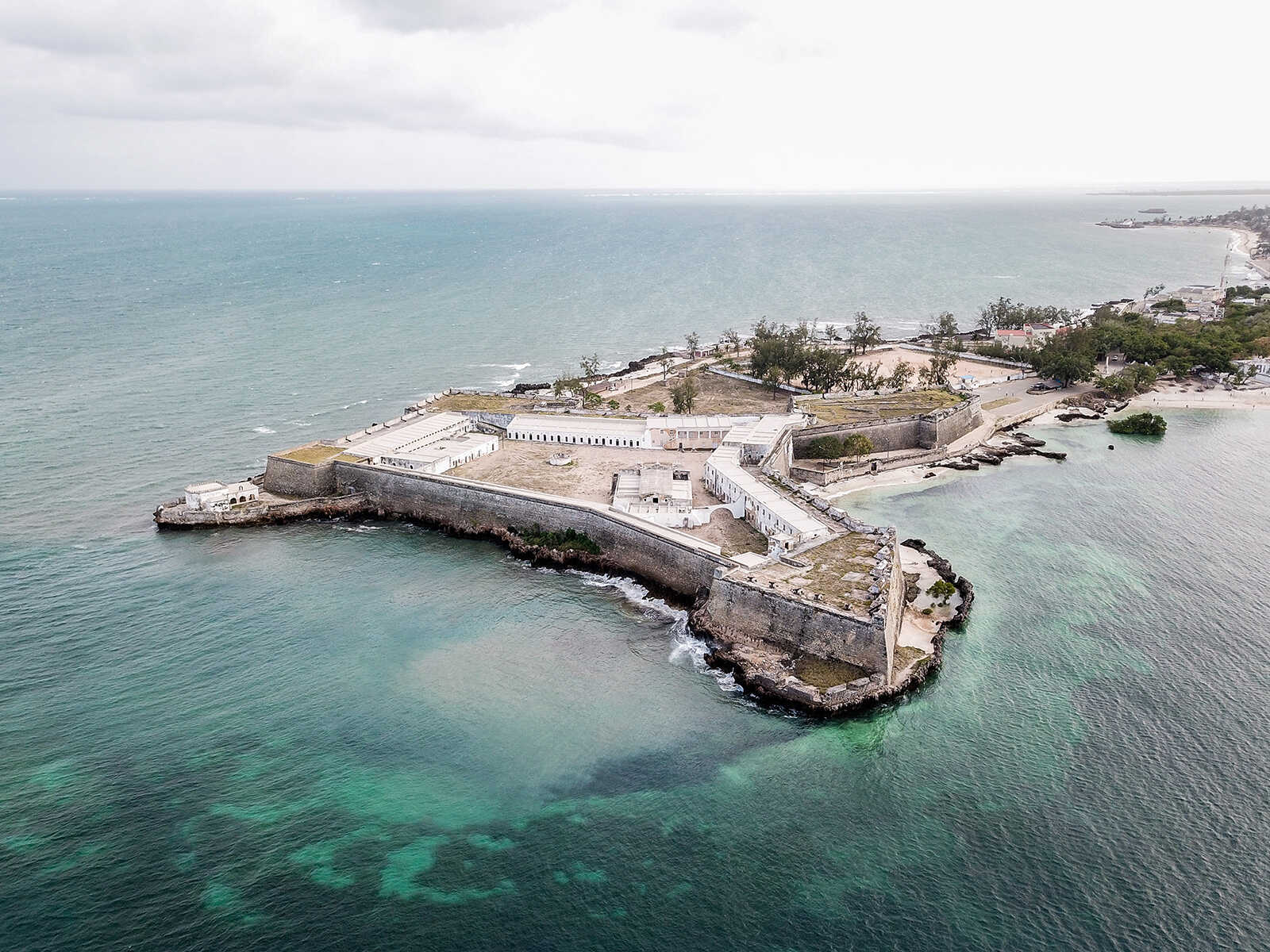
Dominating the northern end of Stone Town, the imposing Fort São Sebastião is one of the island's most iconic landmarks and the oldest complete fort still standing in sub-Saharan Africa. Built by the Portuguese in the 16th century, it was designed to protect the strategic trading port.
Spend hours exploring its vast ramparts, bastions, and inner courtyards. From its walls, you’ll be treated to panoramic views of the island, the surrounding ocean, and the mainland. Within the fort’s complex, you’ll also find the:
- Palace and Chapel of São Paulo:Though partially in ruins, these offer a glimpse into the life of the fort's commanders.
- Cistern of the King (Cisterna dos Mouros):An impressive underground water reservoir, vital for the fort's inhabitants during sieges.
Did you know?The Island of Mozambique was besieged by the Dutch in 1607 and 1608, but the Portuguese managed to hold their ground, largely due to the formidable defenses of Fort São Sebastião.
Step Back in Time at the Palace and Chapel of São Paulo (Museum of Marine History)
Once the Governor's Palace, this beautifully restored building now houses the Museum of Marine History, offering a fascinating insight into the island's colonial past and maritime heritage. Inside, you can admire period furniture, porcelain, paintings, and religious art, many of which were left behind by former governors.
The museum provides a compelling narrative of the island's role as a Portuguese stronghold and its connections to global trade routes. The adjacent Chapel of São Paulo, also part of the complex, is equally well-preserved and offers another quiet space for historical contemplation.
Experience the Authentic Makuti Town
In stark contrast to the stone and mortar of the colonial town, the southern part of the island is home to Makuti Town, named after the traditional thatched roofs (makuti) of its houses. This vibrant, bustling area is where the majority of the island's local population resides, offering a glimpse into contemporary Mozambican life.
Stroll through its lively streets, observe daily routines, and interact with friendly locals. Here, you'll find smaller, informal markets, local eateries, and a more authentic, less tourist-centric atmosphere. It’s a wonderful place to connect with the genuine spirit of the Island of Mozambique.
Savor Local Flavors and Culture
No visit to the Island of Mozambique is complete without indulging in its rich culinary traditions and vibrant cultural expressions.
Delight in Mozambican Cuisine
Being an island, fresh seafood is a staple. Expect delicious grilled fish, prawns, and lobster, often prepared with coconut milk, peri-peri, and local spices. Don't miss sampling traditional dishes likematapa(cassava leaves cooked with groundnuts and coconut milk) or chickencafreal(spicy grilled chicken). The island's culinary scene is a fusion of Portuguese, African, and Indian influences.
Discover Local Crafts and Art
The island is a hub for local artisans. Look out for intricate wood carvings, particularly those by the Makonde people, colorful textiles, and unique shell crafts. These make for meaningful souvenirs and support local communities.
Island Hopping and Water Activities
While the island itself offers a wealth of exploration, the surrounding waters beckon with opportunities for adventure.
Dhow Safaris
Embark on a traditional dhow boat trip to explore the immediate archipelago. These handcrafted sailing vessels offer a serene way to experience the coastline, visit nearby uninhabited islands for picnics, or simply enjoy a breathtaking sunset over the Indian Ocean. Some tours might even take you to sandbanks perfect for snorkeling.
Snorkeling and Diving
The waters around the Island of Mozambique offer decent opportunities for snorkeling and diving, especially for those interested in historical wrecks and diverse marine life. While not as renowned as the Bazaruto Archipelago National Marine Park or the Quirimbas Islands, the local reefs hold their own charm and are less frequented, offering a more intimate experience.
Practical Tips for Your Visit
- Getting There:The island is connected to the mainland by a bridge. The closest major airport is Nacala (MNC), from which you can arrange a transfer. Some travelers also fly into Nampula (APL) and take a longer road transfer.
- Accommodation:You'll find a range of guesthouses and boutique hotels, many housed in beautifully restored colonial buildings within Stone Town, offering an authentic experience.
- Best Time to Visit:The dry season, from May to November, offers pleasant weather with less humidity and rainfall, making it ideal for exploring.
- Getting Around:The island is small and best explored on foot. Taxis and tuk-tuks (bajaj) are available for longer distances or when carrying luggage.
- Respect Local Customs:Mozambique is a conservative country. Dress modestly, especially when visiting religious sites, and always ask for permission before taking photos of people.
The Island of Mozambique is more than just a destination; it's an experience that transports you through centuries of history, culture, and natural beauty. Prepare to be enchanted by its timeless charm and the warm hospitality of its people.