
The History of Mozambique: An Overview for Visitors
Mozambique, a captivating nation on Africa's southeastern coast, boasts a history as vibrant and diverse as its landscapes. From ancient trade empires to colonial struggles and a resilient path to peace, understanding Mozambique's past enriches any visit, revealing the layers that shaped its unique culture and spirit.
Ancient Roots and Swahili Trade Empires
Long before European explorers sighted its shores, Mozambique was home to various indigenous groups, including the San and Khoisan hunter-gatherers. Around the 1st to 4th centuries AD, Bantu-speaking peoples migrated from the north, bringing with them agriculture, ironworking, and more complex social structures. By the 8th century, Arab traders began establishing a significant presence along the coast, integrating Mozambique into a flourishing Indian Ocean trade network.
These maritime routes connected East Africa with the Middle East, India, and even China, with bustling port cities like Sofala, Angoche, and what would become the Island of Mozambique, serving as vital hubs. Gold, ivory, rhinoceros horn, and timber were exchanged for textiles, beads, and ceramics. The Swahili culture, a blend of Bantu and Arab influences, flourished, leaving an indelible mark on the coastal communities.
Fun Fact:The gold trade from the Kingdom of Mutapa, located inland, was a primary driver for the wealth of coastal Swahili cities, drawing merchants from across the Indian Ocean.
Vasco da Gama and the Dawn of European Influence
The serenity of these established trade networks was dramatically altered with the arrival of European explorers. In 1498, Portuguese navigator Vasco da Gama became the first European to reach Mozambique's shores, anchoring near what is now the Island of Mozambique. His voyage marked the beginning of a new era, as Portugal sought to control the lucrative Indian Ocean spice trade, challenging the existing Arab dominance.
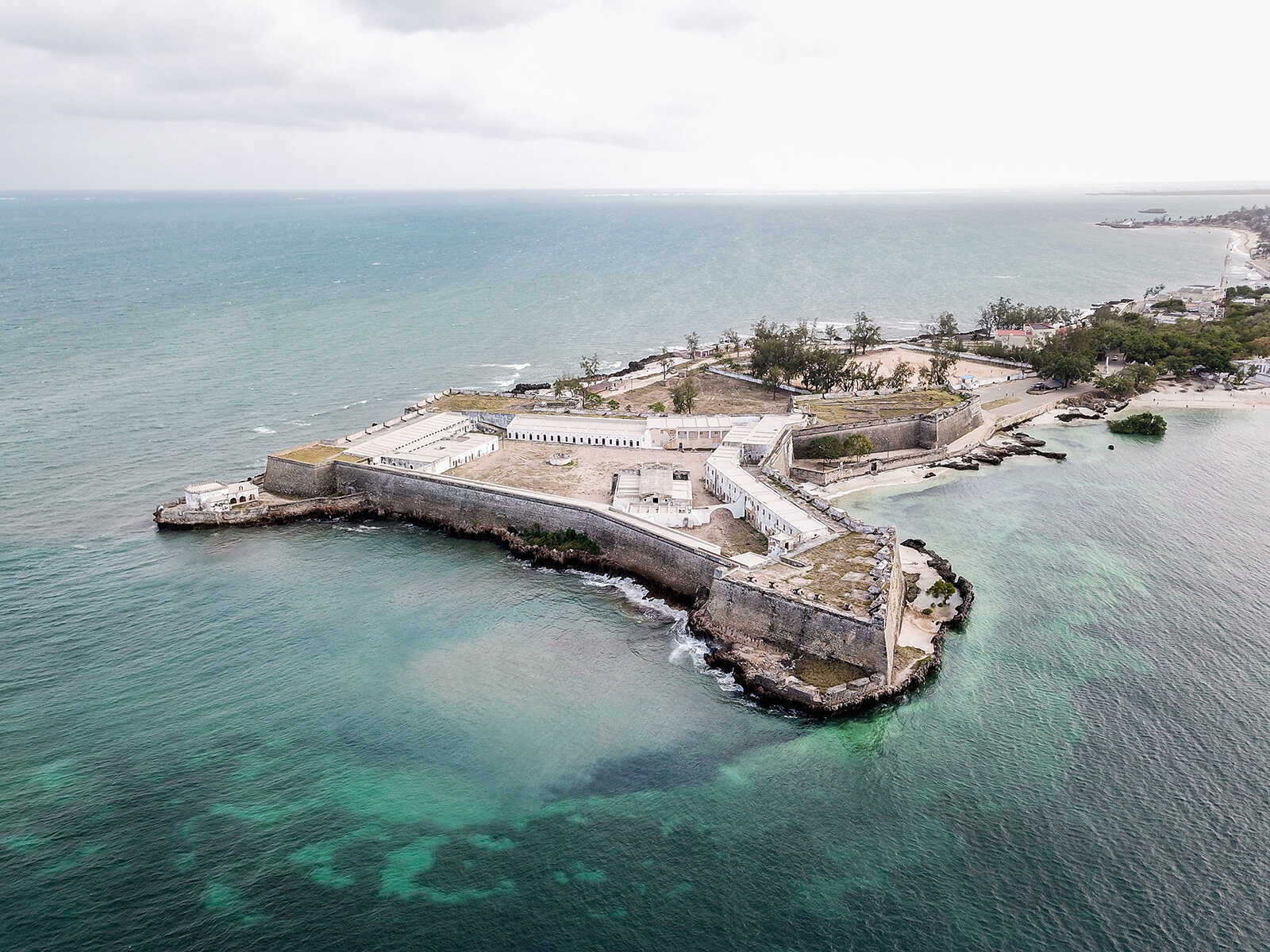
Over the next centuries, the Portuguese gradually established a chain of trading posts, forts, and settlements along the coast, including Fort São Sebastião on the Island of Mozambique, which served as the capital of Portuguese East Africa for nearly four centuries. Their initial focus was on securing the gold trade, but as it waned, the focus shifted to ivory and, tragically, the transatlantic slave trade, which profoundly impacted the region's demographics and social structures.
Centuries of Colonial Administration and Exploitation
Portuguese colonial rule in Mozambique was characterized by a long period of slow consolidation, often met with fierce resistance from local kingdoms. It wasn't until the "Scramble for Africa" in the late 19th century that Portugal intensified its efforts to formally delineate and administer its Mozambican territory, often resorting to brutal military campaigns to subjugate inland populations.
The colonial administration implemented a system known asprazos da coroaalong the Zambezi River, granting vast land concessions to Portuguese settlers who often ruled with near-feudal authority. Later, large concessionary companies, such as the Mozambique Company, were granted vast areas to exploit resources and administer populations, essentially operating as states within a state. Infrastructure, primarily railways and ports (like Maputo, then Lourenço Marques), was developed to facilitate the export of raw materials and serve as a transit point for neighboring landlocked territories, often built with forced labor.
Throughout the 20th century, Mozambique became a supplier of cheap labor for South African mines and Rhodesian farms, further entrenching a system of economic exploitation and social discrimination against the African majority. Education and healthcare for indigenous populations were severely neglected, fueling a growing sense of injustice and igniting the embers of nationalism.
The Rise of Nationalism and the Road to Freedom
By the mid-20th century, nationalist sentiments grew stronger across Africa, and Mozambique was no exception. Influenced by independence movements elsewhere, various anti-colonial groups emerged. In 1962, several of these groups united to form the Frente de Libertação de Moçambique (FRELIMO) in Tanzania, led by Eduardo Mondlane.
FRELIMO launched an armed struggle against Portuguese rule in September 1964, initiating a decade-long guerrilla war. Despite setbacks, including the assassination of Mondlane in 1969, FRELIMO gained increasing control over rural areas. The conflict, coupled with mounting international pressure and a changing political landscape in Portugal itself, eventually led to the end of colonial rule. The Carnation Revolution in Portugal in April 1974 overthrew the authoritarian Estado Novo regime, paving the way for the rapid decolonization of its African territories.
On June 25, 1975, Mozambique proudly declared its independence, with Samora Machel as its first president. The new FRELIMO government adopted a Marxist-Leninist ideology, aiming to build a socialist society and dismantle the legacy of colonial exploitation.
A Devastating Civil War and the Path to Peace
The euphoria of independence was tragically short-lived. The FRELIMO government's socialist policies, including nationalization and collectivization, combined with its support for liberation movements in Rhodesia (Zimbabwe) and apartheid South Africa, led to severe internal and external pressures. South Africa and Rhodesia actively destabilized Mozambique, supporting an anti-communist rebel group known as RENAMO (Resistência Nacional Moçambicana).
Mozambique descended into a brutal civil war that lasted from 1977 to 1992. This conflict devastated the country's infrastructure, displaced millions, and led to immense human suffering. Both sides were accused of severe human rights abuses. The war crippled the economy, destroyed schools and health clinics, and profoundly impacted the nation's social fabric. Critical wildlife populations in areas like Gorongosa National Park also suffered immensely during this period.
After years of protracted conflict and the deaths of over a million people, a General Peace Accord was signed in Rome in October 1992, brokered by the UN and the Community of Sant'Egidio. This landmark agreement formally ended the civil war, ushering in an era of multi-party democracy and national reconstruction.
Rebuilding and Rediscovering Mozambique's Potential
Since the 1992 peace accord, Mozambique has embarked on a remarkable journey of recovery and development. The country transitioned to a multi-party democratic system, holding its first democratic elections in 1994. Economic reforms shifted away from socialism towards a market-based economy, attracting foreign investment, particularly in its rich natural resources such as coal and offshore natural gas fields.
Tourism has emerged as a vital sector, leveraging Mozambique's stunning coastline, diverse marine life, and unique cultural heritage. Areas like the pristine Bazaruto Archipelago National Marine Park, the remote Quirimbas Islands, and luxurious destinations such as Ilha Vamizi are now globally recognized for their breathtaking beauty and exceptional diving and snorkeling opportunities. Even historical sites like the Island of Mozambique, a UNESCO World Heritage site, draw visitors keen to explore its colonial past.
Significant efforts have also been made in conservation, with parks like Gorongosa National Park undergoing impressive rehabilitation, becoming a beacon of hope for wildlife and community development. While challenges remain, modern Mozambique is a nation looking forward, actively rebuilding its infrastructure, strengthening its institutions, and celebrating its rich cultural tapestry.
Experience the Layers of History
For visitors today, Mozambique offers more than just stunning beaches and vibrant marine life; it provides a profound journey through time. From the ancient trade routes that shaped its coastal cities to the architectural legacies of Portuguese rule, and the resilient spirit forged through conflict and peace, every corner of the country tells a story.
Exploring Mozambique allows you to witness the fascinating blend of African, Arab, and European influences that define its identity. Whether you're wandering the stone streets of Island of Mozambique, diving among the reefs of the Bazaruto Archipelago, or learning about conservation efforts in Gorongosa National Park, you're experiencing the living history of a truly remarkable nation. This deep historical context enriches every interaction and every scenic vista, making your trip unforgettable.