
Responsible Tourism in Mozambique: Ethical Travel Tips
Mozambique, with its pristine coastline, vibrant culture, and diverse wildlife, offers an unforgettable travel experience. To ensure this stunning destination remains beautiful for generations to come, embracing responsible tourism is paramount. This guide provides practical tips for ethical travel, allowing you to explore Mozambique while making a positive impact.
Why Responsible Tourism Matters in Mozambique
Mozambique is a country of immense natural beauty, from the coral reefs of its archipelagos to the recovering wildlife of its national parks. However, it also faces significant developmental and environmental challenges. Responsible tourism acts as a powerful tool for sustainable development, helping to protect its fragile ecosystems, empower local communities, and preserve its rich cultural heritage. By making conscious choices, travelers can contribute directly to the well-being of the places they visit.
Did you know?Mozambique boasts over 2,500 kilometers of coastline, making marine conservation efforts crucial for its biodiversity and local livelihoods.
Supporting Local Communities and Economies
One of the most direct ways to be a responsible traveler is to ensure your money benefits the local people and economy directly.
Choose Local Operators and Guides
Opt for tour operators, safari guides, and diving instructors who are locally owned and employ local staff. They often have deeper insights into the region, provide authentic experiences, and ensure that your money circulates within the community. This choice directly supports families and fosters local expertise.
Buy Local Crafts and Products
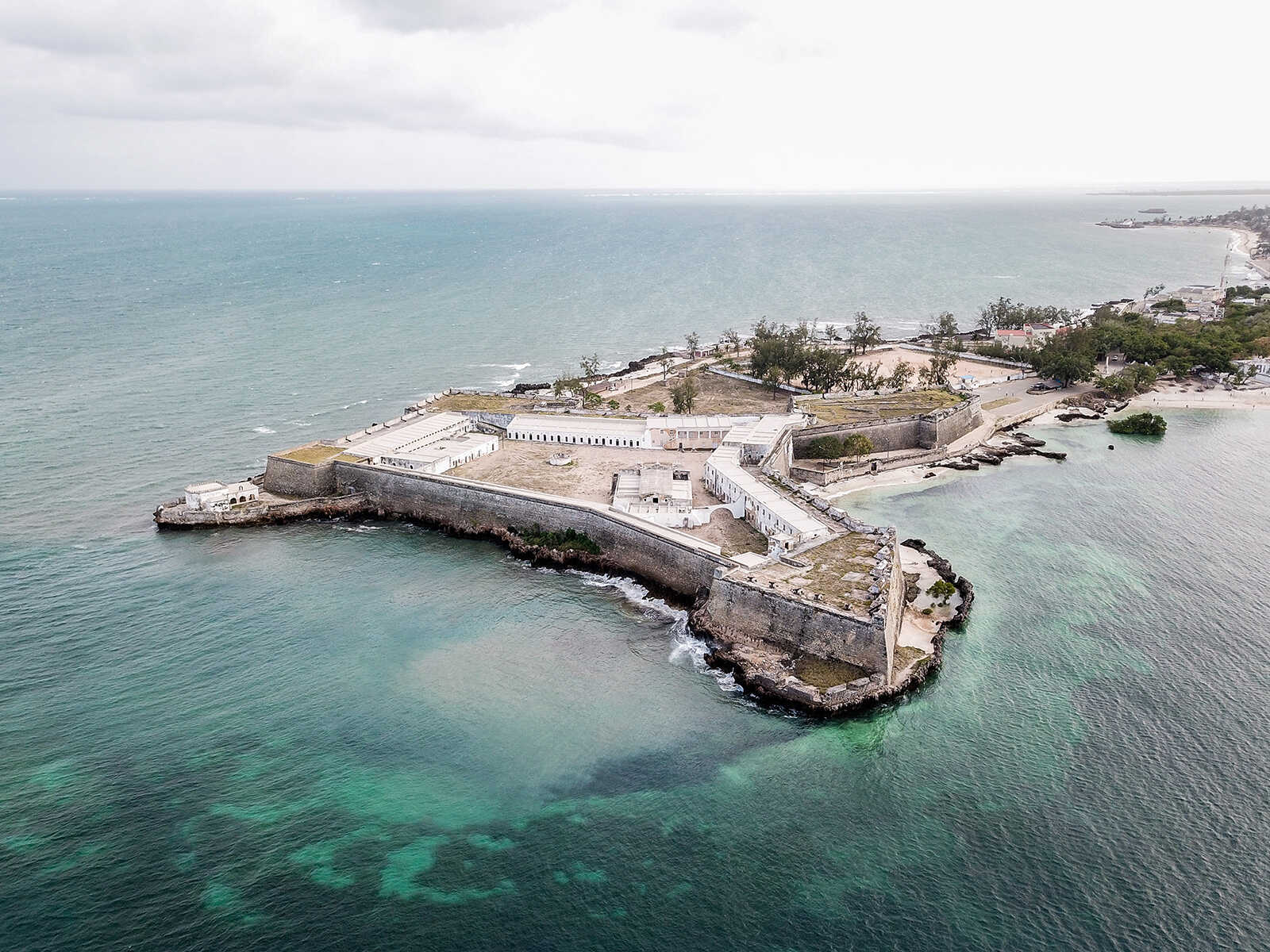
Seek out local markets and artisan cooperatives for souvenirs. Purchasing items like intricate wood carvings, vibrant capulanas (traditional cloths), or woven baskets directly supports local craftspeople and helps preserve traditional skills. Always haggle respectfully and fairly, but remember the value of their artistry. Consider visiting the historic Island of Mozambique, a UNESCO World Heritage site, where you can find unique crafts and learn about its rich trading history.
Eat Local
Savoring Mozambican cuisine is a highlight of any trip. Choose restaurants that source ingredients locally and frequent local markets for fresh produce. This not only introduces you to delicious dishes likeperi-perichicken and fresh seafood but also supports local farmers and fishermen. Try the local specialties – it’s an adventure for your taste buds and a boost for the economy!
Respect Local Culture and Traditions
Mozambique is a melting pot of cultures. Show respect by dressing modestly, especially when visiting religious sites or rural areas. Always ask for permission before taking photos of people. Learn a few basic Portuguese phrases (e.g.,Olá- Hello,Obrigado/a- Thank you) – it goes a long way in building connections and showing appreciation.
Protecting Mozambique's Natural Environment
Mozambique is home to incredible biodiversity, from vast terrestrial parks to vibrant marine ecosystems. Your actions can help preserve these natural treasures.
Minimize Your Environmental Footprint
- Reduce Waste:Carry a reusable water bottle and fill it up where possible. Say no to single-use plastics. Dispose of all waste responsibly; never litter.
- Conserve Resources:Be mindful of water and electricity usage in your accommodation, especially in regions where these resources are scarce.
- Reef-Safe Sunscreen:If you plan to swim, snorkel, or dive, use reef-safe sunscreen to protect delicate coral ecosystems.
Responsible Wildlife Encounters
When visiting natural areas like Gorongosa National Park or the Bazaruto Archipelago National Marine Park, always follow guide instructions. Maintain a respectful distance from wildlife, never feed animals, and avoid making loud noises. Choose operators who adhere to ethical wildlife viewing guidelines, prioritizing animal welfare over tourist spectacle.
Marine Conservation
Mozambique’s coastline, including areas like the Quirimbas Islands and Inhaca Island, boasts some of the most spectacular coral reefs and marine life in the world. When snorkeling or diving, avoid touching corals or marine creatures. Be careful not to stir up sediment. Support initiatives that work to protect these fragile ecosystems, particularly against plastic pollution and unsustainable fishing practices. Consider visiting pristine conservation areas like Ilha Vamizi, known for its commitment to marine protection.
Support Conservation Efforts
Choose accommodations and tour operators that actively contribute to conservation projects. Many lodges and resorts in sensitive areas partner with local organizations to protect wildlife or restore habitats. Ask about their sustainability practices before booking.
Ethical Interactions and Social Responsibility
Beyond environmental considerations, responsible tourism also involves respectful and ethical social interactions.
Be a Respectful Visitor
Engage with locals with an open mind and heart. Avoid behaviors that could be perceived as disrespectful or exploitative. When photographing people, always ask for permission first. If you want to give gifts, consider donating to local schools or community projects rather than giving directly to children, which can encourage begging.
Health and Safety
Prioritize your health and safety to avoid burdening local resources. Drink bottled or purified water, be cautious with street food, and take necessary health precautions suchases malaria prophylaxis if advised. Ensure you have comprehensive travel insurance.
Child Protection
Be aware of child protection issues. Avoid visiting orphanages or schools unless you are part of an organized, vetted program with a reputable organization. Unplanned visits can inadvertently contribute to child exploitation. Report any suspicious activities to local authorities or your tour operator.
Planning Your Responsible Trip to Mozambique
Preparation is key to a responsible and rewarding travel experience.
Research and Choose Ethically Minded Accommodations
Look for lodges and hotels that demonstrate a commitment to sustainability. This could include using renewable energy, implementing waste reduction programs, employing local staff, or supporting community initiatives. Many eco-lodges in Mozambique are leading the way in responsible tourism.
Pack Smart
Beyond your reusable water bottle, consider packing a reusable shopping bag to avoid plastic bags. Bring solid toiletries (shampoo bars, soap) to reduce plastic waste. Pack light to reduce your carbon footprint during transport.
Learn Basic Phrases
Even a few words of Portuguese can significantly enhance your interactions and show respect for the local culture. Download a translation app or carry a phrasebook.
Conclusion
Traveling responsibly in Mozambique is not just about minimizing negative impacts; it’s about actively contributing to a positive future for its people, culture, and environment. By making conscious choices, from supporting local businesses to protecting its pristine natural beauty, you can ensure your journey is not only memorable but also meaningful. Embrace the spirit of ethical travel, and let Mozambique enchant you responsibly.