
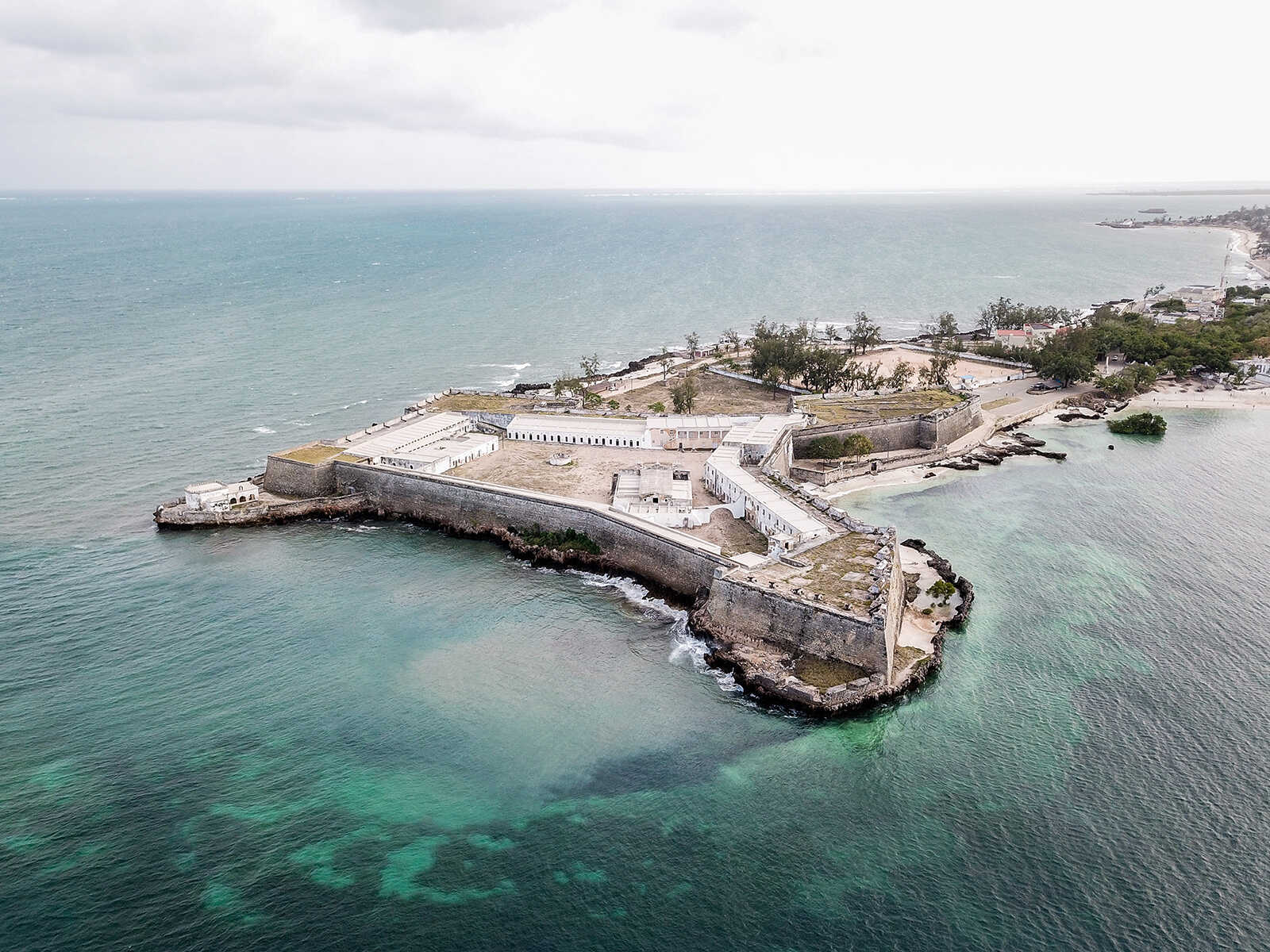
Mozambique Language Guide: Essential Portuguese Phrases for Travelers
Venturing into Mozambique promises an unforgettable journey filled with stunning coastlines, vibrant culture, and incredible wildlife. While English is spoken in some tourist areas, knowing a few Portuguese phrases will significantly enrich your experience, allowing for deeper connections and smoother travels.
Why Portuguese is Your Key to Mozambique
Portuguese stands as the official language of Mozambique, a legacy of its colonial past. While numerous indigenous languages like Makhuwa, Sena, and Tsonga thrive across different regions, Portuguese serves as the unifying tongue, particularly in urban centers and for official communication. Making an effort to speak even a few words of Portuguese will be met with warmth and appreciation by locals, opening doors to more authentic interactions.
Beyond "Olá": Basic Greetings and Introductions
First impressions matter, and a polite greeting in Portuguese goes a long way. These phrases are your starting point for any interaction.
- Olá(Oh-LAH): Hello
- Bom dia(BOHM DEE-ah): Good morning (until noon)
- Boa tarde(BOH-ah TAR-deh): Good afternoon (noon until sunset)
- Boa noite(BOH-ah NOY-teh): Good evening/night (sunset onwards)
- Como está?(KOH-moh es-TAH?): How are you? (formal)
- Tudo bem?(TOO-doo BAYN?): How are you? / All good? (informal, common)
- Estou bem, obrigado/a(es-TOH BAYN, oh-bree-GAH-doo/dah): I'm fine, thank you (masculine/feminine)
- Por favor(por fah-VOHR): Please
- Obrigado/a(oh-bree-GAH-doo/dah): Thank you (masculine/feminine)
- De nada(dee NAH-dah): You're welcome
- Sim(SING): Yes
- Não(NOWNG): No
- Desculpe(desh-KOOL-peh): Excuse me / Sorry
- Com licença(kong lee-SEN-sah): Excuse me (to pass by)
Travel Tip:When using "obrigado/a", remember to use the feminine form "obrigada" if you identify as female, and "obrigado" if you identify as male. This small detail shows respect for the language.
Getting Around: Navigation and Transport Phrases
Whether you're exploring the historic streets of the Island of Mozambique or planning a trip to the remote Quirimbas Islands, understanding basic directions is crucial.
- Onde é o/a...?(OHN-deh eh oo/ah...?): Where is the...?
- Estou perdido/a(es-TOH per-DEE-doo/dah): I am lost (masculine/feminine)
- Pode ajudar-me?(POH-deh ah-joo-DAR-meh?): Can you help me?
- Táxi(TAH-ksee): Taxi
- Autocarro(ow-toh-CAH-rroh): Bus (also 'machibombo' locally)
- Paragem de autocarro(pah-RAH-zheng dee ow-toh-CAH-rroh): Bus stop
- Para a direita(PAH-rah ah dee-REY-tah): To the right
- Para a esquerda(PAH-rah ah es-KER-dah): To the left
- Em frente(eng FREN-teh): Straight ahead
- Perto(PER-too): Near
- Longe(LON-zheh): Far
- Aeroporto(eh-roh-POR-too): Airport
Dining and Shopping: Essential Phrases for Everyday Transactions
From haggling in local markets to ordering fresh seafood along the coast, these phrases will enhance your daily interactions, whether you're near Inhaca Island or inland enjoying local cuisine.
At the Restaurant/Café:
- A ementa, por favor(ah ee-MEN-tah, por fah-VOHR): The menu, please
- Eu gostaria de...(ew goos-tah-REE-ah dee...): I would like...
- Sem carne(sayng KAR-neh): Without meat
- Vegetariano/a(veh-zheh-tah-ree-AH-noh/nah): Vegetarian (masculine/feminine)
- Uma cerveja, por favor(OO-mah ser-VEH-zhah, por fah-VOHR): A beer, please
- Água sem gás / com gás(AH-gwah sayng GAHZ / kong GAHZ): Still water / sparkling water
- Delicioso!(deh-lee-see-OH-zoo!): Delicious!
- A conta, por favor(ah KOHN-tah, por fah-VOHR): The bill, please
For Shopping:
- Quanto custa?(KWAN-too KOOS-tah?): How much does it cost?
- É caro / barato(eh KAH-roo / bah-RAH-too): It's expensive / cheap
- Pode fazer um desconto?(POH-deh fah-ZER oong desh-KOHN-too?): Can you give a discount?
- Eu quero comprar...(ew KEH-roo kom-PRAR...): I want to buy...
- Mercado(mer-KAH-doo): Market
Numbers (Números):
Knowing your numbers is vital for prices, times, and quantities.
- Um/Uma(oong/oo-mah)
- Dois/Duas(doyzh/doo-ash)
- Três(trehsh)
- Quatro(KWAH-troo)
- Cinco(SEENG-koo)
- Dez(dehzh)
- Vinte(VEEN-tee)
- Cem(sayng)
Emergencies and Asking for Help
While we hope your trip is smooth, it's always wise to be prepared for unexpected situations. These phrases can be lifesavers.
- Socorro!(soh-KOH-rroo!): Help!
- Preciso de um médico(pre-SEE-zoo dee oong MEH-dee-koo): I need a doctor
- Hospital(ohs-pee-TAHL): Hospital
- Farmácia(far-MAH-see-ah): Pharmacy
- Perdi o meu passaporte(per-DEE oo mew pah-sah-POR-teh): I lost my passport
- Chame a polícia(SHAH-meh ah poh-LEE-see-ah): Call the police
- Não me sinto bem(nowng mee SEEN-too bayn): I don't feel well
Useful Words and Phrases for Travelers
These general phrases will fill in the gaps and help you communicate more effectively in a variety of situations, whether you're admiring the architecture of the Casa de Ferro or spotting wildlife in Gorongosa National Park.
- Não percebo(nowng per-SEH-boo): I don't understand
- Pode repetir, por favor?(POH-deh reh-peh-TEER, por fah-VOHR?): Can you repeat, please?
- Fala inglês?(FAH-lah eeng-GLEHSH?): Do you speak English?
- Bom(bong): Good
- Mau(mow): Bad
- Bonito/a(boh-NEE-too/tah): Beautiful (masculine/feminine)
- Pequeno/a(peh-KEH-noh/nah): Small (masculine/feminine)
- Grande(GRAN-deh): Big
- Quente(KEN-tee): Hot
- Frio(FREE-oh): Cold
Fun Fact:Many Mozambican Portuguese words have distinct local variations or influences from indigenous languages. For example, a common informal greeting you might hear is "Mabisa!" which is a local borrowing, meaning "How are you?" or "Hello!"
Beyond the Phrases: Cultural Tips for Communication
Language is more than just words; it's also about cultural understanding. In Mozambique, a few non-verbal cues and attitudes can enhance your interactions.
- Smile and be patient:A genuine smile is universally understood. Mozambicans are generally very friendly and patient.
- Hand gestures:Be observant of local hand gestures, but generally, pointing with an open hand is polite.
- Respect local customs:Dress modestly, especially in rural areas or when visiting religious sites.
- Effort is appreciated:Don't be afraid to try out your Portuguese, even if it's imperfect. The effort itself is often more important than flawless pronunciation.
Embracing the Local Experience
Learning a few essential Portuguese phrases is not just about practical necessity; it's about opening yourself up to the heart of Mozambique. From sharing a laugh with a vendor in a bustling market to connecting with guides while exploring the pristine waters of the Bazaruto Archipelago National Marine Park or the exclusive shores of Ilha Vamizi, these linguistic tools will transform your journey. You'll find that locals are often delighted to help you practice, making your trip not just a holiday, but a truly enriching cultural exchange.
So, pack your bags, practice your "Olá," and get ready to discover the magic of Mozambique with confidence!