
Is Mozambique Worth Visiting? Unveiling Its Wonders
Mozambique, a captivating East African gem, beckons with its pristine coastlines, vibrant culture, and burgeoning wildlife. For travelers seeking an authentic adventure away from the well-trodden paths, this diverse nation offers an unforgettable journey into the heart of beauty and resilience.
Often overshadowed by more frequented African destinations, Mozambique quietly boasts a unique blend of Portuguese colonial history, vibrant African traditions, and a breathtaking Indian Ocean coastline. From its idyllic islands and thriving marine parks to its recovering wilderness and bustling capital, the country presents a compelling case for being your next travel destination. But is Mozambique truly worth visiting? Let's dive into its many wonders.
A Coastal Paradise Beyond Compare
Mozambique's most famous draw is undoubtedly its spectacular 2,500-kilometer coastline, fringed with palm trees and lapped by the warm, turquoise waters of the Indian Ocean. This is a haven for beach lovers, divers, and snorkelers alike.
World-Class Marine Parks and Islands
- The Bazaruto Archipelago National Marine Park:A cluster of idyllic islands, Bazaruto is renowned for its vibrant coral reefs, crystal-clear waters, and abundant marine life, including dugongs, dolphins, and various whale species. It's a prime spot for diving, snorkeling, horse riding on the beach, and dhow safaris.
- The Quirimbas Islands:Located further north, this archipelago offers an even more untouched and remote experience. Featuring 32 coral islands, including the historic Ibo Island, the Quirimbas are a UNESCO World Heritage Site known for their pristine beauty, exclusive lodges, and exceptional diving opportunities.
- Ilha Vamizi:For those seeking ultimate luxury and seclusion, Ilha Vamizi in the Quirimbas offers an exclusive escape with magnificent villas and unparalleled access to untouched marine ecosystems.
- Inhaca Island:Easily accessible from Maputo, Inhaca Island is a popular spot for day trips and offers beautiful beaches, coral reefs, and a marine biology research station.
Whether you're looking for luxury resorts or rustic island getaways, Mozambique's coast delivers an unforgettable experience of sun, sand, and sea.
Rich History and Vibrant Culture
Mozambique's past is as colorful and complex as its landscapes, shaped by ancient trade routes, colonial powers, and a resilient local spirit. This history is palpable in its architecture, cuisine, and local traditions.
Architectural Wonders and UNESCO Sites
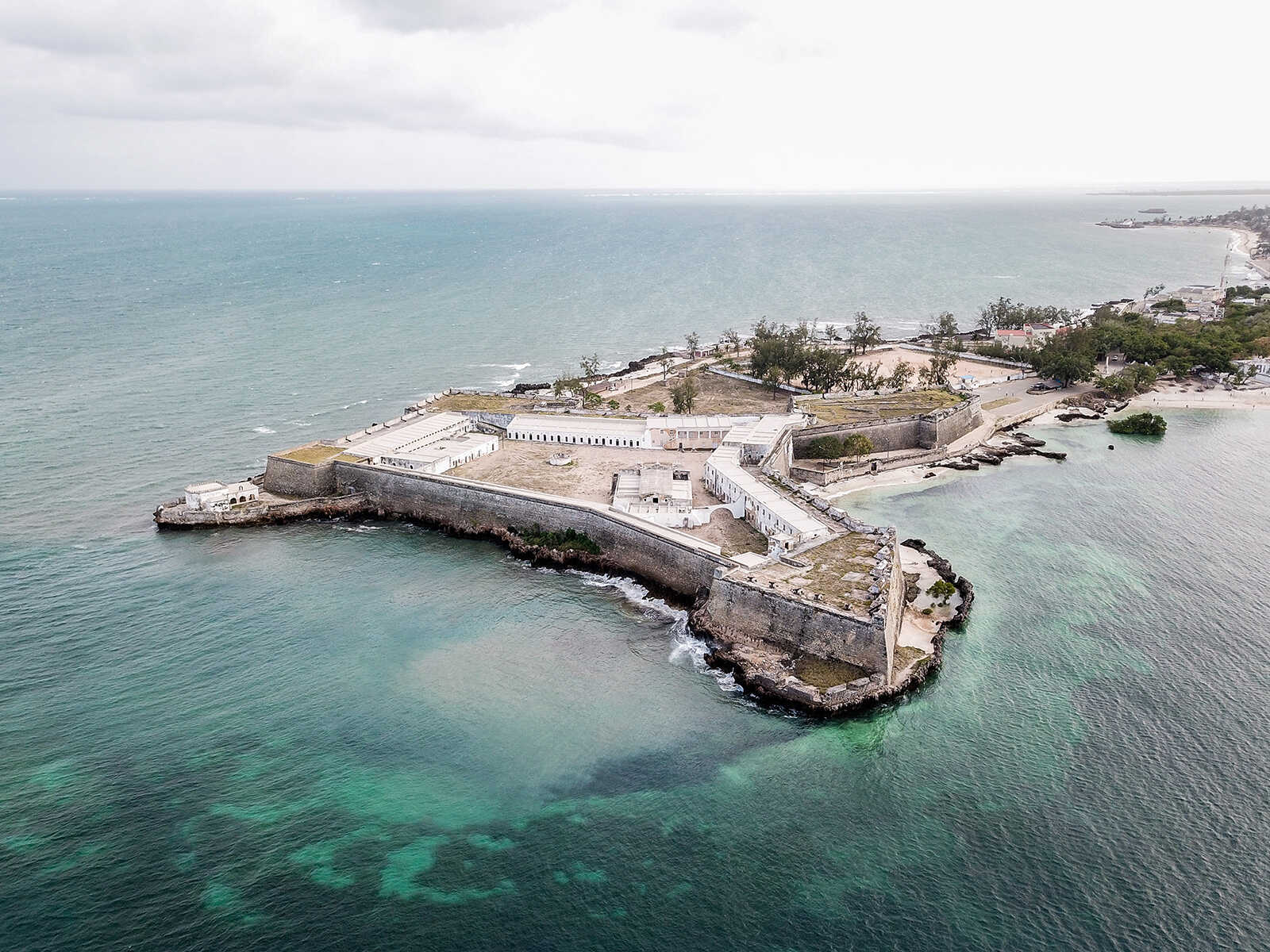
- Island of Mozambique:A UNESCO World Heritage Site, this small coral island served as the capital of Portuguese East Africa for nearly four centuries. Its stone town is a living museum, featuring the Chapel of Nossa Senhora de Baluarte (the oldest European building in the Southern Hemisphere), the São Sebastião Fort, and charming colonial architecture. Walking its cobbled streets is a journey back in time.
- Maputo's Colonial Charm:The capital city, Maputo, offers a fascinating blend of art deco and colonial buildings. Explore its bustling markets, try delicious seafood, and admire architectural curiosities like the famous Casa de Ferro(Iron House), designed by Gustave Eiffel.
"The Island of Mozambique is a unique example of a fortified city which developed from the 16th century under Portuguese rule. With its remarkable architectural unity, the island is a living symbol of the encounter of different cultures."
The fusion of African, Portuguese, and Arab influences is evident in the local cuisine, music, and art, providing a rich cultural tapestry for visitors to explore.
Untamed Wilderness and Wildlife Revival
While often celebrated for its coast, Mozambique also offers incredible safari experiences, particularly in its revitalized national parks.
A Wildlife Success Story
- Gorongosa National Park:Once devastated by civil war, Gorongosa has undergone one of Africa's most remarkable conservation success stories. This biodiverse park, nestled at the southern end of the Great Rift Valley, is home to a thriving population of elephants, lions, zebras, hippos, and a spectacular array of birdlife. It offers a unique opportunity to witness a flourishing ecosystem in recovery, with a strong emphasis on community involvement and sustainable tourism.
Safari in Mozambique provides a more intimate and less crowded experience compared to some of the continent's more famous parks, allowing for deeper connection with nature.
Unique Local Experiences
Beyond the major attractions, Mozambique offers a wealth of authentic experiences that make a visit truly special.
- Culinary Delights:Mozambican cuisine is a delicious fusion of fresh seafood, tropical fruits, and Portuguese influences. Expect succulent grilled prawns, peri-peri chicken, and flavorful stews. Don't miss trying apãozinho(small bread roll) with grilled fish from a street vendor.
- Warm Hospitality:Mozambicans are known for their friendly and welcoming nature. Engaging with locals, whether at a bustling market or a quiet village, often leads to memorable interactions.
- Vibrant Markets:Explore the vibrant local markets in cities like Maputo and Nampula, where you can find everything from fresh produce and spices to handcrafted souvenirs and colorful capulanas (traditional wraps).
Practical Considerations for Your Trip
To help you plan, here are some practical aspects to consider when deciding if Mozambique is the right destination for you:
Best Time to Visit
The dry season, from May to November, is generally considered the best time to visit Mozambique. During this period, temperatures are pleasant, humidity is lower, and there's less rainfall, making it ideal for beach activities, diving, and safaris. The rainy season (December to April) can bring heavy downpours and high humidity, though the landscape is lush and green.
Getting Around
Internal flights connect major cities and tourist destinations, offering the quickest way to cover long distances. For overland travel, buses and minibuses (chapas) are common but can be slow and sometimes uncomfortable. Renting a 4x4 vehicle is an option for adventurous travelers, especially for reaching more remote areas, but road conditions can vary significantly.
Safety and Health
Like any travel destination, it's wise to exercise common sense regarding personal safety. Be aware of your surroundings, avoid walking alone at night in unfamiliar areas, and keep valuables secure. For health, consult your doctor about necessary vaccinations and malaria prophylaxis before traveling. Always have comprehensive travel insurance.
Language and Currency
Portuguese is the official language, but various local languages are spoken across the country. In tourist areas, English is often understood. The local currency is the Mozambican Metical (MZN), but US Dollars and South African Rands are sometimes accepted in tourist establishments.
Conclusion: An Unforgettable African Adventure
So, is Mozambique worth visiting? Absolutely. It's a destination that rewards adventurous travelers with unparalleled natural beauty, a rich cultural tapestry, and a sense of genuine discovery. From the vibrant underwater worlds of its marine parks and the historical echoes of its colonial past to the inspiring wildlife revival in its national parks, Mozambique offers a diverse and deeply enriching travel experience.
For those willing to venture off the beaten path, Mozambique promises pristine beaches, heartwarming encounters, and memories that will last a lifetime. It's an unfolding story, and now is the perfect time to be a part of it.