
Is Mozambique Safe to Travel? Essential Safety Tips
Mozambique, with its breathtaking coastline, vibrant culture, and incredible wildlife, beckons adventurers from around the globe. While safety is a common concern for any international destination, understanding the local context and taking practical precautions can ensure a rewarding and secure journey in this captivating Southern African nation.
Understanding the Safety Landscape in Mozambique
Mozambique has made significant strides in stability since its civil war ended decades ago, opening up its stunning natural beauty to tourism. Like any country, it presents a unique safety profile. Most tourist visits are trouble-free, particularly in popular southern coastal areas and national parks. However, being informed about specific regional nuances and common travel risks is key to a safe and enjoyable trip.
Navigating Regional Differences
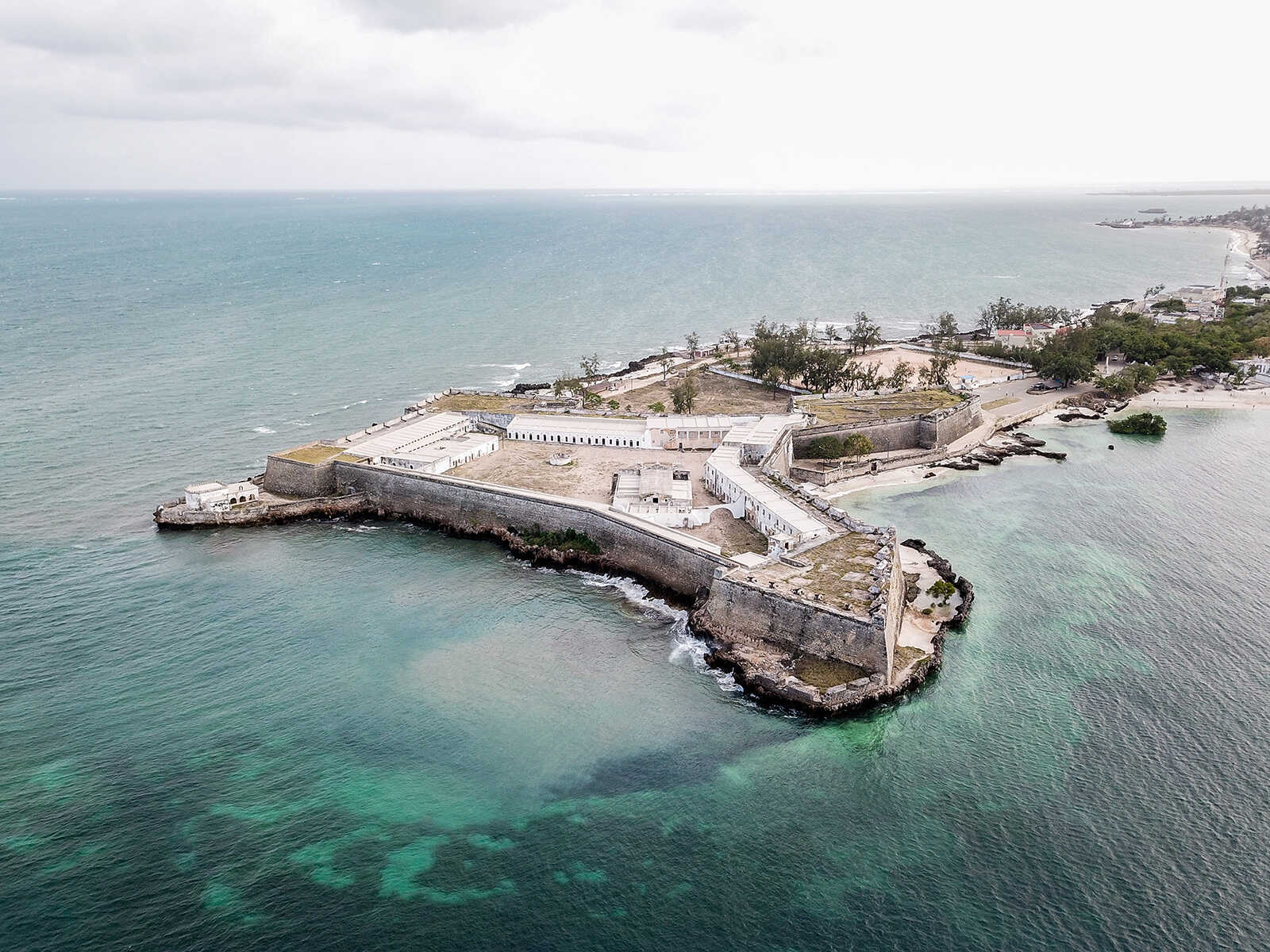
The vast majority of Mozambique's popular tourist destinations, including the capital Maputo, the southern beaches of Tofo and Vilanculos (gateway to the Bazaruto Archipelago National Marine Park), and the historic Island of Mozambique, are generally considered safe for tourists. These areas benefit from established tourism infrastructure and a visible security presence.
However, it's crucial to be aware of the ongoing security situation in parts of the northern Cabo Delgado province. Insurgent activity has affected some areas, particularly further north from established tourist routes. While luxurious island retreats like Ilha Vamizi and parts of the Quirimbas Islands have historically been popular, it's vital to check the latest government travel advisories for this specific region before planning a visit. Most travelers to Mozambique will not venture into these affected areas.
Essential Tip:Always consult your home country's government travel advisories (e.g., U.S. State Department, UK Foreign Office) for the most up-to-date information on specific regions within Mozambique before and during your trip.
Common Safety Concerns and Mitigation Strategies
Petty Crime and Theft
As in many developing countries, petty crime such as pickpocketing, bag snatching, and opportunistic theft is a concern, especially in urban centers like Maputo and Beira, and busy markets. Tourists, often perceived as wealthy, can be targets.
- Be Aware:Maintain situational awareness, particularly in crowded areas, markets, and on public transport.
- Secure Valuables:Keep valuables out of sight. Use a money belt or secure pouch for passports, large sums of cash, and credit cards. Avoid openly displaying expensive jewelry, cameras, or smartphones.
- Night Safety:Avoid walking alone at night, especially in dimly lit areas or deserted streets. Use licensed taxis or ride-sharing services recommended by your accommodation.
- Accommodation Security:Choose reputable hotels or guesthouses with good security measures. Use in-room safes for passports and excess cash.
- The "Good Samaritan" Scam:Be wary of strangers offering unsolicited help or directions, as this can sometimes be a distraction for theft.
Road Safety and Transport
Road conditions in Mozambique can vary significantly. Main routes are generally paved, but secondary roads can be unpaved, potholed, and challenging, especially during the rainy season. Driving at night carries increased risks due to poor lighting, unmarked obstacles, pedestrians, and animals on the road.
- Public Transport:"Chapas" (minibus taxis) are common but often overcrowded and involved in accidents. For longer distances, consider reputable inter-city bus services. Within cities, use licensed taxis or ride-sharing apps where available. Always agree on a fare before starting your journey.
- Driving:If self-driving, opt for a 4x4 vehicle, especially if venturing off main roads. Avoid driving after dark. Ensure your vehicle is in good condition and carry spare tires, water, and fuel. Be aware of police checkpoints; ensure all vehicle documents are in order.
Health and Medical Concerns
Malaria is prevalent throughout Mozambique, including popular tourist areas. Dengue fever and chikungunya are also present. Medical facilities, particularly outside Maputo, are basic and limited. Comprehensive travel insurance is non-negotiable.
- Malaria Prevention:Consult your doctor about anti-malarial medication. Use mosquito repellent containing DEET, wear long sleeves and trousers at dusk and dawn, and sleep under mosquito nets.
- Water and Food:Drink only bottled or purified water. Be cautious with street food; opt for freshly prepared, hot meals from reputable establishments. Wash hands frequently.
- Vaccinations:Ensure routine vaccinations are up-to-date. Yellow Fever vaccination may be required if arriving from an endemic country. Hepatitis A and B, Typhoid, and Tetanus are often recommended.
- Travel Insurance:Absolutely essential. Ensure it covers medical emergencies, evacuation, and repatriation.
Water Activities Safety
Mozambique's coastline offers incredible opportunities for diving, snorkeling, and other water sports. Destinations like the Bazaruto Archipelago National Marine Park and Inhaca Island are renowned for their marine life.
- Reputable Operators:Always use licensed and reputable tour operators for diving, snorkeling, or boat trips. Check their equipment and safety record.
- Marine Life:Be aware of marine hazards like strong currents, jellyfish, and venomous fish. Listen to local guides.
Wildlife Safety
If you're planning a safari to destinations like Gorongosa National Park, remember you're in wild territory.
- Safari Rules:Always follow your guide's instructions. Do not approach wild animals on foot, and remain inside your vehicle during game drives.
- Respect Wildlife:Keep a safe distance and avoid making sudden movements or loud noises that could disturb animals.
Essential Safety Tips for a Secure Journey
- Travel Insurance is a Must:Don't travel without comprehensive insurance that covers medical emergencies, theft, and trip cancellations.
- Register with Your Embassy:Inform your country's embassy or consulate of your travel plans. This helps them locate you in case of an emergency.
- Keep Copies of Important Documents:Store digital and physical copies of your passport, visa, flight tickets, and insurance details separately from the originals.
- Local SIM Card:Purchase a local SIM card upon arrival for easy communication and access to maps/information. Vodacom and Movitel are major providers.
- Dress Respectfully:While coastal areas are relaxed, dress modestly, especially when visiting local villages or religious sites, to show respect for local customs.
- Be Wary of Unsolicited Help:Politely decline persistent offers of assistance at airports, bus stations, or tourist sites, as they can sometimes lead to scams.
- Stay Informed:Keep an eye on local news and heed advice from your accommodation providers or tour guides.
- Emergency Numbers:Know the local emergency numbers (Police: 112 or 119, Ambulance: 117).
- Cash and Cards:Carry a mix of cash (Metical) and credit/debit cards. ATMs are available in major towns, but rural areas are cash-only. Inform your bank of your travel dates.
- Don't Resist Robbery:In the unfortunate event of a robbery, do not resist. Your safety is more important than your possessions.
Mozambique offers an unforgettable experience, from the vibrant markets of Maputo (where you can even spot unique architecture like the Casa de Ferro) to the tranquil, palm-fringed islands. By understanding the potential risks and diligently following these safety tips, you can confidently explore its captivating landscapes, rich history, and warm hospitality. A well-prepared traveler is a safe and happy traveler, ready to embrace all the wonders Mozambique has to offer.