
How to Get Around Mozambique: Transportation Guide for Tourists
Mozambique, with its vast coastline, vibrant cities, and remote national parks, offers a diverse array of transportation options for the adventurous traveler. Navigating this beautiful country requires a mix of planning, flexibility, and a willingness to embrace local modes of transport. This guide will help you understand the best ways to explore Mozambique, ensuring a memorable journey.
Getting around Mozambique can be an adventure in itself. From bustling city streets to serene island escapes, your choice of transport will largely depend on your destination, budget, and desired level of comfort. Embrace the journey, and you'll discover the true spirit of this enchanting Southern African nation.
Air Travel: Covering Vast Distances Efficiently
For covering significant distances quickly or reaching remote areas, domestic flights are often the most practical choice. Mozambique's major cities are connected by air, and smaller airstrips serve popular tourist destinations.
- Domestic Airlines:The national carrier and other private airlines operate routes connecting cities like Maputo, Beira, Nampula, and Pemba. These flights are ideal for travelers with limited time who want to explore different regions.
- Accessing Remote Gems:Air travel is particularly useful for reaching pristine island archipelagos and national parks. You can fly to destinations near the Quirimbas Islands in the north or the stunning Bazaruto Archipelago National Marine Park further south. Resorts on exclusive islands like Ilha Vamizi often arrange charter flights directly to their private airstrips.
- Safari Connections:For wildlife enthusiasts, flying is the most efficient way to access vast wilderness areas like Gorongosa National Park, often involving a flight to a nearby town followed by a transfer.
- Charter Flights:For ultimate flexibility and access to very secluded locations, private charter flights are available, though at a premium.
Road Travel: The Heartbeat of Mozambican Transport
Road travel offers a more immersive experience, allowing you to witness daily life and the country's diverse landscapes up close. Be prepared for varying road conditions, from well-maintained highways to challenging dirt tracks.
Buses and Chapas (Minibuses)
These are the most common and affordable forms of public transport, connecting towns and cities across the country. They offer an authentic, albeit often crowded, local experience.
- Chapas:The ubiquitous minibuses (Toyota Hiace vans) are the backbone of local transport. They operate on fixed routes but only depart once full, which can mean waiting. They are very budget-friendly but can be uncomfortable for long journeys due to overcrowding.
- Intercity Buses:Larger, more comfortable coaches connect major cities. These usually adhere to a schedule and offer a more relaxed journey than chapas, with designated stops. Booking in advance is advisable, especially for popular routes.
- Safety Note:While generally safe, chapas can sometimes be overloaded or driven quickly. Keep your belongings secure and consider taking a larger bus for longer distances if comfort is a priority.
Private Car Hire and Taxis
For greater comfort and flexibility, private options are available, especially in urban areas.
- Taxis:Readily available in major cities like Maputo, taxis are a convenient way to get around. Always agree on a fare before starting your journey, as meters are rare.
- Ridesharing Apps:In Maputo and potentially other larger cities, some international ridesharing apps or local equivalents may operate, offering a transparent pricing structure.
- Car Hire with Driver:Hiring a car with a local driver is an excellent option for those who want the flexibility of a private vehicle without the stress of driving themselves on unfamiliar roads. Drivers are knowledgeable about local conditions and can offer insights into the area.
Self-Driving
Exploring Mozambique by self-drive offers unparalleled freedom, but it comes with challenges.
- Vehicle Choice:A 4x4 vehicle is highly recommended, especially if you plan to venture off main routes or travel during the rainy season. Many popular tourist destinations, like parts of the southern coast, require a 4x4.
- Road Conditions:While main arteries are increasingly paved, many secondary roads are unpaved dirt tracks, prone to potholes, sand, or mud. Night driving should be avoided due to poor visibility, wandering livestock, and potential security concerns.
- Permits and Documentation:Ensure you have an international driving permit, your national driver's license, and all necessary vehicle documentation.
- Fuel and Spares:Fuel stations can be sparse in rural areas; plan your stops carefully. Carry essential spares and recovery gear if heading off the beaten path.
- Safety:Always be aware of your surroundings, especially in urban areas. Keep valuables out of sight and lock your doors.
Rail Travel: A Scenic but Limited Option
Passenger rail services exist in Mozambique but are generally limited and not as developed for tourist travel compared to other modes. Some routes offer a glimpse into the country's interior, but they are often slow and infrequent. Check specific routes and schedules if you're interested in this unique, often rustic, travel experience.
Water Travel: Coastal Charms and Island Hopping
Given Mozambique's extensive coastline and numerous islands, water transport is essential for reaching many stunning destinations.
Ferries and Dhows
These are traditional and often charming ways to travel along the coast and to nearby islands.
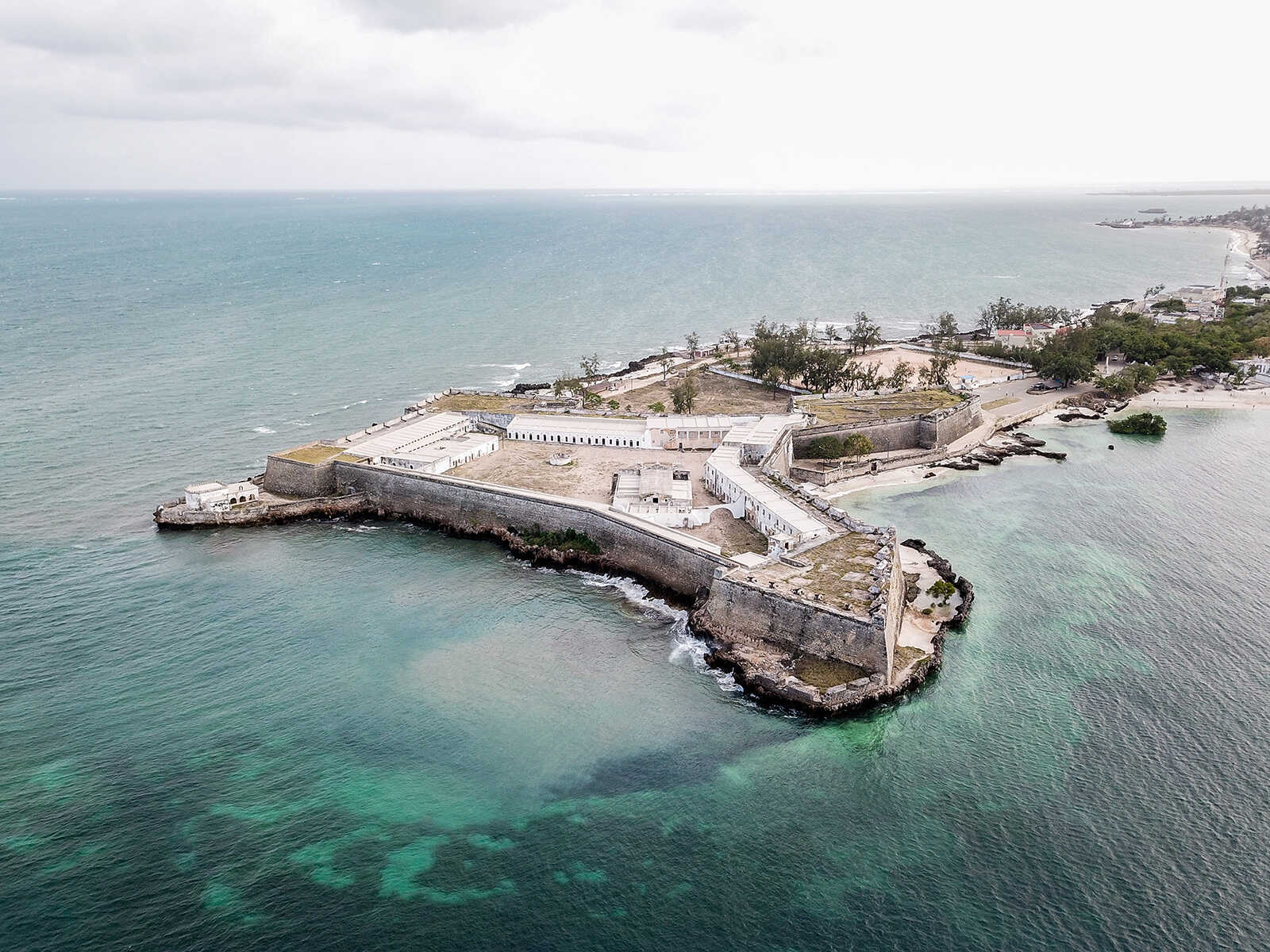
- Ferries:Regular ferry services connect some mainland points to islands, such as from Maputo to Inhaca Island. They are generally reliable but can be slow. A notable ferry also connects the mainland to the historic Island of Mozambique, a UNESCO World Heritage site.
- Dhows:These traditional wooden sailing boats are perfect for short trips, island hopping within an archipelago, or experiencing local fishing culture. While picturesque, they can be basic and slower than motorboats. Always ensure the dhow appears seaworthy and that life jackets are available.
Speedboats and Charters
For quicker transfers to resorts or exploring marine parks, speedboats and private charters are popular.
- Resort Transfers:Many coastal and island resorts arrange speedboat transfers for their guests, especially to places like the Bazaruto Archipelago National Marine Park.
- Excursions:Speedboats are excellent for day trips, snorkeling, diving, or exploring various islands within an archipelago.
Local Transportation: Getting Around Towns and Cities
- Tuk-tuks and Rickshaws:In many towns and cities, you'll find motorized rickshaws (tuk-tuks) or bicycle rickshaws (txiripas) offering short-distance transport. Negotiate the fare beforehand.
- Motorbike Taxis (Txopelas):Ubiquitous in urban and semi-urban areas, these are a quick and agile way to navigate traffic. Always wear a helmet if one is provided, and confirm the fare first.
- Walking:For exploring markets, historical centers like the Island of Mozambique, or just soaking in the atmosphere, walking is often the best option. Be mindful of traffic and your surroundings, especially after dark.
Essential Tips for Smooth Travel
Traveler's Insight:"In Mozambique, patience is your most valuable travel companion. Embrace delays as opportunities to observe and connect with local life."
- Book Ahead:For flights, intercity coaches, and popular resort transfers, booking in advance is highly recommended, especially during peak season.
- Local Currency:Always carry small denominations of the local currency (Metical) for chapas, tuk-tuks, and market purchases, as change can be hard to come by.
- Patience and Flexibility:Things in Mozambique often run on "Mozambican time." Be prepared for delays, unexpected changes, and a more relaxed pace.
- Safety First:Keep an eye on your belongings, especially in crowded areas. Avoid displaying expensive items. If driving, be cautious of road conditions and avoid night travel.
- Learn Basic Portuguese:Even a few phrases of Portuguese (Olá, Obrigado, Quanto custa?) will greatly enhance your interactions and ease your travels.
- Travel Insurance:Always ensure you have comprehensive travel insurance that covers medical emergencies, trip cancellations, and lost luggage.
Conclusion
Navigating Mozambique is an integral part of the adventure. Whether you choose the speed of a domestic flight, the local charm of a chapa, the freedom of a self-drive, or the serene beauty of a dhow ride, each mode of transport offers a unique perspective on this captivating country. Plan wisely, remain flexible, and prepare to discover the stunning landscapes and warm hospitality of Mozambique.