
Diving and Snorkeling in Bazaruto Archipelago: An Underwater Guide
The Bazaruto Archipelago, a string of pristine islands off the coast of Mozambique, is a true underwater paradise. Renowned for its vibrant coral reefs, abundant marine life, and crystal-clear waters, it offers unparalleled diving and snorkeling experiences for all levels of adventurers. Prepare to discover a breathtaking world beneath the waves.
Welcome to Bazaruto's Underwater Paradise
Nestled within the Bazaruto Archipelago National Marine Park, this protected area spans five main islands – Bazaruto, Benguerra, Magaruque, Santa Carolina (Paradise Island), and Bangué – alongside several smaller ones. Established in 1971, it is Mozambique's first marine protected area and a vital sanctuary for a diverse array of marine ecosystems and endangered species. The park's commitment to conservation ensures that its coral gardens remain healthy and teeming with life, offering an extraordinary spectacle for visitors.
Why Dive and Snorkel in Bazaruto?
Bazaruto's allure lies in its exceptional biodiversity and pristine conditions. Here’s what makes it a world-class destination:
- Unrivaled Biodiversity:The archipelago is home to over 2,000 species of fish, 120 species of coral, and five out of the seven marine turtle species.
- Excellent Visibility:Water clarity often exceeds 30 meters, providing spectacular views of the underwater landscape.
- Diverse Topography:From shallow, colourful reefs perfect for snorkelers to dramatic drop-offs and canyons for experienced divers, there’s a site for every preference.
- Mega-fauna Encounters:It's one of the last remaining strongholds for the endangered dugong and a renowned spot for spotting manta rays, whale sharks, and various shark species.
Top Diving Spots in the Bazaruto Archipelago
For certified divers, the archipelago offers a range of incredible sites, each with its unique charm and inhabitants.
Two Mile Reef (Benga Island Reef)
Arguably the most famous dive site, Two Mile Reef is a vast, elongated reef system stretching for kilometers. Its outer edge features deeper walls, while the inner sections are shallower and protected. It's suitable for divers of all experience levels.
- What to See:Expect vibrant hard and soft corals, large schools of reef fish (snappers, fusiliers, surgeonfish), moray eels, octopus, and regular sightings of green turtles, loggerhead turtles, and hawksbill turtles. Larger pelagic species like barracuda and kingfish are also common.
The Canyon
Located further offshore, The Canyon is a dramatic dive site characterized by deep trenches and impressive rock formations. This site is generally reserved for more experienced divers due to potential currents and depth.
- What to See:This is where you have a higher chance of encountering larger pelagic species. Manta rays are frequently seen gliding through the currents, especially during certain seasons. White-tip reef sharks, grey reef sharks, and even occasional hammerheads patrol the depths. Whale sharks are also a possibility here.
San Sebastian
Situated near the southern tip of the Bazaruto Archipelago National Marine Park, San Sebastian offers pristine and less-frequented dive sites. Its remote location contributes to its untouched beauty.
- What to See:Expect incredible coral formations and immense schools of fish. The chances of spotting larger marine life, including various shark species and rays, are excellent due to its secluded nature.
The Aquarium
True to its name, The Aquarium is a relatively shallow dive site brimming with an incredible density of marine life. It’s perfect for those seeking a relaxed dive with maximum visual reward.
- What to See:A kaleidoscope of colourful reef fish, including clownfish in their anemones, parrotfish, angelfish, and butterflyfish. Keep an eye out for interesting macro life such as nudibranchs and flatworms.
Unforgettable Snorkeling Adventures
Bazaruto isn't just for divers; its calm, shallow waters and accessible reefs make it an ideal destination for snorkelers of all ages and skill levels. Many of the dive sites have shallower sections perfect for snorkeling.
Two Mile Reef (Inner Lagoon)
The protected inner lagoon of Two Mile Reef offers perfect snorkeling conditions. The waters are typically calm and shallow, making it safe and enjoyable for beginners and families.
- What to See:Marvel at the vibrant corals just beneath the surface, teeming with juvenile reef fish, damselfish, surgeonfish, and small rays. It’s a fantastic introduction to the underwater world.
Pansy Island (Ilha dos Pássaros)
While primarily famous for the delicate, star-shaped pansy shells found on its shores, the waters around Pansy Island also offer pleasant snorkeling opportunities. The calm, clear shallows are perfect for observing small fish and appreciating the sandy seabed.
- What to See:Delicate shells (observe only, do not remove), small fish, and a unique sandy bottom environment.
Magaruque Island (Nearshore Reefs)
The reefs easily accessible from the shores of Magaruque Island provide excellent snorkeling. The clear, warm waters make for comfortable and rewarding sessions.
- What to See:A good variety of reef fish, small coral patches, and often sea cucumbers and starfish.
Encountering Bazaruto's Marine Life
The sheer diversity of marine life in Bazaruto is astounding. Here are some of the stars you might encounter:
- Dugongs:The archipelago is one of the last remaining significant populations of these gentle "sea cows" in the Western Indian Ocean. Spotting a dugong is a rare and unforgettable privilege.
- Turtles:Green, Loggerhead, and Hawksbill turtles are commonly seen gracefully swimming along the reefs or resting on the seabed.
- Manta Rays and Whale Sharks:These magnificent filter feeders are a major draw, particularly during certain seasons. Gliding alongside a manta or swimming near the world's largest fish is an unparalleled experience.
- Sharks:Reef sharks (white-tip, black-tip, grey) are regular inhabitants. You might also encounter larger species like Zambezi (bull) sharks or the occasional hammerhead.
- Dolphins:Pods of bottlenose and spinner dolphins are frequently sighted playing in the waves.
- Humpback Whales:From June to November, these majestic creatures migrate through Bazaruto's waters, offering incredible surface encounters.
Best Time to Visit for Diving and Snorkeling
Bazaruto offers good conditions year-round, but specific seasons excel for different reasons:
- May to September (Dry Season):This is generally considered the prime time. The air is cooler, humidity is lower, and the ocean is typically calm with exceptional visibility (often 30+ meters). This period is ideal for spotting manta rays and whale sharks, as well as humpback whales.
- October to April (Wet Season):Water temperatures are warmer, but the presence of plankton can sometimes reduce visibility. However, this plankton attracts whale sharks, making it an exciting time for these encounters. It's also turtle nesting season, particularly from November to March.
Tip:If spotting whale sharks or manta rays is a priority, aim for the cooler, drier months from May to September, though they can be sighted year-round. For humpback whales, plan your trip between June and November.
Practical Tips for Your Underwater Exploration
To make the most of your Bazaruto underwater adventure, consider these practical tips:
- Choose a Reputable Operator:Ensure your chosen dive or snorkeling operator is PADI or SSI certified and prioritizes safety and marine conservation.
- Equipment:Most resorts and dive centres offer rental equipment, but if you have your own mask and snorkel, bringing them ensures a perfect fit.
- Safety First:Always dive or snorkel with a buddy and follow the instructions of your experienced guides.
- Responsible Tourism:The Bazaruto Archipelago National Marine Park is a fragile ecosystem. Help preserve it by not touching corals or marine life, never collecting shells or souvenirs from the seabed, and using reef-safe sunscreen.
- Certification:If you're new to diving, consider getting certified before you arrive, or take an introductory course at one of the island resorts.
Getting There and Beyond
Access to the Bazaruto Archipelago is typically via Vilanculos, a coastal town in Mozambique. Vilanculos has an international airport with flights from Johannesburg (South Africa) and Maputo (Mozambique's capital). From Vilanculos, transfers to the islands are usually by boat or helicopter, arranged by your accommodation.
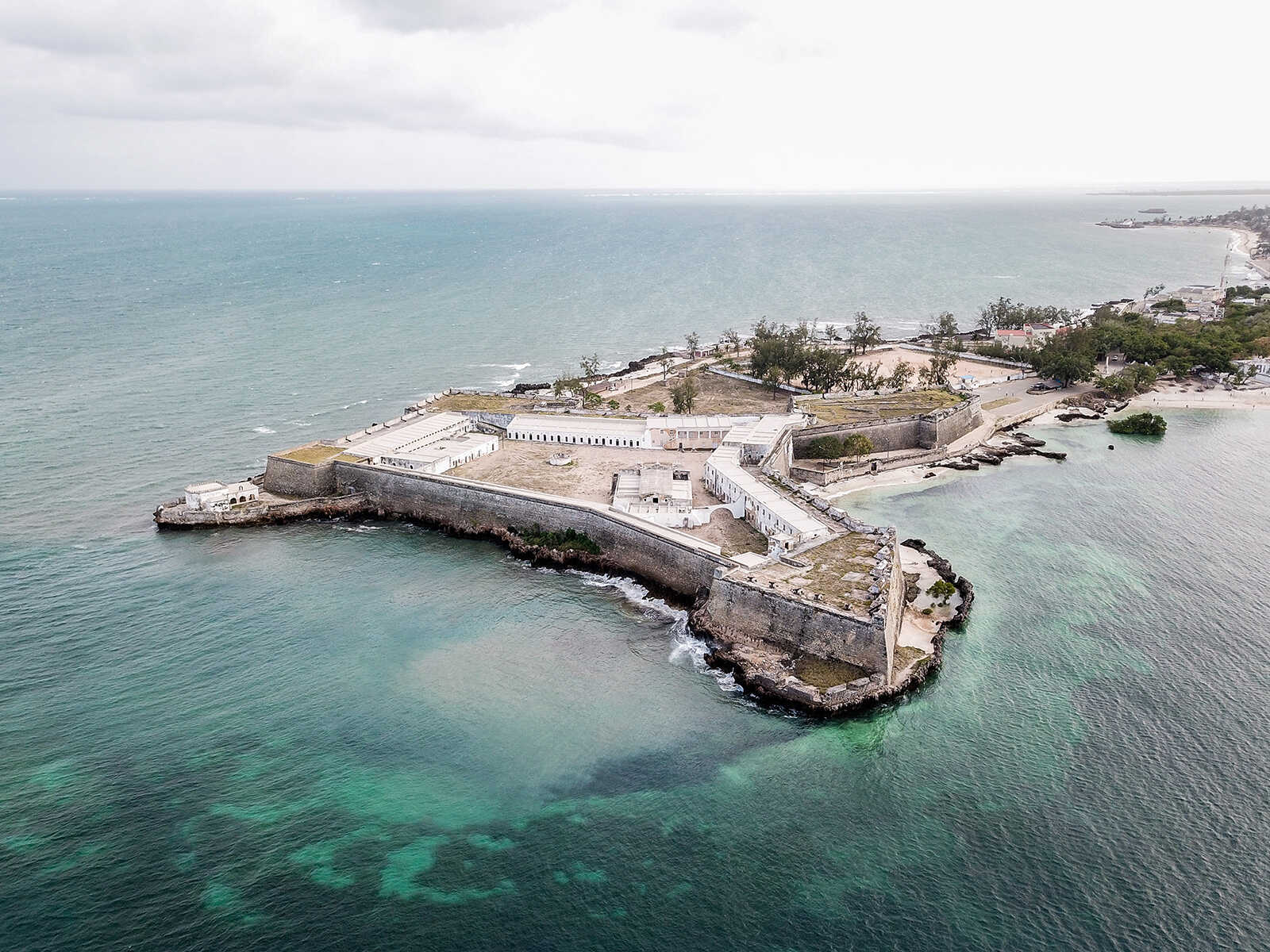
While Bazaruto offers an abundance of underwater wonders, Mozambique has other incredible destinations to explore. If you're keen on more marine adventures, consider the remote and wild Quirimbas Islands to the north. For a dose of history and culture, the UNESCO World Heritage Site of the Island of Mozambique offers a fascinating glimpse into the past. Closer to the capital,Inhaca Island also provides accessible snorkeling and diving opportunities.
Conclusion: A World Beneath the Waves Awaits
Diving and snorkeling in the Bazaruto Archipelago is more than just an activity; it's an immersive journey into one of Africa's most pristine marine environments. From the smallest nudibranch to the majestic whale shark, every moment spent beneath the waves here is a testament to the ocean's incredible beauty and vitality. Pack your fins and prepare to be captivated by Bazaruto's underwater magic.