
Best Time to Visit Mozambique for Beaches & Wildlife
Mozambique, with its dazzling Indian Ocean coastline and burgeoning national parks, offers an incredible array of experiences for every traveler. Deciding the best time to visit often hinges on your primary interests: whether you're dreaming of pristine beaches and underwater adventures, or thrilling wildlife encounters in the bush.
Mozambique's Climate: A Seasonal Overview
Mozambique experiences a tropical climate, characterized by two distinct seasons: the dry, cooler winter months and the hot, humid summer months. Understanding these patterns is key to planning your perfect trip.
- Dry Season (Winter):May to October. Generally sunny, mild temperatures, lower humidity, and minimal rainfall.
- Wet Season (Summer):November to April. Hot, humid, with sporadic heavy rainfall and thunderstorms. This is also the cyclone season, particularly between January and March.
The Dry Season (May to October): Prime Time for Most
Often considered the peak tourist season, the dry months offer the most consistently pleasant weather for exploring Mozambique's diverse offerings. Temperatures are comfortable, typically ranging from 20-30°C (68-86°F), making it ideal for both coastal relaxation and safari adventures.
Ideal for Wildlife Viewing
The dry season, particularly from June to September, is unequivocally the best time for wildlife safaris. With less vegetation, animals are easier to spot as they congregate around dwindling water sources. The cooler temperatures also make for more comfortable game drives and walks.
Places like Gorongosa National Park come alive, offering exceptional opportunities to see elephants, lions, zebras, and a myriad of antelope species. The clear skies and lack of rain ensure roads are easily navigable, enhancing the overall safari experience.
Perfect for Beach & Ocean Activities
For those drawn to Mozambique's breathtaking coastline, the dry season brings calm seas, excellent visibility for diving and snorkeling, and gentle breezes. The cooler, less humid air makes sunbathing and beach strolls incredibly enjoyable.
The famed Bazaruto Archipelago National Marine Park and the remote Quirimbas Islands, including luxurious retreats like Ilha Vamizi, are at their absolute best. Whether you're keen on exploring vibrant coral reefs, sailing on a traditional dhow, or simply relaxing on a pristine white-sand beach, this is the time to go. Marine life sightings, including manta rays and various shark species, are common thanks to the clear waters.
Advantages & Considerations
- Pros:Optimal weather for all activities, clear skies, excellent visibility for diving, best wildlife viewing, lower humidity.
- Cons:Higher prices for accommodation and flights, more tourists, especially during European summer holidays (July-August).
Travel Tip:If planning a trip during the peak dry season, especially to popular destinations like Bazaruto or Quirimbas, it's highly recommended to book your accommodation and activities several months in advance to secure your preferred options.
The Wet Season (November to April): Green & Vibrant
While often overlooked by some, the wet season offers a different, yet equally captivating, side of Mozambique. The landscape transforms into a lush, emerald paradise, and the air hums with renewed life. Temperatures are higher, ranging from 28-35°C (82-95°F), with increased humidity.
A Different Wildlife Experience
The rains bring an explosion of new growth, creating a verdant backdrop for wildlife. While spotting animals can be more challenging due to thicker vegetation, this season is a paradise for birdwatchers, as migratory species arrive in abundance. It's also the time when many animals give birth, offering heartwarming sightings of newborns.
Safari lodges often offer lower rates, and you'll experience a more exclusive, intimate safari without the crowds. However, some remote roads in parks like Gorongosa National Park might become impassable after heavy rains.
Beach & Ocean: Still Enjoyable, But Different
The wet season doesn't mean the beaches are off-limits. The ocean water is wonderfully warm, perfect for swimming. While visibility for diving and snorkeling might be slightly reduced by runoff from rivers, it can still be good, especially in less affected areas. The beaches are much less crowded, offering a sense of seclusion.
However, it's important to be aware of the risk of tropical storms and cyclones, particularly from January to March, which can disrupt travel plans. Destinations like Inhaca Island, being closer to Maputo, can still be a good option for a quick beach escape during this time, with careful monitoring of weather forecasts.
Advantages & Considerations
- Pros:Lower prices, fewer tourists, lush green landscapes, spectacular birdwatching, warm ocean water.
- Cons:High humidity, frequent rainfall (though often in short bursts), potential for cyclones (especially Feb-March), some roads may become difficult, certain lodges may close temporarily.
Travel Tip:If traveling during the wet season, especially January to March, consider purchasing comprehensive travel insurance that covers weather-related disruptions. Also, pack light, breathable clothing and rain gear.
Shoulder Seasons (April/May & October/November): The Best of Both Worlds?
The shoulder seasons often present a sweet spot for many travelers, blending the advantages of both peak and off-peak times.
- April/May:The tail end of the wet season transitions into the dry. Rains become less frequent, humidity drops, and the landscape is still beautifully green. Wildlife viewing begins to improve, and beach conditions become excellent, but without the full dry season crowds.
- October/November:The dry season gives way to the first rains. Temperatures start to climb, but the humidity is still manageable. This period can offer excellent diving conditions before the full onset of the wet season, and wildlife is still concentrated around waterholes as the landscape begins to green up.
These months can offer a great balance of good weather, fewer crowds, and more competitive prices.
Special Interests & Events
Whale Watching Season
For an unforgettable marine encounter, plan your visit betweenJune and November. Humpback whales migrate from Antarctica to Mozambique's warmer waters to calve and breed. Peak viewing is typically from July to October, with sightings common along the southern coast, particularly around the Bazaruto Archipelago and Ponta do Ouro.
Turtle Nesting
BetweenNovember and March, various species of sea turtles, including Loggerheads and Leatherbacks, come ashore to nest on Mozambique's protected beaches. Many lodges offer guided excursions to witness this incredible natural phenomenon.
Diving & Snorkeling
While generally good year-round, the absolute best visibility and calmest seas for diving and snorkeling are found during thedry season (May to October). This is when sites in the Bazaruto Archipelago and Quirimbas Islands truly shine. Whale sharks and manta rays are often spotted, though their presence can be seasonal and less predictable.
Cultural Exploration
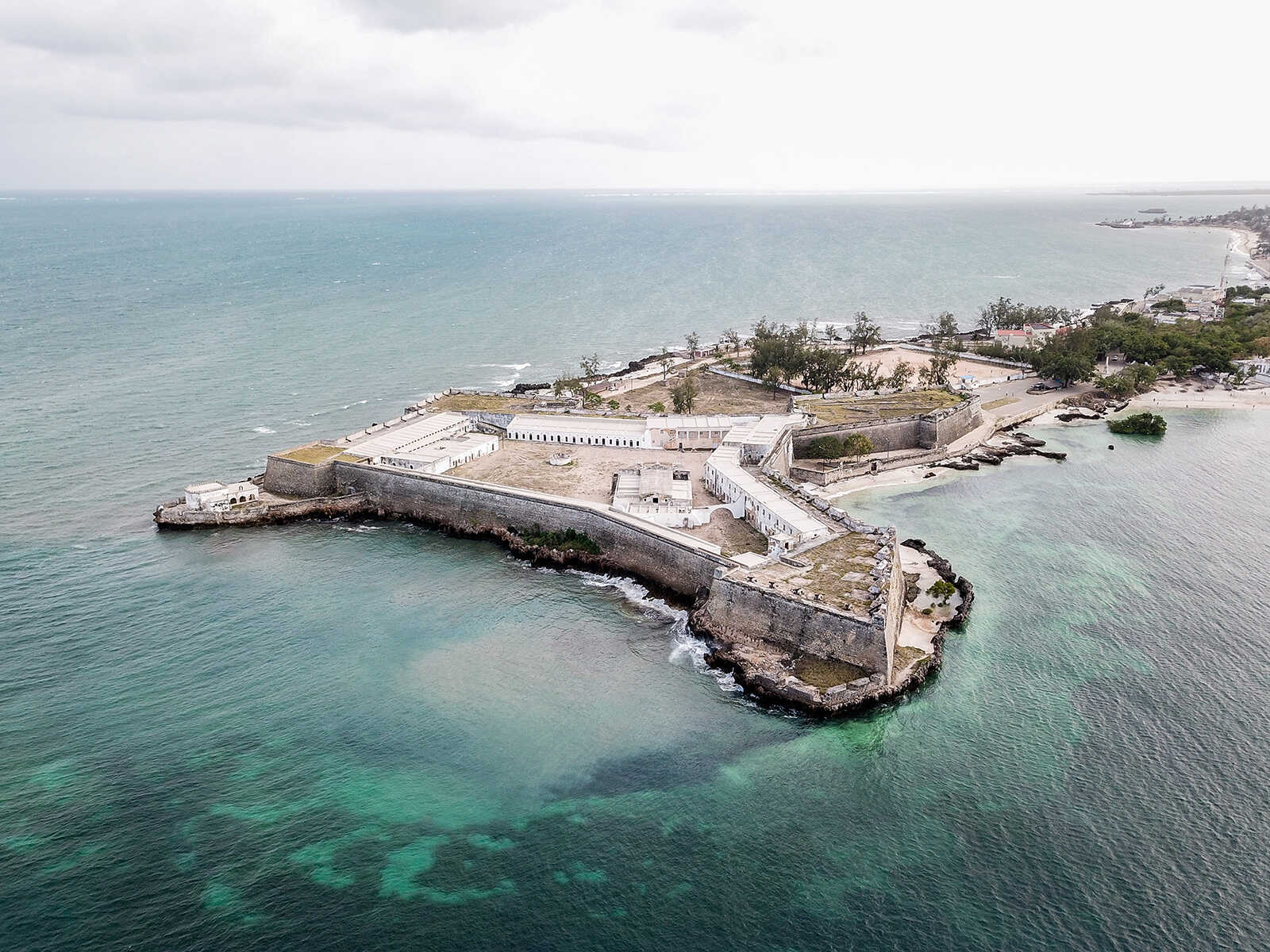
For exploring Mozambique's rich history and culture, such as the UNESCO World Heritage site of Island of Mozambique or the unique architecture of Casa de Ferro in Maputo, any time of year is suitable. However, the intense heat and humidity of the wet season might make extended walking tours less comfortable.
Making Your Decision: Key Factors
Ultimately, the "best" time to visit Mozambique depends on your personal priorities:
- If wildlife is paramount:Aim for the dry season (June-September).
- If pristine beaches and diving are your focus:The dry season (May-October) is ideal.
- If you prefer fewer crowds and lower prices:Consider the wet season (November-April) or shoulder seasons.
- If birdwatching is a passion:The wet season (November-April) will reward you.
- If whale watching is a must:Plan for June-November, peaking July-October.
No matter when you choose to go, Mozambique promises an unforgettable blend of stunning natural beauty, vibrant culture, and thrilling adventures.