
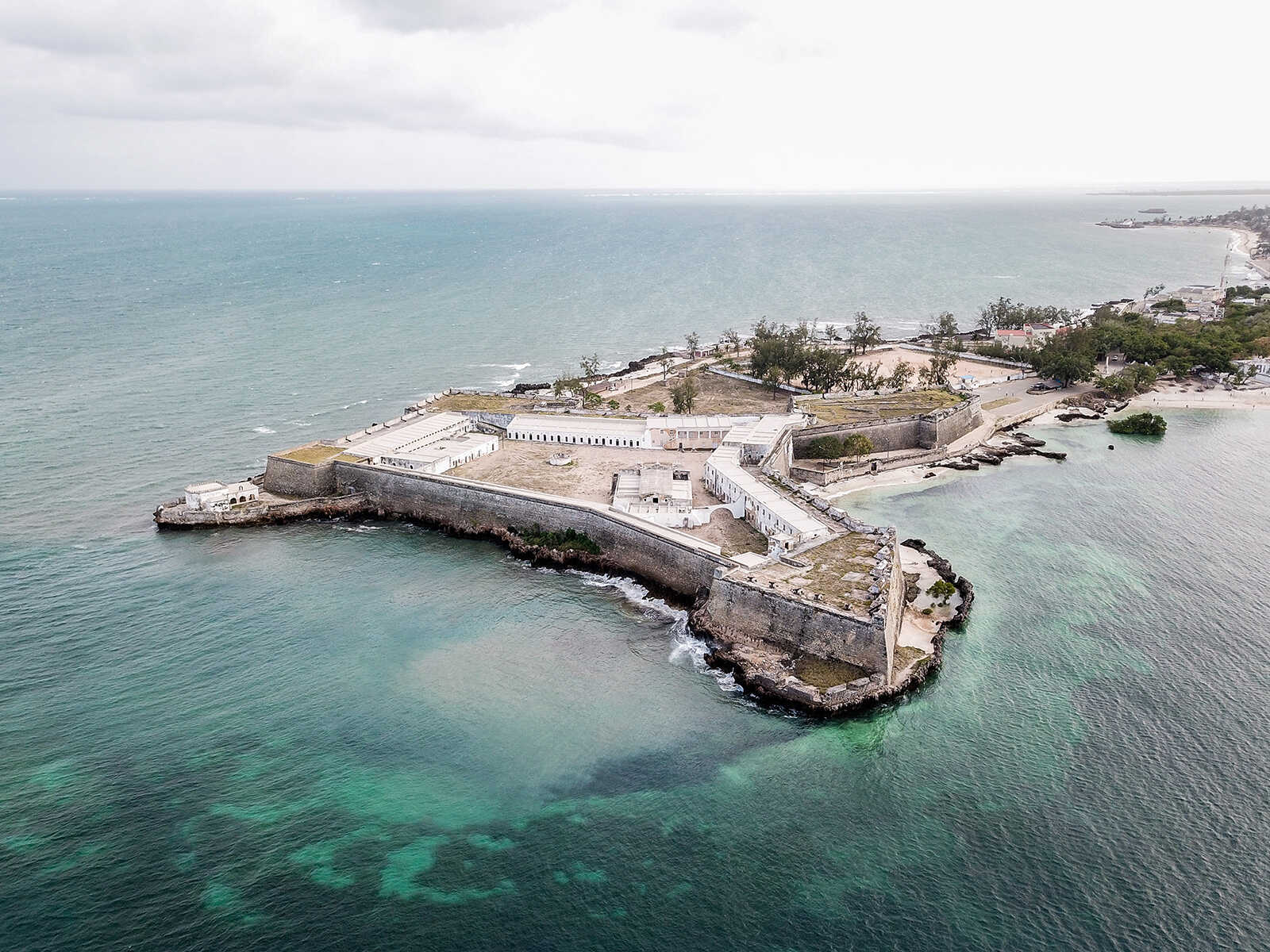
Best Time for Diving and Snorkeling in Mozambique
Mozambique's coastline is a diver's dream, boasting crystal-clear waters, vibrant coral reefs, and an abundance of marine life. To truly unlock the magic of its underwater world, understanding the best time to visit is key for an unforgettable diving and snorkeling adventure.
Mozambique: An Underwater Paradise
Stretching over 2,500 kilometers along the southeastern African coast, Mozambique offers some of the most pristine and biodiverse marine environments on the planet. From the bustling reefs of the south to the untouched archipelagos in the north, its waters are home to an incredible array of species, including whale sharks, manta rays, dugongs, and five species of sea turtles. Whether you're a seasoned diver seeking thrilling encounters or a snorkeler looking to glide over colorful corals, Mozambique promises an extraordinary experience.
Understanding Mozambique's Seasons
Mozambique experiences two main seasons, each presenting unique conditions for exploring its underwater treasures:
The Dry Season (May to November)
Often considered the prime time for diving and snorkeling, the dry season brings stable, cooler weather and unparalleled underwater visibility. This period is characterized by:
- Water Visibility:Excellent, often exceeding 30 meters, especially from July to September. This is crucial for spotting distant marine life and appreciating the intricate reef systems.
- Water Temperature:Ranges from 22-26°C (72-79°F). While cooler than the wet season, it's still comfortable for most with a 3mm or 5mm wetsuit.
- Marine Life:This is peak season for encounters with magnificent creatures. May to November offers the best chances to seewhale sharksandmanta rays, particularly in the southern regions. From June to November,humpback whalesmigrate along the coast, offering spectacular surface breaches and underwater songs.
- Weather:Sunny days, lower humidity, and generally calm seas make for comfortable boat trips and surface intervals.
Popular destinations like Bazaruto Archipelago National Marine Park, the Quirimbas Islands, and Ilha Vamizi truly shine during these months, offering incredible diving conditions.
Tip:The months ofSeptember and Octoberare often highlighted as the absolute sweet spot for diving in Mozambique, offering a superb combination of excellent visibility, pleasant water temperatures, and peak sightings of whale sharks and manta rays.
The Wet Season (December to April)
While the dry season often takes the spotlight, the wet season has its own unique charm and advantages for divers and snorkelers:
- Water Visibility:Generally good, but can be reduced (10-20 meters) due to rainfall and sediment runoff, especially after heavy downpours.
- Water Temperature:Warmer, ranging from 26-30°C (79-86°F), making for very comfortable diving and snorkeling with just a rash guard or shorty wetsuit.
- Marine Life:This period coincides with the nesting and hatching season for various sea turtles (December to March), making sightings more common. You might also encounter younger reef sharks and a different array of macro life. While whale shark sightings can occur, they are less predictable than in the dry season.
- Weather:Characterized by higher humidity, more frequent rainfall (often in short, heavy bursts), and the occasional tropical storm, particularly from January to March.
The wet season can also mean fewer crowds and potentially more competitive prices for accommodation and dive excursions, offering a more secluded experience.
Seasonal Marine Life Highlights
Mozambique's marine calendar is packed with incredible encounters:
- Whale Sharks and Manta Rays:Best sightings are typically fromMay to November, peaking aroundSeptember and October. Tofo in the south is world-renowned for these gentle giants.
- Humpback Whales:These majestic creatures migrate through Mozambican waters fromJune to November, with peak activity betweenAugust and October. Their haunting songs can sometimes be heard underwater.
- Turtles:Nesting season for loggerhead, leatherback, and green turtles runs fromNovember to March, with hatchlings emerging fromJanuary to May. Many islands in the Bazaruto Archipelago National Marine Park and Quirimbas Islands are vital nesting sites.
- Dugongs:These shy "sea cows" are critically endangered but can be found year-round, particularly in the seagrass beds of the Bazaruto Archipelago. Better visibility in the dry season aids in spotting them.
- Reef Fish and Corals:Mozambique's vibrant reefs are teeming with life all year round, but the best conditions for appreciating their full splendor are during the high visibility dry season.
Regional Spotlights for Diving and Snorkeling
Different regions of Mozambique offer distinct diving and snorkeling experiences:
- Southern Mozambique (Tofo, Ponta do Ouro, Inhambane):Famous for its pelagic encounters. Tofo is a global hotspot for whale sharks and manta rays. Ponta do Ouro offers thrilling shark dives. The warmer waters of the wet season can still provide good conditions here, but the dry season offers more reliable visibility and pelagic sightings.Inhaca Island, near Maputo, is excellent for accessible snorkeling and exploring vibrant shallow reefs.
- Central Mozambique (Bazaruto Archipelago National Marine Park):A protected haven renowned for its pristine coral reefs, diverse fish life, and healthy dugong population. Visibility here is generally excellent, especially during the dry season. The archipelago's sheltered bays also offer fantastic snorkeling opportunities regardless of the season.
- Northern Mozambique (Quirimbas Islands,Ilha Vamizi):Less explored and incredibly pristine, offering untouched reefs and dramatic drop-offs. This region truly shines during the dry season (May to November) when calm seas and exceptional visibility reveal flourishing coral gardens and abundant marine life, including various shark species and large pelagics.
Factors to Consider When Planning Your Trip
- Water Temperature:If you're sensitive to cold, plan for the warmer wet season or bring a thicker wetsuit for the dry season.
- Visibility:For photographers or those wanting the clearest views, prioritize the dry season, especially July-September.
- Crowds:The dry season (particularly July-August and December-January holidays) can be busier. If you prefer solitude, consider the shoulder months (May, June, November) or the wet season.
- Accommodation and Flights:Book well in advance for peak dry season travel, as popular resorts and dive centers fill up quickly.
- Rainfall:While the wet season means rain, it often comes in short tropical bursts, leaving plenty of sunny periods. However, prolonged heavy rain can affect visibility.
Essential Gear and Tips for Divers & Snorkelers
- Reef-Safe Sunscreen:Protect yourself and the delicate marine ecosystem.
- Wetsuit:A 3mm full suit or shorty is usually sufficient, but a 5mm might be preferred for cooler dry season waters.
- Mask, Snorkel, Fins:While rentals are available, bringing your own comfortable, well-fitting gear enhances the experience.
- Underwater Camera:Don't forget to capture the magic!
- Respect Marine Life:Observe from a distance, do not touch corals or animals, and avoid disturbing their natural habitat.
- Stay Hydrated:Especially important in Mozambique's tropical climate.
Conclusion: Making the Most of Your Mozambican Underwater Adventure
While the dry season (May to November) generally offers the best combination of visibility, comfortable weather, and prolific marine life, Mozambique's underwater world is captivating year-round. Your ideal time to visit will ultimately depend on your priorities: whether it's seeing specific marine giants, enjoying warmer waters, or avoiding crowds. Regardless of when you choose to go, Mozambique promises an unforgettable journey into its vibrant aquatic realm.