
Shopping in Morocco: Guide to Souks, Crafts, and Best Souvenirs
Stepping into Morocco's vibrant souks is an adventure for the senses, a kaleidoscope of colors, sounds, and aromas. From bustling medinas to tranquil artisan workshops, the country offers an unparalleled shopping experience rich in culture and unique treasures.
The Heart of Moroccan Shopping: Understanding the Souk
At the core of Moroccan commerce lies the souk, a traditional marketplace that has been the lifeblood of communities for centuries. These labyrinthine alleys, particularly famous in cities like Marrakech Medina and Fes, are organized by trade, with sections dedicated to leather, spices, textiles, and more.
Tip:Don't be afraid to get a little lost in the souk. It's often where you discover the most authentic interactions and hidden gems. Just remember your general direction or a landmark to eventually find your way out.
Navigating a souk is an immersive experience. You'll hear the calls of vendors, smell exotic spices and fresh mint, and see artisans at work, often using techniques passed down through generations. It's not just a place to buy goods; it's a cultural encounter that provides insight into Moroccan life.
A Treasure Trove of Moroccan Crafts
Morocco's rich history and diverse cultural influences have fostered a remarkable tradition of craftsmanship. Each region often boasts its own specialties, making every purchase a piece of a larger story.
Textiles and Carpets
Moroccan rugs are world-renowned for their intricate designs, vibrant colors, and exceptional quality. From the geometric patterns of a Beni Ourain rug, handwoven by Berber women in the Atlas Mountains, to the abstract beauty of an Azilal or the recycled fabric charm of a Boucherouite, there's a style for every taste. Beyond rugs, you'll find beautiful kilims, hand-embroidered throws, and traditional garments.
- Beni Ourain:Soft, undyed wool with geometric patterns, often black or brown on a cream background, known for their plush pile.
- Azilal:Characterized by their colorful, abstract designs and often irregular patterns, reflecting the weaver's personal expression.
- Boucherouite:Made from recycled fabric scraps, offering a vibrant, textured, and eco-friendly option with unique patterns.
Leather Goods
Moroccan leather is famous for its durability and unique tanning process, particularly in Fes. The souks are overflowing with beautifully crafted leather bags, wallets, belts, and the iconic soft leather slippers known asbabouches. Poufs, often intricately embroidered, are another popular leather item that adds a touch of Moroccan style to any home.
Ceramics and Pottery
From practical tagines for cooking to decorative platters and bowls, Moroccan pottery is both functional and artistic.Fes is celebrated for its distinctive blue and white pottery, while Safi is known for its more colorful and robust pieces. Each item is typically hand-painted, reflecting regional motifs and traditional designs, making each piece unique.
Metalwork and Lanterns
The clang of hammers on metal is a common sound in the souks, where skilled artisans create stunning pieces from brass, copper, and silver. Intricately carved lanterns cast enchanting shadows, while delicate tea sets, trays, and mirrors showcase the precision of Moroccan metalwork. Silver jewelry, often adorned with semi-precious stones, is also a popular find, particularly traditional Berber designs.
Woodwork
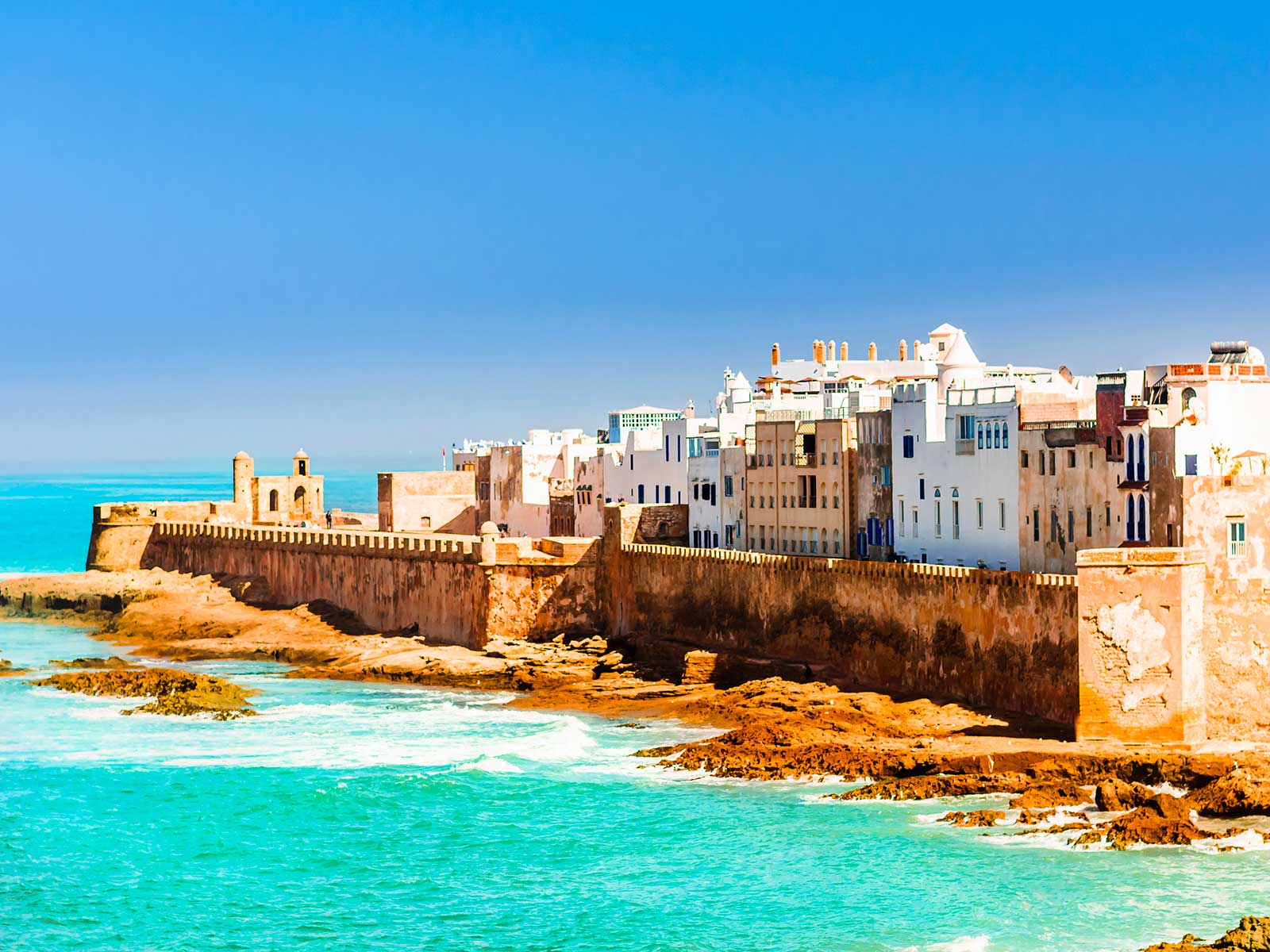
The port city of Essaouira is particularly renowned for its thuya wood products. This aromatic wood, native to the Atlas Mountains, is skillfully carved into intricate boxes, chess sets, furniture, and decorative items. The rich grain and distinctive scent make thuya wood souvenirs highly prized.
Spices, Argan Oil, and Culinary Delights
Morocco is a paradise for foodies. The spice souks offer an aromatic array of saffron, cumin, turmeric, and the famous Ras el Hanout blend. Pure argan oil, often called "liquid gold," is harvested from the argan tree and comes in both culinary and cosmetic grades. Look for authentic, cold-pressed versions, especially from women's cooperatives. Other delightful edibles include delicious dates, olives, and Amlou – a rich spread of argan oil, almonds, and honey.
Essential Souvenir Shopping Tips
The Art of Haggling
Haggling is an expected and integral part of the shopping experience in Moroccan souks. It's a friendly negotiation, not a confrontation. Start by offering around half to two-thirds of the initial asking price and work your way up. Be polite, patient, and prepared to walk away if you can't agree on a fair price – often, this will prompt a better offer.
Pro Tip:Decide on your maximum price before you start negotiating. This helps you stay within budget and avoid overpaying in the heat of the moment.
Quality and Authenticity
While many items are genuine, some may be mass-produced or of lower quality. Don't hesitate to ask about materials, origin, and the crafting process. For high-value items like carpets, consider visiting reputable fixed-price stores or cooperatives where authenticity is guaranteed, even if prices are slightly higher.
Payment and Currency
Cash (Moroccan Dirhams) is king in the souks, especially for smaller purchases. ATMs are widely available in cities, but it's wise to carry a mix of smaller denominations. Some larger shops may accept credit cards, but expect a surcharge or a less favorable exchange rate.
Shipping and Logistics
If you're buying large or fragile items, inquire about shipping services. Many reputable shops offer international shipping, but ensure you understand the costs, insurance, and delivery times upfront. Otherwise, pack wisely – many textiles and leather goods are surprisingly compact when folded.
When and Where to Shop
Mornings are generally less crowded, offering a more relaxed shopping atmosphere. While Marrakech Medina and Fes offer the widest selection of goods, other cities specialize:
- Essaouira: Thuya wood, argan oil, and coastal crafts.
- Chefchaouen: Woolen goods, hand-knitted items, and unique textiles in the blue city.
- Rabat and Casablanca: Offer a mix of traditional souks and modern boutiques.
- Tangier: Known for its vibrant markets and diverse goods influenced by its international port history.
Beyond the Souk: Modern Shopping and Artisan Cooperatives
While the souks offer an authentic experience, Morocco also has modern shopping centers and fixed-price boutiques, particularly in cities like Casablanca and Rabat. These can be good options if you prefer not to haggle or are looking for contemporary Moroccan designs. Additionally, seek out artisan cooperatives, especially for argan oil, saffron, or textiles. These cooperatives often support local communities, particularly women, ensuring fair wages and high-quality, authentic products.
Shopping in Morocco is more than just acquiring souvenirs; it's an integral part of experiencing the country's rich culture, interacting with its people, and bringing a piece of its magic home with you. Embrace the journey, enjoy the negotiations, and savor the discovery of truly unique Moroccan treasures.