
Must-Try Moroccan Food: A Culinary Journey Through Flavor
Moroccan cuisine is a vibrant tapestry woven from centuries of cultural exchange, reflecting Berber, Arab, Andalusian, and even French influences. Prepare your senses for an unforgettable adventure through aromatic spices, fresh ingredients, and time-honored cooking traditions that define this North African gem.
From bustling souks to tranquil riads, Morocco offers a gastronomic experience that delights every palate. Eating here isn't just about sustenance; it's a social ritual, a journey into the heart of Moroccan hospitality and heritage.
The Pillars of Moroccan Cuisine: Tagine & Couscous
Tagine: A Slow-Cooked Masterpiece
The tagine is perhaps the most iconic Moroccan dish, named after the distinctive conical clay pot in which it's slow-cooked. This method tenderizes meats and infuses ingredients with deep, complex flavors. You'll find countless variations across the country.
- Chicken Tagine with Preserved Lemon & Olives:A classic, combining succulent chicken with the tangy zest of preserved lemons and salty olives.
- Lamb or Beef Tagine with Prunes & Almonds:A sweeter, richer option featuring tender meat slow-cooked with dried prunes, often garnished with toasted almonds and a sprinkle of sesame seeds.
- Vegetable Tagine:A colorful and healthy choice, packed with seasonal vegetables like carrots, potatoes, zucchini, and chickpeas, often seasoned with turmeric, ginger, and cumin.
Couscous: The Friday Tradition
More than just a side dish, couscous is a staple and a celebratory meal in Morocco, traditionally served on Fridays after midday prayers. It consists of tiny steamed semolina grains, typically served with a rich stew of meat (often chicken, lamb, or beef) and a medley of vegetables like carrots, turnips, and pumpkin, all infused with saffron and ginger.
Fun Fact:The traditional way to eat couscous is with your right hand, forming small balls of the grains and stew. Don't be shy; many locals prefer it this way!
Beyond the Classics: Other Essential Dishes
Tangia: The "Bachelor's Dish" of Marrakech
Originating from Marrakech, Tangia is a slow-cooked, rich, and deeply flavorful meat dish, traditionally prepared by men. Lamb or beef, spiced with cumin, saffron, and preserved lemon, is sealed in an amphora-shaped clay pot and slow-roasted overnight in the dying embers of a public hammam oven. The result is incredibly tender, fall-off-the-bone meat.
Pastilla: The Sweet & Savory Pie
Pastilla (also spelled B'stilla) is an exquisite and elaborate pastry, often reserved for special occasions. Layers of delicate, paper-thin warqa dough encase a savory filling of shredded pigeon or chicken, spiced with ginger, saffron, and cinnamon, often combined with scrambled eggs and ground almonds. It's then dusted with powdered sugar and cinnamon, creating a unique sweet and savory flavor profile.
Harira: The Heartwarming Soup
Harira is a comforting and nutritious tomato-based soup, commonly enjoyed to break the fast during Ramadan, but available year-round. It's packed with lentils, chickpeas, vermicelli, and often lamb or beef, seasoned with herbs like cilantro and parsley, and a hint of lemon. It's a truly satisfying starter or light meal.
Brochettes: Grilled Perfection
You'll find brochettes (skewered and grilled meats) everywhere, from street stalls to formal restaurants. Typically made with marinated beef, lamb, or chicken, they are cooked over charcoal, resulting in a smoky, tender bite. Often served with fresh bread and a sprinkle of cumin and salt.
Seafood Delights
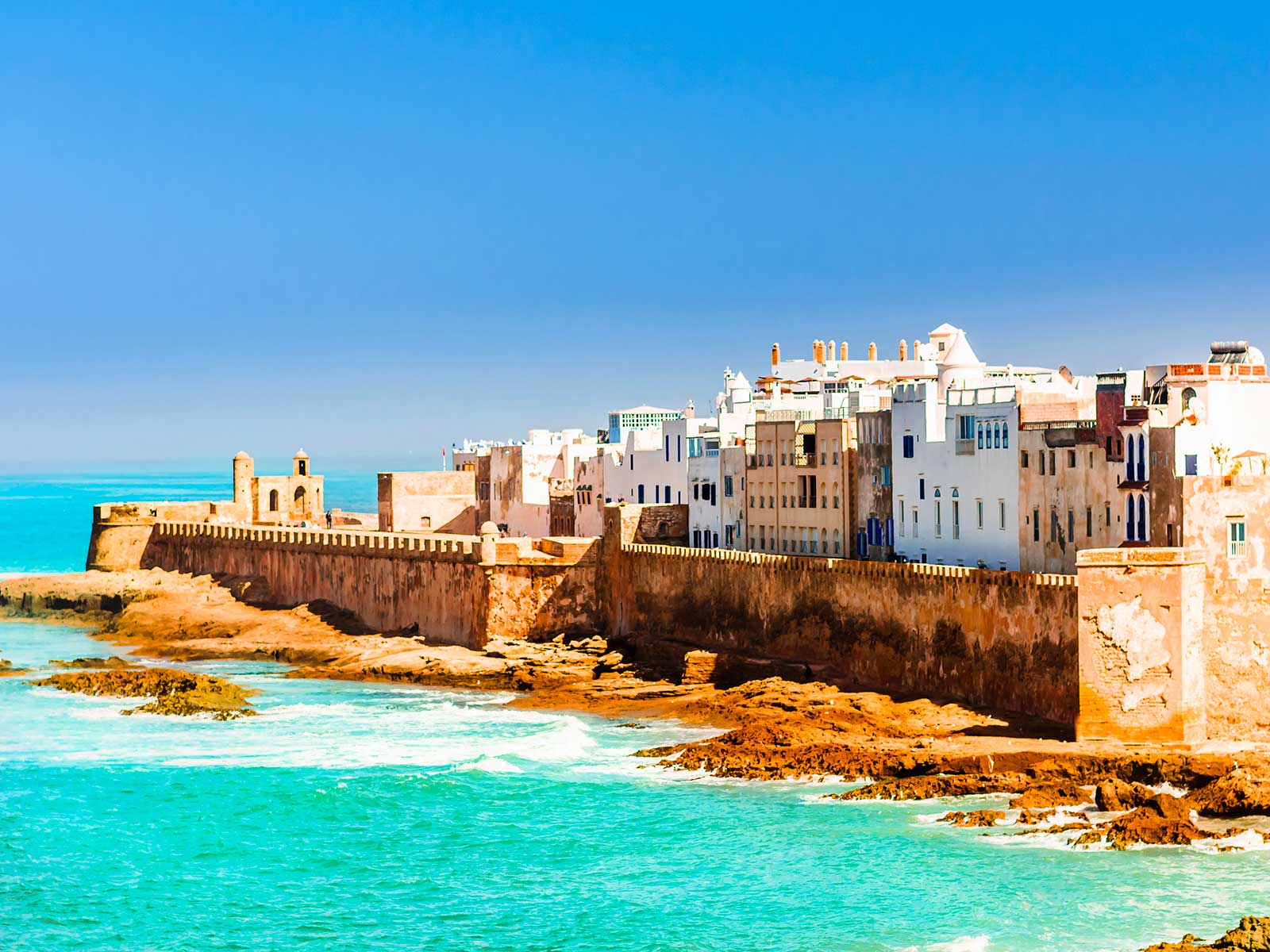
Given Morocco's extensive coastline, fresh seafood is a must-try, especially in coastal cities like Essaouira,Tangier, and Asilah. Expect freshly grilled fish, calamari, shrimp, and various seafood tagines, often prepared simply to let the natural flavors shine.
Street Food & Snacks: A Taste of Everyday Morocco
Exploring the vibrant streets and souks of cities like Fes and Marrakech Medina offers an endless array of delicious and affordable street food.
- Maakouda:Deep-fried potato fritters, often served with a spicy sauce.
- Sfenj:Moroccan doughnuts, light and airy, perfect for breakfast or a snack, often dipped in honey.
- Chebakia:Sesame cookies fried and then soaked in honey, a popular treat, especially during Ramadan.
- Msemen & Baghrir:Msemen are flaky, square-shaped fried flatbreads, while Baghrir are spongy pancakes with many small holes, both often served with honey and butter or jam.
- Olives & Bread:Every meal starts with an array of local olives and freshly baked bread, often khobz, a round, crusty loaf perfect for scooping up sauces.
Sweet Endings & Refreshing Drinks
Maghrebi Mint Tea: The National Drink
More than just a beverage, Moroccan mint tea is an act of hospitality and a daily ritual. Made with green tea, fresh mint leaves, and plenty of sugar, it's ceremonially poured from a height to create a frothy top. Refusing a glass is considered impolite.
Fresh Orange Juice
Morocco boasts incredibly sweet and juicy oranges. Freshly squeezed orange juice is readily available everywhere and is a refreshing pick-me-up.
Moroccan Pastries & Desserts
Beyond Chebakia, you'll find an array of small, intricate pastries, often made with almonds, honey, and sesame seeds. These delicate sweets are perfect with mint tea.
Where to Savor Moroccan Flavors
Local Restaurants & Cafes
From simple local eateries (often called "snacks") to more upscale restaurants in cities like Rabat or Casablanca, you'll find a range of dining experiences. Don't be afraid to venture into smaller, less touristy spots for authentic flavors.
Food Stalls in the Souks
The bustling night market of Djemaa el-Fna in Marrakech Medina is legendary for its food stalls, offering everything from grilled meats and tangia to snails and harira. Similarly, the ancient medina of Fes is a culinary maze waiting to be explored.
Riads & Guesthouses
Many riads offer exceptional home-cooked meals, providing an intimate and authentic dining experience. Often, you can arrange to have dinner prepared for you, showcasing traditional family recipes.
Cooking Classes
For a deeper dive, consider a cooking class. Available in cities like Marrakech and Fes, these classes often start with a market visit to select ingredients, followed by hands-on instruction in preparing several Moroccan dishes.
Tips for Your Culinary Journey
- Embrace the Spice:Moroccan food is aromatic and flavorful, but generally not overly spicy (hot). Chili is usually offered separately.
- Eat with Your Right Hand:If eating from a communal dish, use your right hand.
- Stay Hydrated:Drink plenty of bottled water, especially when exploring.
- Be Adventurous:Don't be afraid to try new things! Some of the best discoveries are made by stepping out of your comfort zone.
- Ask for Recommendations:Locals are often happy to suggest their favorite eateries or dishes.
- Food Hygiene:While generally safe, be mindful of where you eat. Opt for busy stalls with high turnover for street food.
Moroccan cuisine is a journey for the senses, a delightful exploration of flavors, aromas, and textures that tell the story of a rich and diverse culture. From the iconic tagine to the comforting mint tea, every bite and sip offers a taste of Morocco's warm hospitality. So, pack your appetite and prepare for a culinary adventure like no other!