
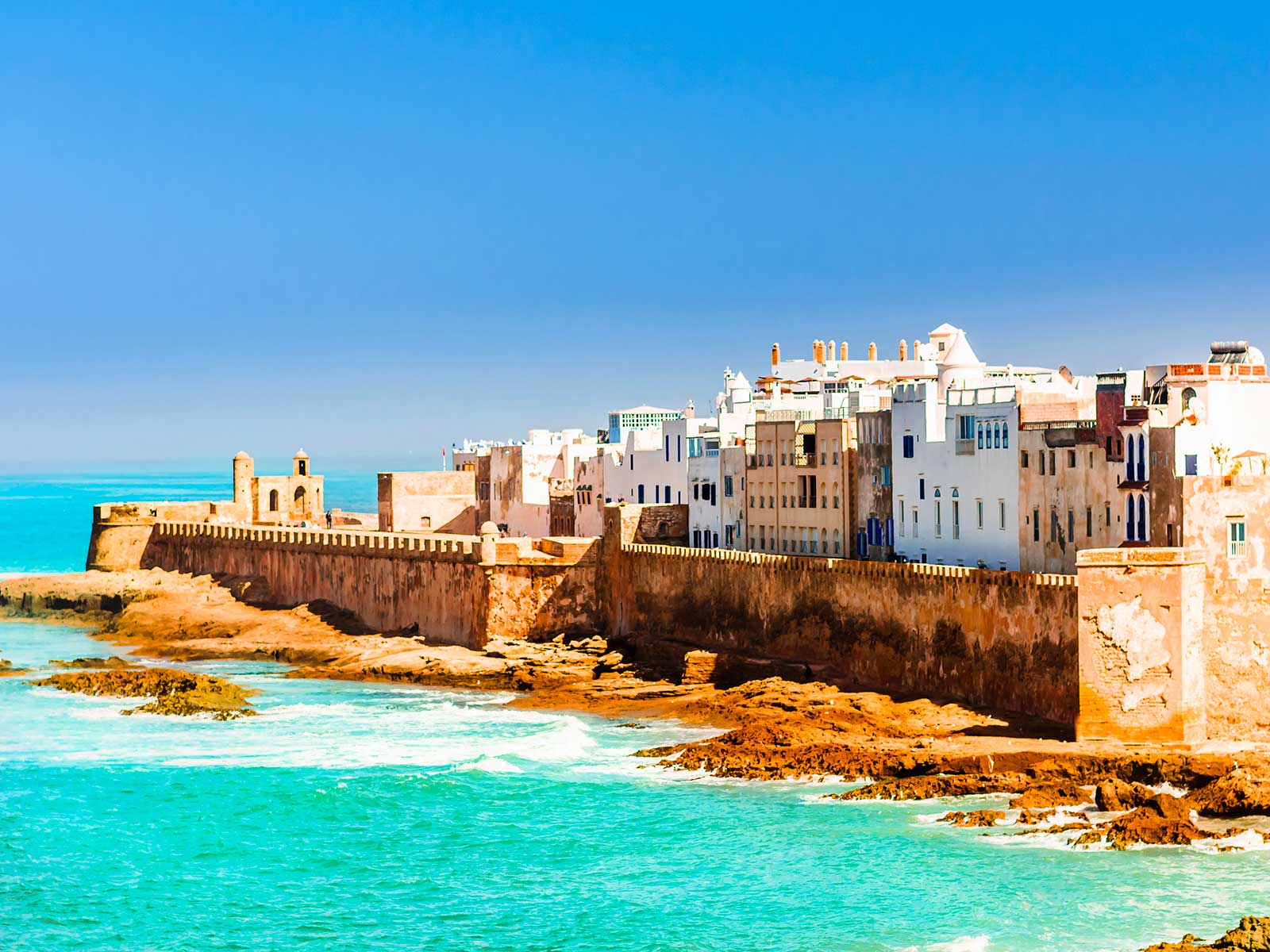
Morocco Travel Budget: How Much Money for a Memorable Trip?
Morocco, a land of vibrant souks, ancient medinas, and breathtaking landscapes, captivates travelers with its unique charm and diverse experiences. Planning your adventure inevitably leads to the question: "How much will it cost?" The good news is that Morocco offers incredible value, catering to a wide spectrum of budgets, from the savvy backpacker to the luxury seeker.
Unlocking the secrets of a Moroccan travel budget isn't about finding a single magic number; it's about understanding the variables that shape your journey. From the bustling streets of Marrakech to the tranquil blue alleys of Chefchaouen, your spending will reflect your choices in accommodation, dining, activities, and transportation. This guide will help you navigate these decisions, ensuring you have a memorable trip without breaking the bank or overspending where you don't need to.
Understanding Your Core Expenses
Accommodation: From Riads to Hostels
Your choice of lodging will significantly impact your overall budget.
- Budget Travelers:Hostels and guesthouses (daror basicriad) offer communal vibes and often include breakfast. These are plentiful, especially in popular cities like Fes and Marrakech.
- Mid-Range:Comfortable, well-appointed riads are a hallmark of Moroccan hospitality. These traditional houses, often with serene courtyards, provide an authentic and charming experience. You'll find a great selection in cities like Rabat or Essaouira.
- Luxury:High-end riads, boutique hotels, and international chains offer opulent amenities, gourmet dining, and personalized service, particularly in major hubs like Casablanca or Marrakech.
Consider staying slightly outside the main tourist zones for potentially better value, or booking in advance for popular times.
Food & Drink: A Culinary Adventure
Moroccan cuisine is a highlight for many travelers, and it can be incredibly affordable.
- Street Food & Local Eateries:Embrace the bustling food stalls and local restaurants (snackorcafé) for authentic and delicious meals. Tagines, couscous, harira soup, and fresh juices are staples and are very budget-friendly. This is the best way to experience local flavors without spending much.
- Mid-Range Restaurants:Many charming restaurants offer a more formal dining experience, often in beautiful riad settings, with varied menus that cater to both local and international tastes.
- Fine Dining:Major cities boast upscale restaurants providing refined Moroccan dishes and international cuisine, often with live music or entertainment, naturally at a higher price point.
Remember that alcohol can be difficult to find and more expensive outside of tourist-oriented establishments and international hotels.
Transportation: Getting Around Morocco
Moving between cities and within them offers various price points.
- Inter-city Travel:
- Buses:CTM and Supratours are reliable, comfortable, and affordable options for long-distance travel, connecting most major cities like Tangier,Fes, and Marrakech.
- Trains:The ONCF train network is efficient and comfortable, particularly for routes along the Atlantic coast and between major imperial cities.
- Grand Taxis:Shared long-distance taxis can be a quicker, though sometimes less comfortable, option for specific routes.
- Private Transfers/Car Rental:More convenient but a significant expense, ideal for exploring regions like the Dades Valley at your own pace.
- Within Cities:
- Walking:The best way to explore medinas.
- Petit Taxis:Small, metered taxis are common in cities. Always ensure the meter is used or agree on a price beforehand.
- Local Buses/Trams:Available in larger cities like Casablanca and Rabat, these are very economical.
Activities & Sightseeing: Experiences and Excursions
Morocco offers a wealth of experiences, some free, others requiring an investment.
- Free/Low Cost:Exploring medinas, people-watching in Jemaa el-Fna square in Marrakech, visiting local markets, and wandering through gardens or public parks. Many mosques and religious sites are accessible from the outside for non-Muslims.
- Mid-Range:Entrance fees to museums, historical sites, palaces, and gardens. Cooking classes, guided city tours, and short excursions (e.g., day trip to Essaouira from Marrakech).
- Higher Cost:Multi-day desert tours to places like Merzouga, guided trekking expeditions to Jebel Toubkal, hot air balloon rides, and private cultural experiences. These often represent the most significant portion of an activity budget.
Shopping & Souvenirs: The Art of Bargaining
From intricate leather goods to vibrant textiles and spices, shopping is an integral part of the Moroccan experience, especially in places like the souks of Fes.
The cost here is entirely up to you and your bargaining skills. Allocate a specific portion of your budget and be prepared to negotiate respectfully. Don't feel pressured to buy; enjoy the interaction.
Fun Fact:The traditional Moroccan bargaining process, known as "haggling," is considered an art form. It's not just about getting a good price, but also about the social interaction and respect between buyer and seller.
Miscellaneous & Contingency
Always factor in a buffer for unexpected expenses, tips (for guides, drivers, hotel staff), and small purchases. Having a contingency fund ensures peace of mind.
Factors Influencing Your Budget
Your Travel Style
Are you a backpacker focused on stretching every dollar, a mid-range traveler seeking comfort and authentic experiences, or a luxury tourist indulging in the finest Morocco has to offer? Your style dictates the baseline for all your spending categories.
Duration of Your Trip
Naturally, a longer trip will require a larger overall budget, but the daily average cost might decrease as you settle in and become more accustomed to local prices and ways to save.
Time of Year
Peak seasons (spring and autumn) see higher prices for accommodation and tours, especially in popular destinations. Traveling during the shoulder seasons or off-peak (e.g., summer, though it can be very hot in places like Ouarzazate or the desert) can offer better value.
Destinations Visited
Major tourist hubs like Marrakech and Casablanca generally have higher prices for everything compared to smaller towns or less-frequented areas like Asilah or the villages in the Atlas Mountains.
Tips for Saving Money on Your Moroccan Adventure
- Embrace Local Transport:Opt for buses and trains over private transfers for significant savings.
- Eat Like a Local:Seek out street food, local markets, and small snack shops for delicious and incredibly affordable meals.
- Haggle Respectfully:When shopping in the souks, bargaining is expected. Start low, be polite, and be prepared to walk away if you can't agree on a fair price.
- Free Activities:Spend time wandering medinas, enjoying public squares, and exploring markets. These experiences are often the most memorable and cost nothing.
- Travel Off-Season:If you can brave the summer heat or cooler winter evenings, you'll find better deals on flights and accommodation.
- Stay Hydrated:Buy large bottles of water from supermarkets rather than smaller, more expensive ones from tourist shops.
- Consider Group Tours:For desert trips or mountain treks, joining a small group can significantly reduce the per-person cost.
Is Morocco Expensive?
Morocco is often considered an affordable destination, especially when compared to European or North American travel. However, its cost ultimately depends on your travel choices. You can easily travel Morocco on a shoestring budget, stay comfortably in the mid-range, or indulge in luxurious experiences. The key is to define your priorities and allocate your funds accordingly.
Conclusion
Crafting your ideal Morocco travel budget is an exciting part of planning your journey. By understanding the main cost categories and considering your personal travel style, you can tailor an itinerary that perfectly balances experience with expenditure. Whether you're dreaming of a vibrant city break, a peaceful coastal retreat, or an adventurous desert trek, Morocco truly offers a memorable experience for every budget.