
Morocco Packing List: What to Bring for Every Season and Adventure
Preparing for a trip to Morocco requires thoughtful packing, given its incredible diversity in landscapes, climates, and cultural experiences. From the bustling medinas to the serene Sahara and the majestic Atlas Mountains, knowing what to bring will ensure a comfortable and respectful journey.
General Packing Principles for Morocco
Morocco's rich culture and varied geography mean that smart packing is essential. Keep these core principles in mind as you prepare for your adventure.
Respectful Attire
Morocco is a predominantly Muslim country, and dressing modestly is a sign of respect for local customs. While tourist areas are generally more lenient, it's advisable for both men and women to cover shoulders and knees, especially when visiting religious sites, rural areas, or walking through traditional medinas like the Marrakech Medina or in Fes. Loose-fitting clothing is also more comfortable in the heat.
Layering is Key
Due to significant temperature fluctuations between day and night, and across different regions, layering is crucial. Even in summer, evenings can be cool, especially in the desert or at higher altitudes. A light jacket or sweater will prove invaluable.
Comfort Over Fashion
You'll likely be doing a lot of walking, whether exploring ancient cities, hiking in the mountains, or traversing desert dunes. Prioritize comfortable, sturdy footwear over fashionable but impractical options.
Security and Practicality
While generally safe, it's wise to take precautions against petty theft. A money belt, copies of important documents, and a small, secure daypack can help safeguard your belongings.
Essential Items for Any Moroccan Journey
Regardless of the season or your specific itinerary, certain items are universally beneficial for a trip to Morocco.
Clothing
- Modest Tops:T-shirts, long-sleeved shirts, blouses that cover shoulders and cleavage. Lightweight, breathable fabrics like cotton or linen are best.
- Bottoms:Long skirts, loose-fitting trousers (linen or cotton), capris, or jeans. Avoid very short shorts.
- Scarf/Shawl:Incredibly versatile for women – for covering hair when entering mosques, sun protection, or added warmth in the evenings.
- Light Jacket/Sweater:Essential for cooler evenings, particularly in spring and autumn, and year-round in the mountains or desert.
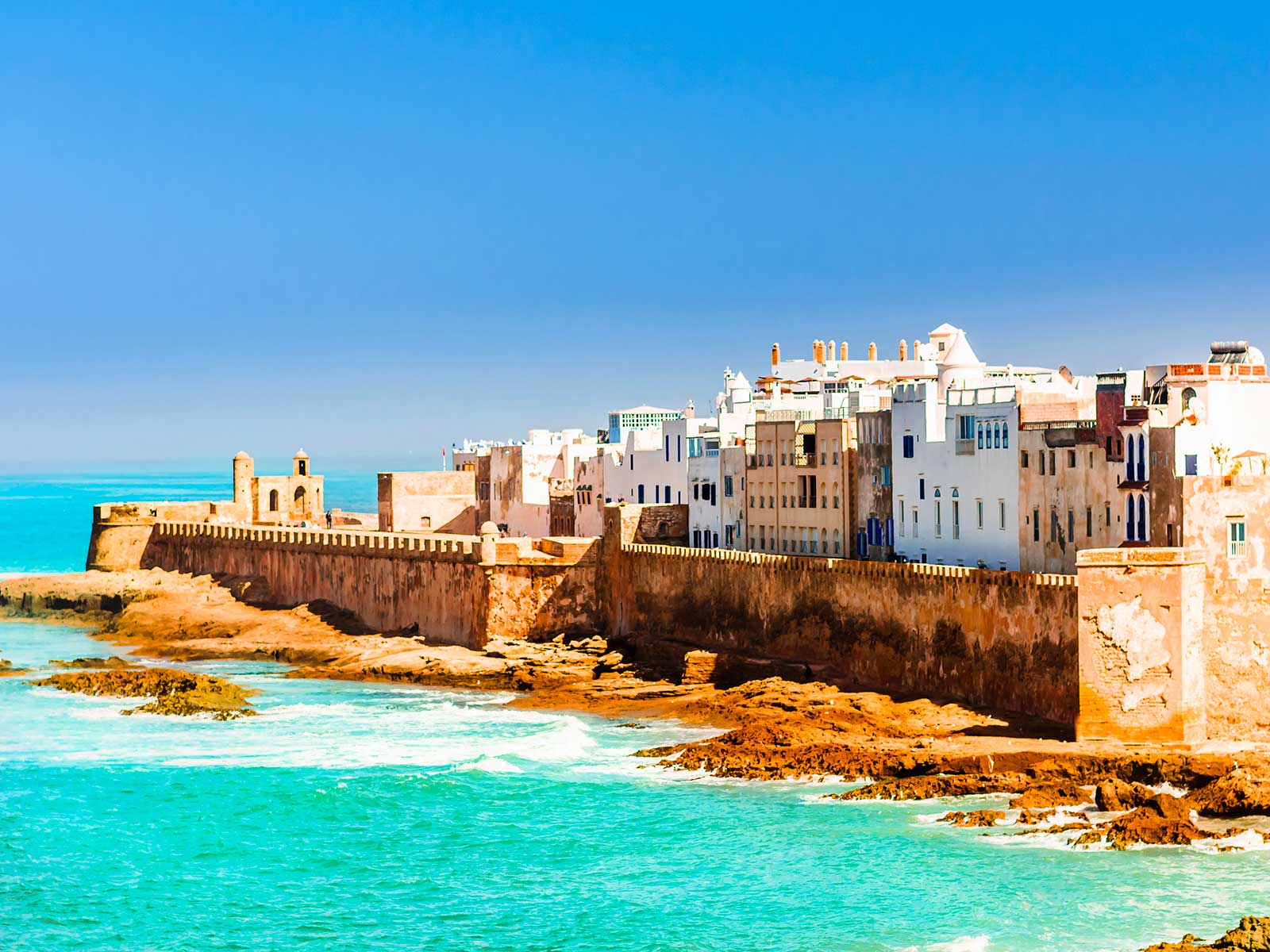
- Swimwear:If your accommodation has a pool or if you plan to visit coastal towns like Essaouira or Tangier.
- Comfortable Walking Shoes:Sneakers, sturdy sandals, or walking shoes are a must for exploring cobblestone streets, souks, and historical sites.
Health & Hygiene
- Basic First-Aid Kit:Include pain relievers, band-aids, antiseptic wipes, anti-diarrhea medication, and any personal prescription drugs.
- Hand Sanitizer:Useful when soap and water aren't readily available.
- Sun Protection:High SPF sunscreen, a wide-brimmed hat, and sunglasses are vital against the strong Moroccan sun.
- Insect Repellent:Especially if you're venturing into rural areas or staying near water.
Documents & Money
- Passport & Visa:Ensure your passport is valid for at least six months beyond your intended departure date, and check if you need a visa.
- Copies of Documents:Keep physical and digital copies of your passport, visa, flight tickets, and hotel reservations separate from the originals.
- Credit/Debit Cards & Cash:While cards are accepted in larger establishments, cash (Moroccan Dirhams) is essential for smaller purchases, markets, and rural areas. A money belt or secure pouch is recommended.
Electronics & Gadgets
- Universal Adapter:Morocco uses Type C/E plugs.
- Portable Power Bank:To keep your phone charged on the go, especially during long travel days or desert excursions.
- Camera & Extra Batteries:To capture the stunning landscapes and vibrant culture.
- Smartphone:For navigation, communication, and translation apps. Consider an eSIM or local SIM card.
Miscellaneous
- Reusable Water Bottle:Stay hydrated and reduce plastic waste. Tap water is generally not safe to drink, so you'll refill with filtered or bottled water.
- Small Backpack/Daypack:For daily excursions, carrying water, snacks, and essentials.
- Travel Towel:Lightweight and quick-drying, useful for various situations.
- Headlamp/Flashlight:Handy for navigating dimly lit medinas at night, camping in the desert, or during potential power outages.
Fun Fact:The traditional Moroccan scarf, known as a 'cheich' or 'tagelmust', is not just a fashion statement but a practical item worn by Berbers and Tuaregs to protect against sun, wind, and sand in the desert!
Seasonal Packing Considerations
Morocco experiences distinct seasons, each requiring specific adjustments to your packing list.
Spring (March-May) & Autumn (September-November)
These are often considered the best times to visit due to mild temperatures. Pack layers: light long-sleeved shirts, t-shirts, a light jacket or cardigan for evenings, and comfortable walking shoes. Sun protection is still important, especially for midday explorations in places like the Dades Valley.
Summer (June-August)
Summers can be extremely hot, especially inland in cities like Marrakech,Fes, or the desert regions around Merzouga and Ouarzazate. Focus on the lightest, loosest, most breathable clothing. Think cotton and linen. Prioritize sun hats, sunglasses, and high SPF sunscreen. Coastal areas like Essaouira,Tangier, and Asilah offer a welcome respite with cooler sea breezes.
Winter (December-February)
Winter in Morocco can be surprisingly cold, particularly in the evenings and in the Atlas Mountains. Pack warm layers: sweaters, fleece, a good waterproof and windproof jacket. A warm hat, gloves, and a scarf are essential, especially for desert nights in Merzouga or if you plan to visit Chefchaouen in the north where it can be damp. An umbrella or rain jacket is also advisable for the northern and coastal regions.
Adventure-Specific Packing
Tailor your packing further based on the specific activities you plan to undertake.
Desert Expeditions (e.g.,Merzouga)
- Clothing:Long, loose clothing to protect against the sun and sand during the day. Very warm layers (fleece, down jacket, thermal underwear) for surprisingly cold desert nights.
- Headwear:A wide-brimmed hat or a traditional shemagh/scarf for sun and sand protection.
- Footwear:Closed-toe shoes or light boots to keep sand out.
- Essentials:Headlamp, sunglasses, plenty of water.
Mountain Trekking (e.g.,Jebel Toubkal)
- Layered Hiking Gear:Base layers (wicking fabric), mid-layers (fleece), and an outer waterproof and windproof shell.
- Sturdy Hiking Boots:Broken-in and waterproof, with good ankle support.
- Warm Accessories:Hat, gloves, warm socks.
- Rain Gear:Waterproof jacket and trousers.
- Other:Trekking poles, backpack (30-40L), water bladder, high-energy snacks.
Coastal Escapes (e.g.,Essaouira,Tangier)
- Swimwear:For beach days or hotel pools.
- Light Jacket/Sweater:Even in summer, coastal evenings can be breezy.
- Sandals/Flip-flops:For the beach.
- Beach Towel:If not provided by your accommodation.
What NOT to Pack
- Excessive Valuables:Leave expensive jewelry or irreplaceable items at home.
- Overly Revealing Clothing:While you might see some tourists in shorter attire, it's generally best to avoid very short shorts, mini-skirts, or bare midriffs out of respect.
- Heavy Books:Opt for an e-reader to save space and weight.
- High Heels:Impractical and uncomfortable on Morocco's often uneven streets.
By packing smartly and considering Morocco's diverse climates and cultural nuances, you'll be well-prepared for an unforgettable adventure. Enjoy your journey through this captivating country!