
Moroccan Hammam Experience: A Guide to Traditional Relaxation
Stepping into a Moroccan hammam is more than just a bath; it's a centuries-old tradition, a ritual of cleansing, relaxation, and communal gathering deeply woven into the fabric of Moroccan culture. This comprehensive guide will navigate you through the authentic hammam experience, ensuring you're prepared for this unforgettable journey of rejuvenation.
What Exactly is a Hammam?
At its heart, a hammam is a traditional public bathhouse, similar to ancient Roman baths or Turkish baths. It serves not only as a place for physical cleansing but also as a social hub, where friends and family gather to relax, converse, and unwind. Historically, with many homes lacking private bathing facilities, hammams were essential community spaces, and they remain so today, offering a unique glimpse into local life.
The experience typically involves a series of warm, steamy rooms designed to open pores, followed by a vigorous scrub, and often a soothing wash. It’s a holistic practice aimed at purifying both body and mind, leaving you feeling incredibly clean and refreshed.
The word "hammam" translates to "spreader of heat" in Arabic, aptly describing the warm, steamy environment central to the experience.
The Hammam Ritual: A Step-by-Step Guide
While variations exist, especially between public hammams and luxurious private spas, the core ritual remains consistent. Here’s what you can expect:
Step 1: Entering the Warmth
Upon arrival, you'll enter the changing room (often separate for men and women). You'll typically strip down to your swimwear or underwear. In a public hammam, you might wrap yourself in a small towel or sarong. You then move into the initial warm, humid room, allowing your body to acclimatize to the heat and your pores to open.
Step 2: The Cleansing Process Begins
You'll start by rinsing your body with warm water. Then, a generous application ofsavon noir(black soap) will be applied all over your body. This olive oil-based soap is renowned for its moisturizing and exfoliating properties. You'll let it sit on your skin for 5-10 minutes, allowing it to soften the skin and prepare it for exfoliation.
Step 3: Exfoliation with the Kessa Glove
This is arguably the most defining part of the hammam experience. After rinsing off the black soap, a hammam attendant (or you, if you're in a self-service public hammam) will use a coarse exfoliating glove called akessa. With firm, circular motions, they will scrub away dead skin cells from head to toe. Don't be surprised by the amount of dead skin that comes off – it’s a sign the ritual is working!
Step 4: Rinsing and Rhassoul Clay
After the vigorous scrub, you'll be thoroughly rinsed with buckets of warm water. Many hammam experiences then include the application ofghassoulorrhassoulclay. This natural mineral clay, mined from the Atlas Mountains, is mixed with water (and sometimes argan oil or rosewater) to form a paste. It's applied to the body and hair, acting as a deep cleanser, detoxifier, and conditioner. After allowing it to dry slightly, it's rinsed off, leaving your skin incredibly soft and smooth.
Step 5: Relaxation and Rehydration
Once the cleansing is complete, you'll typically move to a cooler relaxation area. Here, you're encouraged to rest, rehydrate with refreshing mint tea, and allow your body to cool down gradually. Many private hammams also offer an optional massage with argan oil at this stage, providing a final touch of indulgence.
Public Hammams vs. Private Spas: Choosing Your Experience
Morocco offers two distinct types of hammam experiences, each with its own charm:
The Authentic Public Hammam
Public hammams are the traditional, communal bathhouses frequented by locals. They are segregated by gender (either separate facilities or different operating hours for men and women) and are a truly authentic cultural immersion. Expect a bustling, social atmosphere, often with women helping each other scrub. You’ll typically need to bring your own supplies: a bucket, scoop,savon noir,kessaglove, shampoo, towel, and change of clothes.
These can be found in abundance in cities like Fes and within the bustling Marrakech Medina, offering a raw, unfiltered glimpse into Moroccan daily life.
Luxurious Private Hammam & Spa
For those seeking a more pampered and private experience, many hotels, riads, and dedicated spas offer private hammam services. These are often more upscale, with professional attendants guiding you through the entire process, providing all the necessary products, and sometimes including additional treatments like massages. They offer a serene, tranquil environment, perfect for ultimate relaxation.
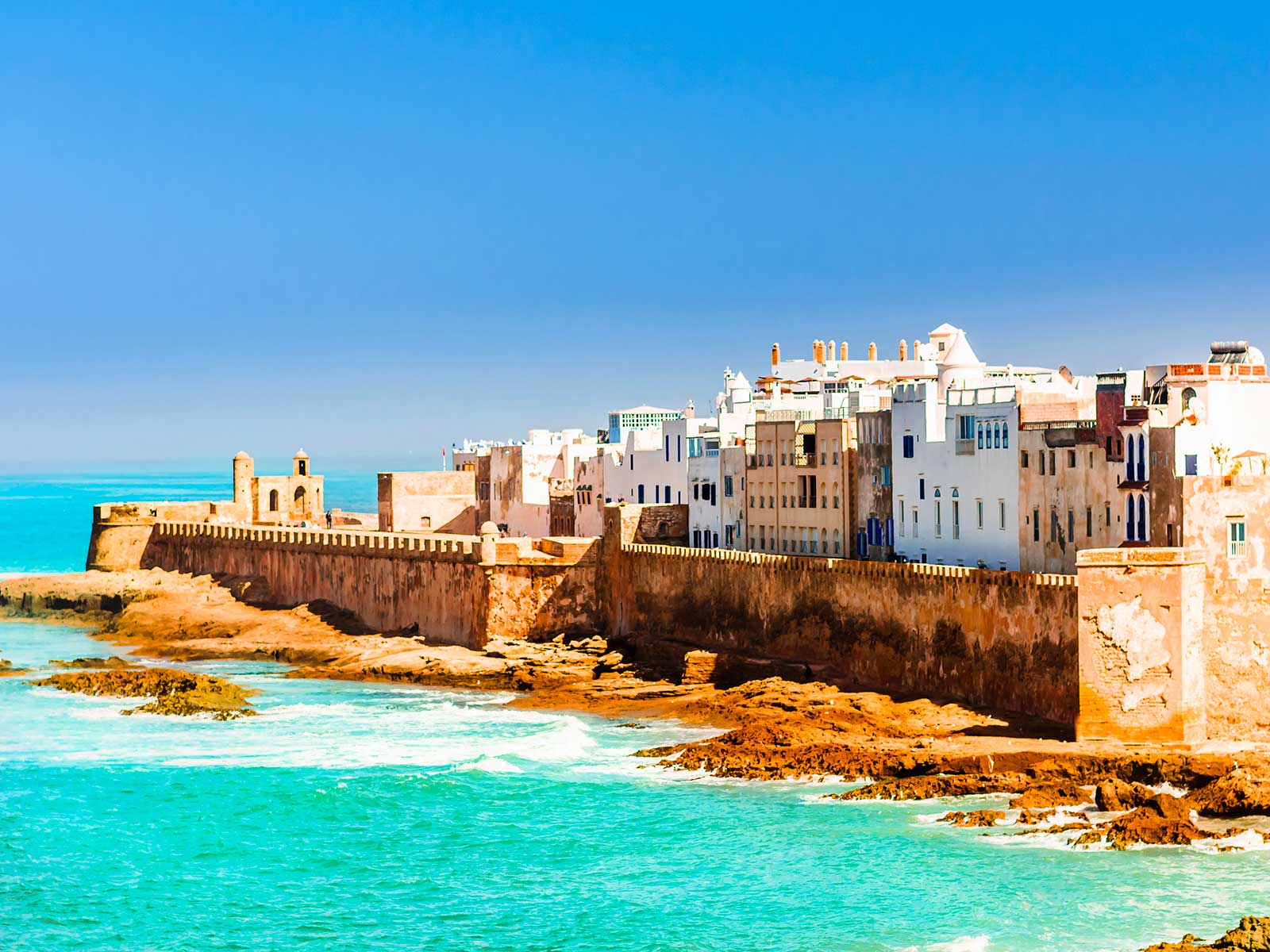
You'll find exquisite private hammams in cities known for their luxury accommodations, such as Casablanca,Rabat, and the coastal charm of Essaouira.
Essential Tips for Your First Hammam Visit
- What to Bring (Public Hammam):For a public hammam, pack a swimsuit or modest underwear, a towel, a change of clothes, a small bucket and scoop (if not provided),savon noir, akessaglove, shampoo, and shower gel. Private spas usually provide everything.
- Etiquette & Modesty:Public hammams are gender-segregated. While nudity isn't uncommon in the women's section, it's respectful to wear swimwear or underwear. Be mindful of noise levels; it's a place for relaxation.
- Hydrate:The heat and steam can be dehydrating. Drink plenty of water before and after your hammam.
- Don't Shave Beforehand:Exfoliation immediately after shaving can irritate the skin. It's best to wait a day or two.
- Communicate:If you're sensitive to strong scrubbing, don't hesitate to politely communicate this to your attendant.
- Relax:Embrace the experience. It's meant to be therapeutic and rejuvenating. Don't rush it.
The Health Benefits of a Hammam
Beyond cultural immersion, the hammam offers numerous health advantages:
- Skin Detoxification:The steam opens pores, allowing for deep cleansing and removal of toxins. The intense exfoliation removes dead skin, leaving it incredibly soft and radiant.
- Improved Circulation:The heat and various temperature changes stimulate blood flow, promoting better circulation.
- Muscle Relaxation:The warm, humid environment helps to soothe tired muscles and ease tension, making it an excellent remedy after a long day of exploring or hiking (perhaps after a trek up Jebel Toubkal).
- Stress Reduction:The ritualistic nature and tranquil atmosphere contribute to mental relaxation, reducing stress and promoting a sense of well-being.
- Respiratory Benefits:The steam can help clear nasal passages and ease respiratory congestion.
Where to Find a Hammam in Morocco
Hammam culture thrives across Morocco, from bustling imperial cities to charming coastal towns. You'll easily find options, whether traditional public baths or luxurious spa experiences, in popular destinations such as Marrakech,Fes, the blue city of Chefchaouen, the windy city of Essaouira, the capital city of Rabat, the vibrant Casablanca, and the historic port of Tangier. Each location offers a slightly different flavor of this timeless tradition.
A Moroccan hammam experience is an essential part of any visit to the country. It's more than just a bath; it's a journey into the heart of Moroccan hospitality and a profound ritual of self-care. Prepare to emerge feeling utterly refreshed, revitalized, and deeply connected to an ancient tradition.