
Moroccan Festivals and Celebrations: Experiencing Local Traditions
Morocco pulsates with a vibrant calendar of festivals and celebrations, offering a deep dive into its rich cultural tapestry. From ancient religious observances to spirited harvest celebrations and world-renowned music festivals, these events are a window into the soul of the nation. Prepare to be captivated by the rhythm, color, and hospitality that define Morocco's festive spirit.
The Heartbeat of Moroccan Culture: Why Festivals Matter
Festivals in Morocco are more than just public holidays; they are vital expressions of community, faith, and heritage. They serve as gathering points for families, opportunities to showcase traditional arts and crafts, and moments to reinforce social bonds. Whether rooted in Islamic tradition, Berber customs, or agricultural cycles, each celebration tells a unique story of Morocco's diverse identity.
Key Religious Festivals: Dates of Significance
Islamic holidays in Morocco follow the lunar Hijri calendar, meaning their dates shift annually relative to the Gregorian calendar. Planning around these can offer profound cultural experiences, but also requires flexibility as many businesses may close or operate on reduced hours.
- Eid al-Fitr (Festival of Breaking the Fast):Marks the end of Ramadan, a month of fasting. This is a joyful time of family gatherings, feasting, and gift-giving, celebrated with special prayers and visits to relatives.
- Eid al-Adha (Feast of Sacrifice):Commemorates Abraham's willingness to sacrifice his son. Families often sacrifice a sheep, sharing the meat with family, friends, and those in need. It's a deeply spiritual and communal event.
- Mawlid an-Nabi (Birthday of the Prophet Muhammad):Celebrated with religious gatherings, storytelling, and charitable acts. Cities like Fes and Meknes often host elaborate ceremonies and processions.
Travel Tip:If planning a trip during a major religious holiday, book accommodation and transport well in advance. Be aware that public services and some shops may be closed, but the cultural experience can be incredibly rewarding.
Cultural and Seasonal Festivals: A Kaleidoscope of Experiences
Beyond religious observances, Morocco hosts an array of secular and seasonal festivals that highlight its artistic, agricultural, and historical wealth.
The Rose Festival (Kelaat M'Gouna)
Held annually in May, the Rose Festival transforms the town of Kelaat M'Gouna, nestled in the Dades Valley, into a fragrant paradise. Celebrating the harvest of Damascus roses used for rosewater and essential oils, the festival features vibrant parades, traditional music, dancing, and the crowning of a "Rose Queen." It's a truly sensory experience amidst stunning landscapes.
Fes Festival of World Sacred Music (Fes)
Each June, the ancient city of Fes becomes a global stage for spiritual harmony. The Fes Festival of World Sacred Music brings together musicians and artists from around the globe to perform in historic venues, including the Bab Makina courtyard and garden of Jnan Sbil. It's a profound celebration of peace and spirituality through diverse musical traditions.
Gnaoua World Music Festival (Essaouira)
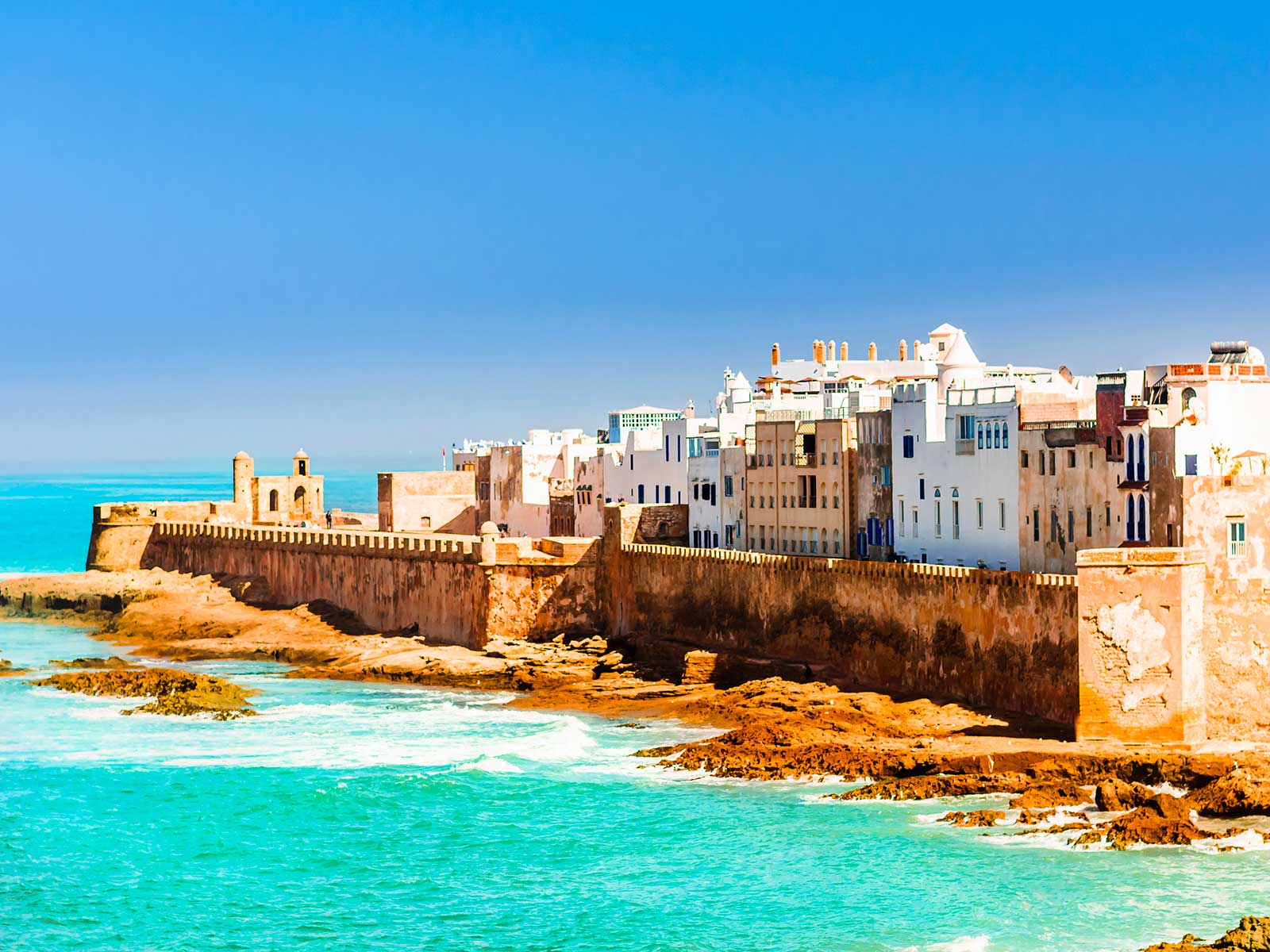
Usually taking place in June, this electrifying festival in the coastal city of Essaouira is a magnet for music lovers. It celebrates Gnaoua music, a unique blend of African, Berber, and Arabic rhythms with spiritual roots. The festival hosts international jazz, blues, and reggae artists who collaborate with Gnaoua masters, creating an unforgettable fusion of sounds against the backdrop of the Atlantic Ocean.
Imilchil Marriage Festival (High Atlas Mountains)
A unique and ancient Berber tradition, the Imilchil Marriage Festival takes place in September in the heart of the High Atlas Mountains. This annual gathering sees various Berber tribes come together, originally to allow young men and women to meet and find partners. It's a fascinating display of traditional Berber attire, music, dance, and a rare glimpse into a distinct way of life in remote mountain communities, not far from the peaks of Jebel Toubkal.
Date Festival (Erfoud & Rissani)
In October, as the date palms ripen, the towns of Erfoud and Rissani, near the desert dunes of Merzouga, host their annual Date Festival. This harvest celebration features lively markets, traditional music, and camel races. It's a chance to taste some of the finest dates in the world and experience the vibrant culture of the Moroccan Sahara.
Tan-Tan Moussem
Recognized by UNESCO as an Intangible Cultural Heritage, the Tan-Tan Moussem is an annual gathering of Sahrawi nomadic tribes in June. Held in the southern town of Tan-Tan, it showcases traditional nomadic culture through camel races, horse shows, musical performances, storytelling, and craft markets. It's a powerful expression of desert heritage.
Marrakech Popular Arts Festival (Marrakech)
Held in July, this festival transforms the vibrant Marrakech Medina, particularly the Djemaa el-Fna square, into an open-air stage. Storytellers, snake charmers, acrobats, musicians, and dancers from across Morocco converge, offering mesmerizing performances that highlight the country's rich artistic traditions.
Almond Blossom Festival (Tafraoute)
Every February, the Tafraoute region in the Anti-Atlas Mountains celebrates the arrival of spring with the Almond Blossom Festival. The valleys burst into a spectacular display of white and pink blossoms, celebrated with music, dance, and traditional Berber cuisine. It's a beautiful, serene festival showcasing the natural beauty of Morocco.
Tips for Attending a Moroccan Festival
To make the most of your festival experience, consider these practical tips:
- Plan Ahead:Festival times and dates can sometimes shift, especially for smaller, local events. Verify dates with local tourism offices or reliable sources.
- Book Accommodation:Popular festivals draw large crowds, so hotels and riads can book up quickly. Secure your lodging well in advance.
- Dress Respectfully:Morocco is a conservative country. Opt for modest clothing that covers shoulders and knees, especially during religious festivals or in rural areas.
- Embrace the Crowds:Festivals are often bustling and energetic. Be prepared for large gatherings and a lively atmosphere.
- Stay Hydrated:Especially during summer festivals, the Moroccan sun can be intense. Drink plenty of water.
- Learn Basic Phrases:A few words of Darija (Moroccan Arabic) or Berber can go a long way in connecting with locals and showing respect.
- Photography Etiquette:Always ask for permission before taking photos of individuals, especially women and children. Be respectful if someone declines.
Conclusion
Attending a Moroccan festival is an unparalleled way to connect with the country's heart and soul. From the spiritual solemnity of religious observances to the exuberant energy of music and harvest celebrations, these events offer a profound and memorable insight into local traditions. By planning thoughtfully and approaching with an open mind, you'll discover why Morocco's festive spirit is truly one of its greatest treasures.