
Is Morocco Safe for Tourists? Essential Tips for a Worry-Free Trip
Morocco, a land of vibrant souks, ancient medinas, and breathtaking landscapes, beckons travelers with its unique charm and rich culture. While many dream of exploring its wonders, a common question arises: "Is Morocco safe for tourists?" The answer, like many travel destinations, is a resoundingyes, provided you travel with awareness and respect for local customs.
Understanding Safety in Morocco: A General Overview
Overall, Morocco is a very safe country for tourists. The Moroccan government prioritizes tourism and maintains a strong security presence, particularly in major tourist areas. Violent crime against tourists is rare, and most visits are trouble-free. The primary concerns for travelers are typically petty theft, scams, and cultural misunderstandings rather than serious criminal activity.
Government Advisories and Local Realities
Most international governments advise their citizens to exercise a normal degree of caution when visiting Morocco, similar to many other popular tourist destinations worldwide. While global events can sometimes prompt increased vigilance, the daily reality for tourists on the ground remains largely stable and welcoming. Being informed about current events through official government travel advisories is always a good practice before any international trip.
Common Concerns and How to Navigate Them
To ensure a smooth and enjoyable trip, it's wise to be prepared for the minor inconveniences that can arise. Here's a breakdown of common concerns and practical advice:
1. Petty Theft and Pickpocketing
Like any busy tourist destination, pickpocketing and bag snatching can occur, especially in crowded areas. The bustling souks of Marrakech Medina, the intricate alleyways of Fes, and public transportation hubs are prime locations for opportunistic thieves.
- Keep Valuables Secure:Use a money belt or a cross-body bag worn to the front. Avoid flashing expensive jewelry or electronics.
- Be Aware of Your Surroundings:Pay attention in crowded areas. Avoid putting phones or wallets in back pockets.
- Carry Copies:Keep photocopies or digital images of your passport and important documents separate from the originals.
2. Scams and Hustlers
One of the most frequent complaints from tourists involves persistent touts, unofficial guides, and various scams. These are generally non-violent but can be annoying and, in some cases, result in overpaying for goods or services.
"A common scam involves someone telling you a landmark or road is 'closed' or 'only open to locals' to redirect you to a specific shop or unofficial guide. Politely decline and continue on your way."
- False Guides:In medinas, you might encounter individuals offering to guide you for free, only to demand payment or take you to shops where they earn commission. If you want a guide, hire one through your hotel or a reputable agency.
- Tannery "Helpers":In Fes, especially near the tanneries, people may offer mint sprigs (to combat the smell) and then demand payment. You can often buy mint yourself or simply decline.
- Bargaining:Haggling is a part of Moroccan culture, particularly in markets. Engage in it good-naturedly, but know your limits and be prepared to walk away if the price isn't right.
3. Verbal Harassment and Catcalling
While often not threatening, women traveling solo or in groups may experience catcalling or unwanted attention, particularly in larger cities. This is more of a cultural nuisance than a direct safety threat.
- Dress Modestly:Covering shoulders and knees can help minimize unwanted attention, especially in conservative areas.
- Ignore or Decline Firmly:Often, the best response is to ignore catcalls. If approached, a firm "No, thank you" (La shukran) or "Go away" (Imshi) delivered confidently is usually effective.
- Walk with Purpose:Appearing confident and knowing where you're going (even if you don't) can deter some approaches.
4. Driving and Transportation
Moroccan roads can be chaotic, especially in urban areas. Driving standards differ from Western countries, and pedestrians often don't have the right of way.
- Taxis:Agree on a price beforehand or ensure the meter is used (especially with "petit taxis" for intra-city travel). "Grand taxis" are for inter-city travel or shared rides.
- Trains:Morocco's train system is efficient and a comfortable way to travel between major cities like Casablanca,Rabat,Fes, and Marrakech.
- Organized Tours:For trips to more remote areas like the Sahara Desert (Merzouga) or the Atlas Mountains (Jebel Toubkal,Dades Valley), hiring a reputable tour company with an experienced driver is highly recommended.
5. Food and Water Safety
Experiencing Moroccan cuisine is a highlight, but it's important to be mindful of hygiene.
- Drink Bottled Water:Tap water is generally not safe for drinking. Use bottled water for drinking and brushing teeth.
- Street Food:While delicious, choose vendors with high turnover and visible cooking processes. Trust your gut feeling about cleanliness.
- Wash Hands:Carry hand sanitizer, especially when eating street food.
Safety in Specific Moroccan Destinations
While general safety advice applies across the board, certain locations have their own unique vibes and considerations:
- Major Cities (Marrakech,Fes,Casablanca,Tangier):These bustling hubs require higher vigilance against petty crime and scams due to larger crowds. The medinas, while enchanting, are labyrinthine and can be disorienting, making unofficial guides more of a nuisance.
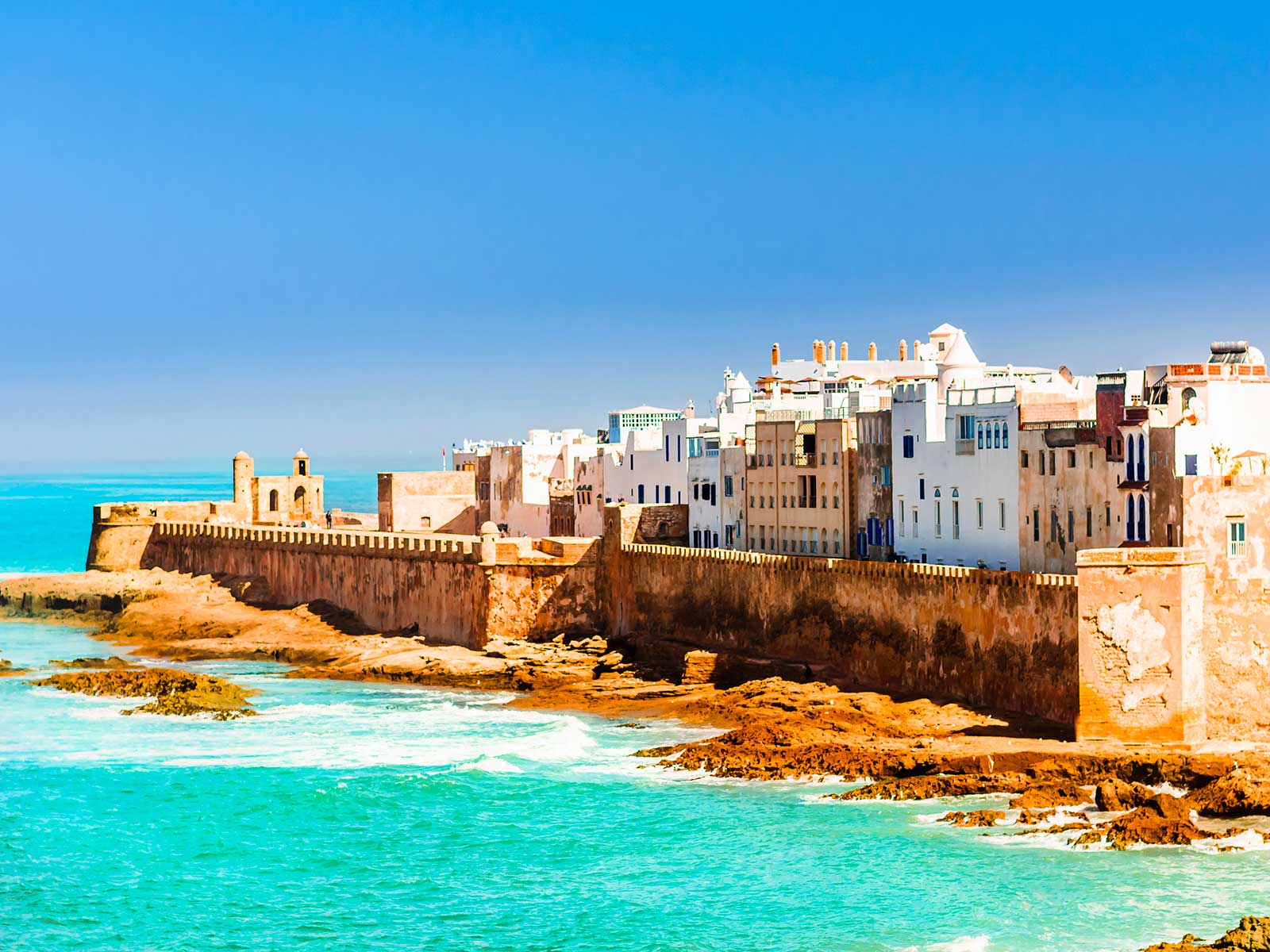
- Coastal Towns (Essaouira,Asilah):Generally more relaxed and laid-back. Petty crime is still a possibility, but the atmosphere is often calmer.
- Mountain & Desert Regions (Jebel Toubkal,Merzouga,Dades Valley,Ouarzazate):These areas are typically very safe with low crime rates. The main considerations here are respecting the environment, having appropriate gear for activities like trekking, and hiring experienced local guides for desert excursions or mountain climbs.
- Chefchaouen(The Blue City):Known for its serene beauty and relaxed pace, it's generally considered very safe for tourists, making it a popular and tranquil stop.
Essential Tips for a Worry-Free Moroccan Trip
Beyond specific concerns, here are overarching tips to enhance your safety and enjoyment:
- Be Respectful of Local Culture:Morocco is a Muslim country. Dressing modestly, especially when visiting religious sites, and being mindful of local customs will go a long way in ensuring a positive experience.
- Learn Basic Phrases:A few words of Arabic (e.g.,Salam alaikum- hello,Shukran- thank you,La- no) or French can be incredibly helpful and appreciated.
- Trust Your Instincts:If a situation feels off, it probably is. Don't hesitate to remove yourself.
- Travel Insurance:Always invest in comprehensive travel insurance that covers medical emergencies, trip cancellations, and theft.
- Stay Connected:Consider purchasing a local SIM card for easy access to maps and emergency services. Share your itinerary with someone back home.
- Night Safety:While generally safe, it's always wise to be extra vigilant at night, especially in dimly lit or deserted areas. Use reputable taxis or walk with others.
- Solo Female Travelers:Morocco is increasingly popular for solo female travelers. While generally safe, extra precautions regarding dress code, assertive communication, and avoiding isolated areas at night are recommended. Consider joining group tours for certain activities.
Embrace the Moroccan Adventure
Morocco is an incredibly rewarding destination, offering a tapestry of experiences from the bustling souks of Marrakech to the peaceful blue streets of Chefchaouen and the vast dunes of Merzouga. By being informed, practicing common-sense precautions, and embracing the rich culture with an open mind, you can navigate any minor challenges and enjoy a truly unforgettable and worry-free Moroccan adventure. Your safety is paramount, but a little preparation goes a long way in unlocking the magic of this captivating North African gem.