
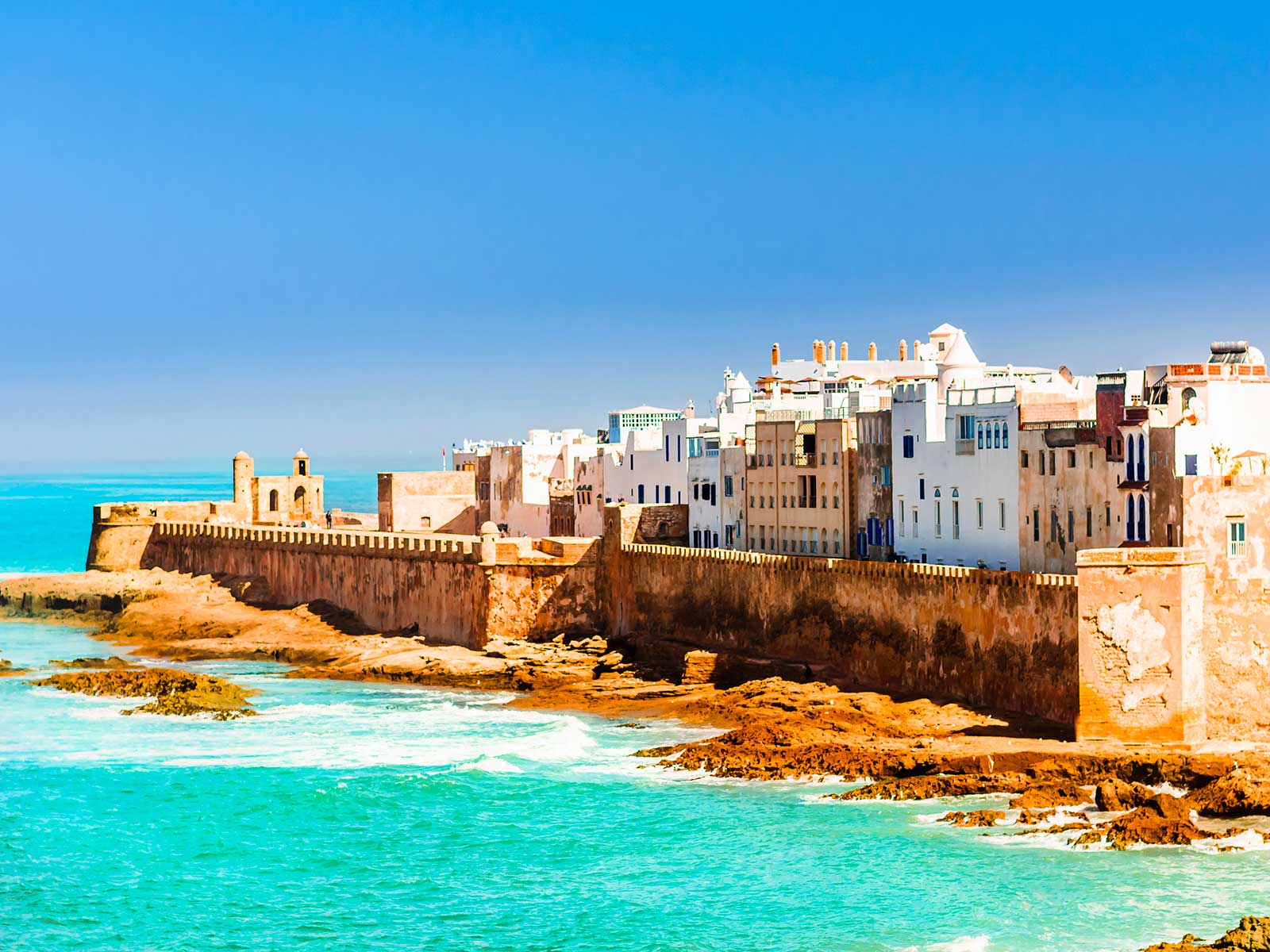
Fes Travel Guide: Discovering the Ancient Imperial City
Step into a living museum where ancient traditions meet vibrant street life. Fes, Morocco's spiritual and cultural heart, offers an unparalleled journey into the past, inviting travelers to explore its labyrinthine medina, historic tanneries, and magnificent madrasas. Prepare to be captivated by the sensory symphony of this UNESCO World Heritage site.
Why Visit Fes? A Journey Back in Time
Fes stands as Morocco's oldest imperial city, a testament to centuries of rich history, profound learning, and intricate craftsmanship. Unlike the more cosmopolitan vibes of Casablanca or the bustling energy of Marrakech, Fes offers an authentic, unfiltered experience of traditional Moroccan life. Its medina, Fes el-Bali, is a sprawling, car-free maze, a place where time seems to stand still, and every turn reveals another hidden gem, from bustling souks to serene courtyards.
Here, the ancient crafts of leather tanning, pottery, and weaving continue much as they have for generations. Fes isn't just a destination; it's an immersion into a unique cultural tapestry, a city that proudly guards its heritage while welcoming the curious traveler.
Getting There and Getting Around
Arriving in Fes
Fes is well-connected and accessible. The Fes-Saïss Airport (FEZ) serves international and domestic flights, with taxis readily available for the short journey into the city. For those traveling within Morocco, train is a comfortable and scenic option, with frequent services from major cities like Rabat,Casablanca, and Marrakech. Public buses (CTM and Supratours) also offer reliable connections from various parts of the country.
Navigating the Fes Medina (Fes el-Bali)
The true heart of Fes is its ancient medina, Fes el-Bali, a vast pedestrian zone where cars are obsolete. Getting around here is an experience in itself:
- Walking:This is the primary mode of transport. Wear comfortable shoes and be prepared for uneven surfaces, narrow alleys, and countless steps.
- Donkeys and Mules:These animals are the workhorses of the medina, transporting goods through passages too narrow for vehicles. Always be aware of them, especially when you hear a cry of "Balak!" (watch out!).
- Hiring a Guide:For first-time visitors, a licensed local guide is highly recommended. They can navigate the labyrinthine streets, explain the history, and lead you to hidden workshops and attractions, saving you from getting hopelessly lost (though getting lost can also be part of the adventure!).
Fun Fact:Fes el-Bali is considered the world's largest car-free urban area, a UNESCO World Heritage site that has preserved its ancient structure for over a millennium.
Must-See Attractions in Fes
Chouara Tannery
No visit to Fes is complete without experiencing the iconic Chouara Tannery. This vast, open-air complex of stone vats filled with colorful dyes has been operating since the 11th century. Witnessing the traditional leather-making process – from treating hides to dyeing them naturally – is a truly unforgettable, albeit pungent, sensory experience. Head to one of the surrounding leather shops for a prime panoramic view (they often provide fresh mint sprigs to help with the smell).
Al-Attarine Madrasa and Bou Inania Madrasa
These exquisite Islamic schools are masterpieces of Moroccan architecture. The Al-Attarine Madrasa, built in the 14th century, is renowned for its intricate zellige tilework, carved cedarwood, and delicate stucco. The Bou Inania Madrasa, another stunning example, features a beautiful green-tiled minaret and a unique ablution fountain. Non-Muslims are permitted to enter these madrasas, offering a chance to appreciate their serene beauty and historical significance as centers of learning.
Kairaouine Mosque and University
Founded in 859 AD, the Kairaouine Mosque is one of the oldest and largest mosques in Africa, and its university is recognized by UNESCO as the oldest continually operating university in the world. While non-Muslims cannot enter the mosque itself, you can peek through its grand doorways and admire its majestic architecture from the surrounding streets and rooftops, marveling at its enduring legacy.
Bab Bou Jeloud (The Blue Gate)
This ornate, iconic gate serves as the grand western entrance to Fes el-Bali. Adorned with beautiful blue tiles on the outside (facing the new city) and green tiles on the inside (facing the medina), it's a popular meeting point and a fantastic spot for photographs, marking the transition from the modern world to the ancient.
Nejjarine Museum of Wooden Arts & Crafts
Housed in a beautifully restored caravanserai (a traditional inn for travelers and their goods), this museum showcases exquisite Moroccan wooden artifacts, from intricate doors to musical instruments. Don't miss the rooftop café, which offers splendid views over the medina and a peaceful respite from the bustling streets below.
Borj Nord and Merenid Tombs
For breathtaking panoramic views of the entire Fes medina, venture up to Borj Nord, a 16th-century fort. Nearby are the ruins of the Merenid Tombs, offering another elevated perspective. These spots are particularly magical at sunset, as the call to prayer echoes across the ancient city.
Immersive Experiences: What to Do in Fes
Explore the Souks
Wander through the specialized souks, each dedicated to a particular craft or product. Discover the fragrant spices of Souk el-Attarine, the gleaming copperware of Souk Seffarine, and the vibrant textiles and leather goods of countless other alleyways. Haggling is a customary part of the shopping experience, so embrace it with a friendly spirit.
Culinary Delights
Fes is a foodie paradise. Sample traditional Moroccan dishes like aromatic tagines, savory pastilla (a pigeon or chicken pie), and harira soup. Indulge in sweet pastries and, of course, countless glasses of refreshing mint tea. Consider taking a cooking class to learn the secrets of Moroccan cuisine and recreate the flavors at home.
Hammam Experience
Immerse yourself in a traditional Moroccan hammam. This public bathhouse experience involves steaming, scrubbing, and massage, leaving you feeling refreshed and rejuvenated. It's a truly authentic way to relax and engage with local culture.
Artisan Workshops
Many workshops allow visitors to observe craftsmen at work. Watch potters shape clay, leatherworkers hand-stitch bags, and weavers create intricate carpets. It’s a fascinating glimpse into the enduring artisanal traditions of Fes.
Day Trips from Fes
Fes also serves as an excellent base for exploring the surrounding region:
- Meknes and Volubilis:A popular day trip combines the Imperial City of Meknes, known for its grand gates and royal stables, with the ancient Roman ruins of Volubilis, a UNESCO World Heritage site with stunning mosaics.
- Sefrou and Bhalil:For a glimpse into smaller, traditional Moroccan towns, visit Sefrou, famed for its cherry festival, and Bhalil, known for its unique cave dwellings.
- Chefchaouen:While a longer day trip, the captivating "Blue City" of Chefchaouen is accessible from Fes. Its distinctive blue-washed buildings and relaxed atmosphere make it a photographers' dream.
Practical Tips for Travelers
- Accommodation:For an authentic experience, stay in a Riad – a traditional Moroccan house with an interior courtyard or garden, often beautifully restored.
- Dress Code:Morocco is a conservative country. Dress modestly, especially when exploring religious sites, by covering shoulders and knees.
- Language:Moroccan Arabic (Darija) is the local language, but French is widely spoken. English is understood in tourist-heavy areas. Learning a few basic Arabic phrases like "Salam alaikum" (hello) and "Shukran" (thank you) will be appreciated.
- Safety:Fes is generally safe, but like any busy city, be mindful of your belongings and surroundings, especially in crowded souks. Touts can be persistent; a polite but firm "No, thank you" is usually sufficient.
- Money:The local currency is the Moroccan Dirham (MAD). ATMs are available outside the medina walls, and some larger establishments accept credit cards.
- Photography:Always ask permission before taking photos of people, especially women. A respectful gesture often leads to a friendly response.
Conclusion: Embracing the Magic of Fes
Fes is not a city to be merely visited; it is a city to be experienced, to be felt, and to be absorbed. Its ancient medina, bustling souks, and profound sense of history create a truly unique atmosphere that lingers long after you've left. Allow yourself to get lost in its enchanting maze, engage with its friendly people, and savor its rich cultural tapestry. A journey to Fes is a journey back in time, an unforgettable adventure into the heart of Morocco.