
Essential Moroccan Arabic Phrases for Travelers: Basic Greetings and Survival Words
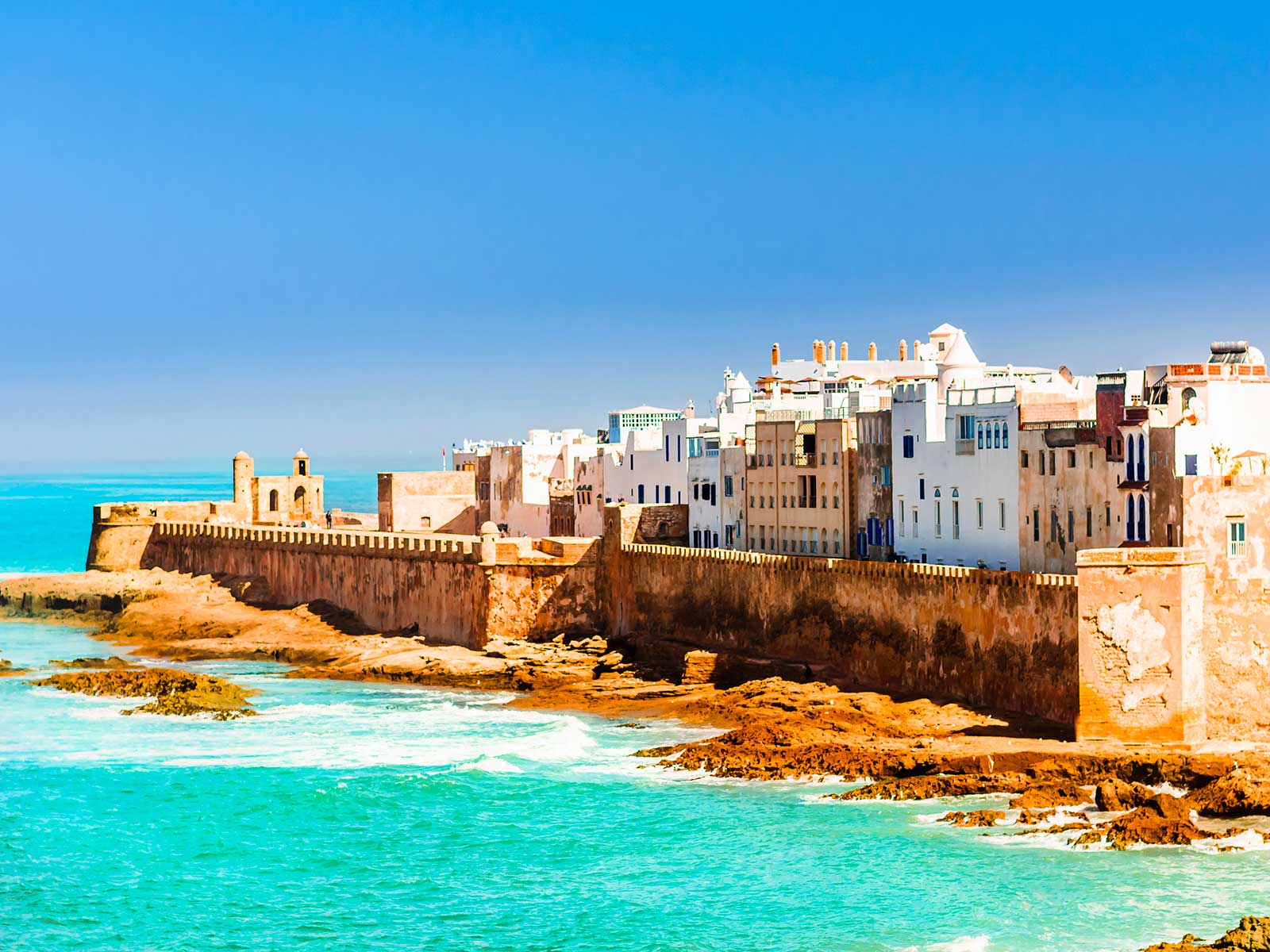
Embarking on a journey to Morocco promises an unforgettable experience, rich in culture, history, and breathtaking landscapes. While French and Spanish are widely understood, especially in tourist hubs, learning a few key Moroccan Arabic (Darija) phrases can profoundly enhance your interactions and open doors to genuine connections with locals. This guide provides essential greetings and survival words to help you navigate, connect, and immerse yourself in the vibrant Moroccan way of life.
Why Learn Darija? A Gateway to Authentic Experiences
Morocco is a country where hospitality is deeply ingrained, and making an effort to speak even a few words of the local dialect, Darija, is incredibly appreciated. It shows respect for the culture and can transform a simple transaction into a warm exchange. From the bustling souks of Marrakech Medina to the serene blue streets of Chefchaouen, a little Darija goes a long way in building rapport, making bargaining more friendly, and simply getting by with a smile.
While Modern Standard Arabic is the official language, Darija is the spoken dialect, unique with its Amazigh (Berber), French, and Spanish influences. Don't worry about perfect pronunciation; the effort itself is what truly matters.
Pronunciation Pointers for Beginners
Darija has some sounds that might be unfamiliar to English speakers, but don't let that deter you. Here are a few quick tips:
- 'Kh': Like the 'ch' in Scottish 'loch'.
- 'Gh': A guttural 'r' sound, similar to the French 'r' but deeper.
- 'R': Often a rolled 'r' (like in Spanish).
- Vowels: Generally short and crisp. 'A' as in 'cat', 'i' as in 'hit', 'u' as in 'put'.
Listen closely to how locals speak and try to imitate them. Most Moroccans are very patient and encouraging.
Essential Greetings & Politeness
These are your absolute must-know phrases for daily interactions.
- Salam / Assalamu Alaikum(السلام عليكم) -Peace be upon you
This is the most common greeting, used universally. - Wa Alaikum Assalam(وعليكم السلام) -And upon you be peace
The standard response to "Assalamu Alaikum". - Sabah al-khair(صباح الخير) -Good morning
- Sabah an-noor(صباح النور) -Good morning (response)
- Masa' al-khair(مساء الخير) -Good evening
- Masa' an-noor(مساء النور) -Good evening (response)
- Labas?(لاباس؟) -How are you? / Are you okay?
A very common, informal way to ask how someone is. - Kulshi bikhir / Alhamdulillah(كلشي بخير / الحمد لله) -Everything is good / Praise be to God
The common response to "Labas?", often followed by "Alhamdulillah". - Shukran(شكرا) -Thank you
Use this often! - Afwan(عفوا) -You're welcome / Excuse me
Can be used as a response to "Shukran" or to get someone's attention. - Smahli(سمحلي) -Excuse me / Sorry (to one person)
- Smahuli(سمحولي) -Excuse me / Sorry (to multiple people)
- Insha'Allah(إن شاء الله) -God willing
Heard constantly, it expresses hope or future intention. - Bismillah(بسم الله) -In the name of God
Said before starting a meal, a journey, or any significant action. - Mabrouk!(مبروك!) -Congratulations!
Used for celebrations, new purchases, or good news.
Cultural Tip:Moroccans often greet each other with multiple "Labas?" and "Kulshi bikhir?" repetitions. Don't rush the greeting process; it's a sign of respect and connection.
Navigating & Asking for Directions
Getting around the labyrinthine medinas or finding your way in a new city becomes much easier with these phrases.
- Fin...?(فين...؟) -Where is...?
e.g.,Fin toilette?(Where is the toilet?),Fin souk?(Where is the market? - useful in Fes). - Yamin(يمين) -Right
- Yassar(يسار) -Left
- Nishan(نيشان) -Straight
- Wakha(واخا) -Okay / Alright
- Ayyeh(ايه) -Yes
- La(لا) -No
- Ma fehmtch(ما فهمتش) -I don't understand
- Dwi bshwiya(دوي بشوية) -Speak slowly
Shopping & Bargaining
Bargaining is an integral part of Moroccan market culture, especially in places like the souks of Marrakech Medina. Approach it with a friendly attitude and a few Darija phrases.
- Bch-hal?(بشحال؟) -How much?
- Ghali bezzaf!(غالي بزاف!) -Too expensive!
- Naqess shwiya(نقص شوية) -Reduce a little
- Safiya!(صافية!) -Okay! / Agreed!
Often used to seal a deal. - Bghit...(بغيت...) -I would like...
e.g.,Bghit atay(I would like tea). - Ma bghitch(ما بغيتش) -I don't want (it)
Useful for politely declining offers from persistent vendors.
Food & Drink
Moroccan cuisine is a highlight for many travelers. These phrases will help you order and express your enjoyment.
- Bseha(بصحة) -To your health / Enjoy!
Said when someone is eating, drinking, or even after a shower. - Allah ya'tik seha(الله يعطيك صحة) -May God give you health
The standard, polite response to "Bseha". - Atay(أتاي) -Tea
Mint tea is the national drink! - Ma(ما) -Water
- Khoubz(خبز) -Bread
- Tajine(طاجين) -Tagine
The famous slow-cooked stew. - Couscous(كسكس) -Couscous
Typically served on Fridays. - Hout(حوت) -Fish
Especially fresh and delicious in coastal towns like Essaouira. - Djej(دجاج) -Chicken
- L-ham(لحم) -Meat (beef/lamb)
- Bnin(بنين) -Delicious!
A great compliment to your host or chef.
Basic Numbers (1-10)
Knowing your numbers is useful for bargaining, asking prices, or telling time.
- Wahed(واحد) -One
- Jouj(جوج) -Two
- Tlata(تلاتة) -Three
- Arba'a(اربعة) -Four
- Khamsa(خمسة) -Five
- Setta(ستة) -Six
- Seb'a(سبعة) -Seven
- Tmenya(تمنية) -Eight
- Tes'oud(تسعود) -Nine
- Ashra(عشرة) -Ten
Emergency & Asking for Help
While we hope you won't need these, it's always wise to know some essential phrases for emergencies.
- A'awenni!(عاوني!) -Help me!
- Tabib(طبيب) -Doctor
- Police(بوليس) -Police
- Mrid(مريض) -Sick
- Dayeh(دايح) -Lost
- Khatar!(خطر!) -Danger!
Beyond the Words: Cultural Nuances
Learning phrases is just one part of the cultural immersion. Remember to also:
- Smile often:A smile is universally understood and can bridge any language gap.
- Use gestures:Pointing can sometimes help, but be mindful of local customs.
- Be patient:Communication might take longer, but embrace the process.
- Don't be afraid to try:Moroccans genuinely appreciate the effort, even if your Darija isn't perfect.
While French is widely spoken across Morocco, particularly in major cities like Casablanca and Rabat, and Spanish is common in northern cities such as Tangier, Darija remains the heart of local communication. Whether you're trekking in the High Atlas near Jebel Toubkal or exploring the desert dunes of Merzouga, these simple phrases will serve you well.
Conclusion
Armed with these essential Moroccan Arabic phrases, you're ready to step into Morocco with greater confidence and an open heart. Beyond the practical benefits, speaking Darija allows you to connect on a deeper level, transforming your trip from a mere visit into a truly immersive and memorable adventure. So, practice a few words, embrace the linguistic journey, and get ready to experience the warmth of Moroccan hospitality firsthand.Bseha w Raha!(To your health and comfort! - often said when wishing someone well or after a good meal).