
Casablanca Travel Guide: Modernity, History, and Coastal Vibrancy
Casablanca, Morocco's bustling economic heart, offers a fascinating blend of contemporary urban life, rich history, and captivating coastal charm. Beyond its iconic cinematic fame, this vibrant city invites travelers to explore its unique character, from Art Deco architecture to grand mosques and lively markets, providing a distinctive Moroccan experience.
Why Visit Casablanca?
Often perceived as merely a transit point, Casablanca is a dynamic metropolis that truly showcases modern Morocco while preserving its deep historical roots. It serves as a vital gateway, connecting travelers to the country's diverse landscapes and cultures. Unlike the ancient imperial cities like Fes or Marrakech, Casablanca boasts a distinctly European-influenced architectural style, particularly its impressive Art Deco buildings, reflecting its colonial past and forward-looking spirit. It's a city of commerce, culture, and coastal relaxation, offering a unique perspective on Moroccan life.
Top Attractions in Casablanca
Hassan II Mosque
Dominating the city's skyline and gracing the Atlantic coastline, the Hassan II Mosque is undoubtedly the city's most iconic landmark. As one of the largest mosques in Africa and the only one in Morocco open to non-Muslims for guided tours, it's a breathtaking architectural marvel. Its intricate tile work, carved wood, and monumental scale are awe-inspiring, especially the retractable roof and the minaret, which is the tallest in the world. Visiting this masterpiece offers profound insight into Moroccan craftsmanship and Islamic art.
Fun Fact:The Hassan II Mosque sits on a promontory overlooking the Atlantic Ocean, with part of its floor being made of glass, allowing worshippers to see the sea directly below.
The Corniche
Stretching along the Atlantic coast, the Aïn Diab Corniche is Casablanca's vibrant seaside promenade. It's a popular spot for locals and tourists alike, offering a refreshing escape from the city bustle. Here, you'll find an array of cafes, restaurants, luxury hotels, and beach clubs. Enjoy a leisurely stroll, watch the sunset, or dine with ocean views. It's a perfect place to experience Casablanca's relaxed coastal ambiance.
Habous Quarter (New Medina)
For a taste of traditional Moroccan market culture without the overwhelming chaos of older medinas, the Habous Quarter, or New Medina, is an excellent choice. Built by the French in the 1930s, it blends traditional Moroccan architecture with European urban planning. This charming district is known for its neat arcades, artisan shops selling everything from leather goods to traditional clothing, and delightful patisseries. It's an ideal place to pick up authentic souvenirs and savor local sweets.
Place Mohammed V
The administrative heart of Casablanca, Place Mohammed V is a grand public square surrounded by impressive Art Deco and Neo-Moorish buildings. This architectural ensemble includes the Prefecture, the Palace of Justice, the French Consulate, and the Bank Al-Maghrib. The square features a large fountain and often hosts public events, making it a lively hub that reflects the city's colonial heritage and modern urban design.
Ancienne Médina (Old Medina)
While less famous than its counterparts in Fes or Marrakech, Casablanca's Ancienne Médina offers a raw and authentic glimpse into traditional Moroccan life. Wandering through its narrow, winding alleys, you'll discover bustling souks, local eateries, and a vibrant atmosphere untouched by much of the city's modernization. It’s a place for intrepid explorers seeking genuine local interactions and hidden treasures.
Mahkama du Pacha
A hidden gem within the Habous Quarter, the Mahkama du Pacha is a stunning example of Hispano-Moorish architecture. This former courthouse and reception hall for the Pasha is adorned with intricate stucco work, carved cedar wood, and beautiful zellij tiles. While it functions as administrative offices today, parts of its magnificent interior are sometimes accessible to visitors, offering a glimpse into opulent Moroccan design.
Culinary Delights
Casablanca's culinary scene is as diverse as its population. Being a coastal city, fresh seafood is a highlight, available in abundance from casual eateries to upscale restaurants along the Corniche. Beyond seafood, you can indulge in classic Moroccan dishes such as aromatic tagines, fluffy couscous, and savory pastilla. The city also boasts a thriving modern dining scene with international cuisine options and chic cafes. Don't forget to savor the quintessential Moroccan mint tea and an array of delectable pastries.
Shopping and Souvenirs
From traditional crafts to contemporary fashion, Casablanca offers a wide range of shopping experiences. The Habous Quarter is perfect for finding authentic Moroccan souvenirs like leather goods, ceramics, textiles, and spices. For a more modern retail therapy experience, visit one of the city's large shopping malls, which host international brands and local boutiques. Haggling is expected in the traditional souks, adding to the cultural immersion.
Beyond the City: Day Trips from Casablanca
Casablanca's central location makes it an excellent base for exploring other captivating regions of Morocco.
- Rabat:Morocco's capital city is just an hour's train ride away. Explore its historical sites like the Kasbah of the Udayas, the Hassan Tower, and the Chellah Necropolis, offering a blend of ancient and modern Moroccan history.
- El Jadida:South of Casablanca, this charming port city is home to a UNESCO World Heritage site, the Portuguese City of Mazagan. Its well-preserved ramparts and cistern offer a fascinating journey back in time.
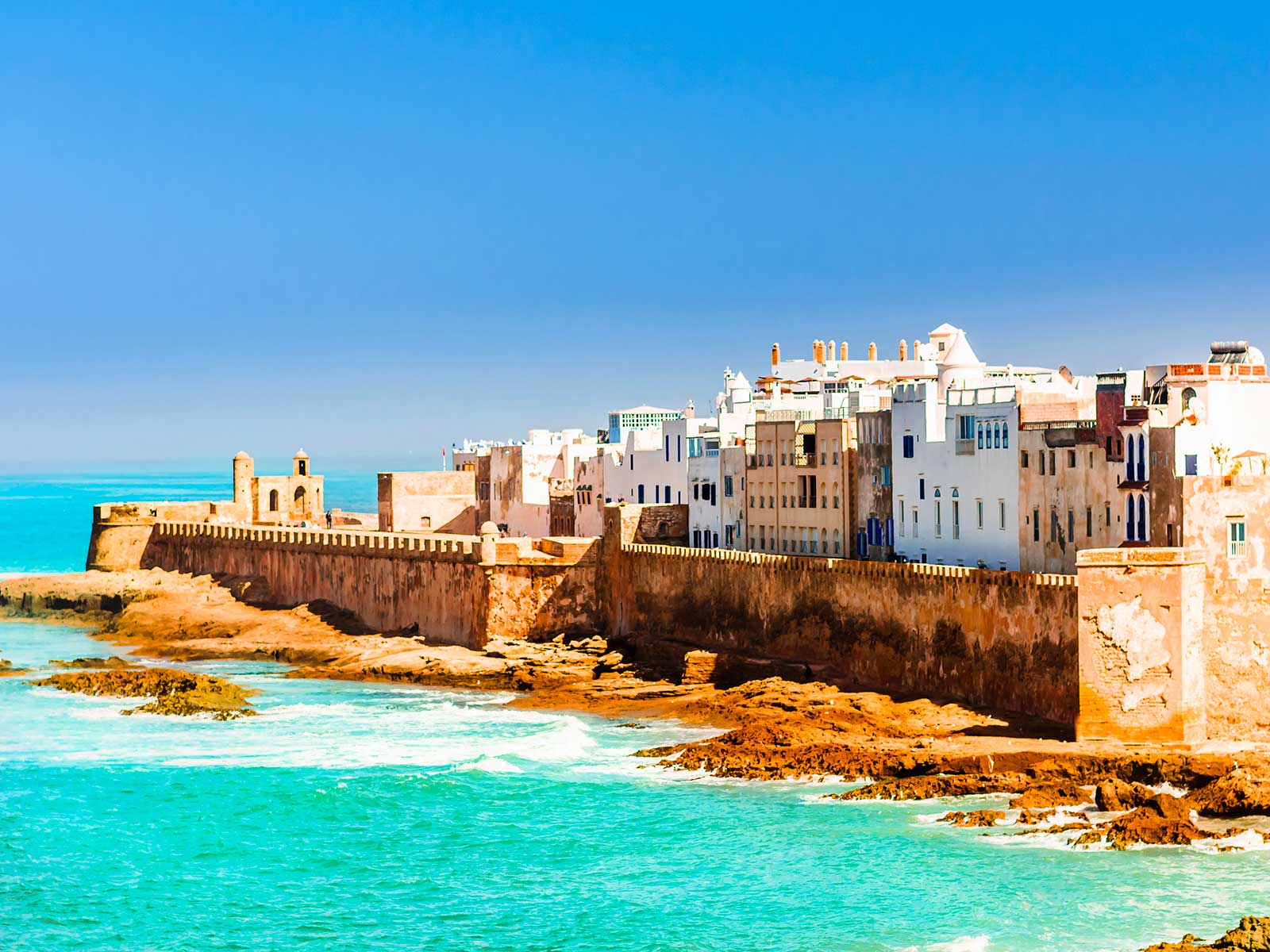
- Coastal Escapes:While Casablanca offers its own coastal charm, you could venture further to cities like Essaouira for its unique artistic vibe and strong sea breeze, though this would be a longer day trip or an overnight stay.
- Imperial Cities and Beyond:Casablanca also serves as a convenient starting point for longer journeys to the imperial cities of Marrakech and Fes, or towards the Atlas Mountains and the Sahara Desert, including destinations like Merzouga.
Practical Tips for Travelers
Getting Around
Casablanca has an efficient public transport system.Petit taxis(red) are abundant and ideal for short distances within the city; always ensure the meter is running.Grand taxis(white) are used for longer journeys or shared rides between districts and cities. The modern tramway system offers a comfortable way to navigate key areas, connecting major attractions and neighborhoods.
Language and Currency
The official languages are Arabic and Amazigh, but French is widely spoken, especially in business and tourist areas. English is increasingly understood in hotels and major tourist spots. The local currency is the Moroccan Dirham (MAD). ATMs are readily available, and credit cards are accepted in larger establishments.
Safety and Etiquette
Casablanca is generally a safe city for tourists. However, like any major urban center, it's wise to be aware of your surroundings, especially in crowded markets, and to safeguard your belongings. Modest dress is appreciated, particularly when visiting religious sites, as a sign of respect for local customs.
Best Time to Visit
The ideal time to visit Casablanca is during the spring (March to May) or autumn (September to November). During these seasons, the weather is pleasantly mild, making it perfect for exploring the city's attractions and enjoying its coastal offerings. Summers can be hot, while winters are generally mild but can experience more rainfall.
Conclusion
Casablanca is more than just a fleeting image from a classic film; it's a vibrant, evolving city that offers a rich tapestry of experiences. From the awe-inspiring grandeur of the Hassan II Mosque to the bustling charm of its markets and the refreshing allure of its Corniche, Casablanca provides a unique window into modern Moroccan life. It’s a city that seamlessly blends its historical legacy with a dynamic, forward-looking spirit, inviting travelers to discover its distinct identity and coastal vibrancy.