
Best Time to Visit Morocco: Month-by-Month Guide for Travelers
Morocco, a land of vibrant souks, dramatic deserts, and majestic mountains, offers a truly unforgettable experience. Deciding the best time to visit this diverse North African gem depends largely on your preferred activities and tolerance for heat or cold. This comprehensive month-by-month guide will help you plan your ideal Moroccan adventure.
Morocco's climate varies significantly across its distinct geographical regions: the Mediterranean and Atlantic coasts, the Atlas Mountains, and the Sahara Desert. While spring and autumn are often cited as the most universally pleasant seasons, each month presents unique opportunities and charms for different types of travelers. Understanding these seasonal nuances is key to maximizing your trip, whether you dream of trekking Jebel Toubkal, exploring the bustling Marrakech Medina, or stargazing in Merzouga.
Spring in Morocco: March, April, May (Ideal Weather & Blossoms)
Spring is arguably the most popular time to visit Morocco, offering a delightful balance of warm days, cool nights, and lush landscapes, particularly after winter rains. Wildflowers bloom, and the air is crisp and inviting across much of the country.
March
March marks the transition from winter to spring. Temperatures begin to rise, making it an excellent time for exploring cities like Fes and Marrakech Medina without the intense summer heat. The Atlas Mountains are still cool, with some higher peaks retaining snow, but lower-altitude trekking starts to become enjoyable. The desert begins to warm, providing comfortable conditions for camel treks and camping under clear skies.
April
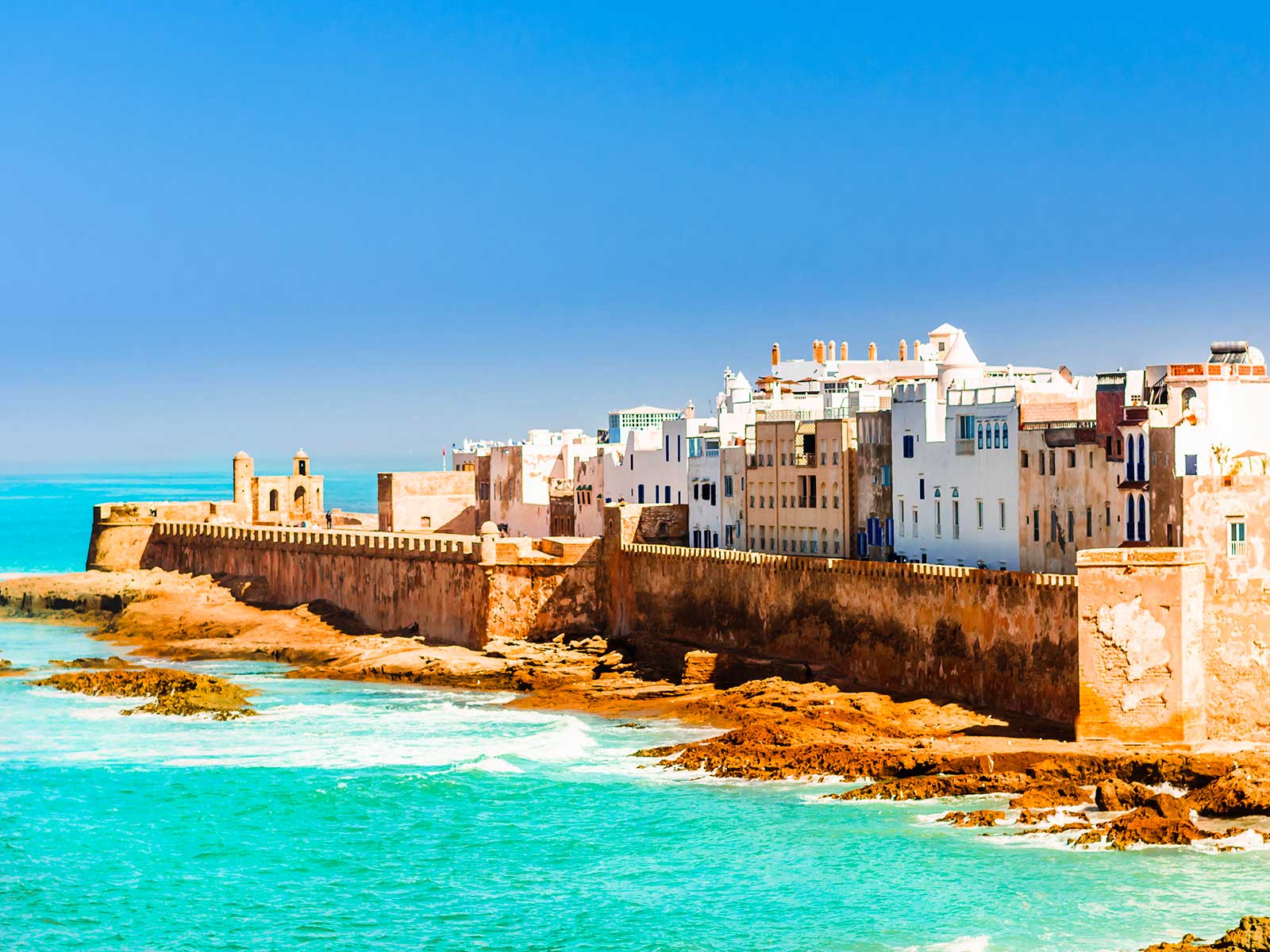
Often considered the sweet spot, April boasts near-perfect weather across most of Morocco. Days are sunny and warm, ideal for sightseeing, hiking, and enjoying outdoor cafes. This is a prime month for exploring the blue city of Chefchaouen, wandering through the ancient kasbahs of the Dades Valley, or relaxing in coastal towns like Essaouira. Expect comfortable temperatures for desert excursions as well.
May
As spring progresses, May brings warmer temperatures, signaling the approach of summer. While the south and desert regions can start to feel quite hot by late May, the coast remains pleasantly breezy. It's a fantastic time for mountain trekking before the full summer heat sets in, and city exploration is still very comfortable, especially in the mornings and evenings. Tourist crowds begin to swell towards the end of the month.
Summer in Morocco: June, July, August (Coastal Breezes & Mountain Escapes)
Summer in Morocco is characterized by intense heat, particularly inland and in the desert. However, it's also a vibrant season, especially along the Atlantic coast, and offers unique opportunities for specific types of travel.
June
June sees temperatures rise significantly across the country. The desert becomes very hot, making daytime excursions challenging, but coastal cities like Essaouira,Asilah, and Tangier offer refreshing ocean breezes. The High Atlas Mountains provide a cooler escape for hikers. Early mornings and late evenings are the best times for exploring cities like Marrakech Medina or Fes.
July
July is typically the hottest month in Morocco, with temperatures soaring well into the 40s°C (100s°F) inland and in the Sahara. This is the ideal time for beach holidays on the Atlantic coast or seeking refuge in the cool air of the High Atlas. City exploration requires careful planning, focusing on shaded areas, air-conditioned riads, and embracing the late-night bustle of the medinas.Casablanca and Rabat, being coastal, are more tolerable.
August
Similar to July, August remains very hot, especially inland. Many Europeans visit during their summer holidays, leading to increased crowds and higher prices, particularly in popular coastal destinations and tourist hotspots. It's still a prime month for enjoying the beaches of Essaouira or heading to higher altitudes. Embrace the relaxed pace, long lunches, and vibrant evenings that characterize Moroccan summer life.
Travel Tip:During the hot summer months, always stay hydrated by drinking plenty of water and mint tea. Embrace the Moroccan custom of siestas during the hottest part of the day.
Autumn in Morocco: September, October, November (Pleasant & Cultural Exploration)
Autumn is another fantastic season to visit Morocco, offering a welcome respite from the summer heat and a return to comfortable temperatures. The landscapes remain beautiful, and the atmosphere is perfect for cultural immersion and outdoor adventures.
September
September ushers in cooler, more pleasant weather after the summer peak. The intense heat begins to subside, making it an excellent month for desert trips to places like Merzouga and exploring the southern kasbahs around Ouarzazate. City sightseeing in Fes and Marrakech Medina becomes much more enjoyable, and the coastal areas remain warm enough for swimming.
October
October is often cited as the best month for a balanced Moroccan itinerary. The weather is consistently mild and sunny across almost the entire country. It's perfect for trekking in the Atlas Mountains, exploring the Sahara, or delving deep into the labyrinthine medinas of Chefchaouen and Marrakech Medina. The autumn light is also particularly beautiful for photography.
November
As winter approaches, November brings cooler temperatures, especially in the evenings and mornings. While still pleasant for sightseeing in most cities and the south, the Atlas Mountains can become chilly, and some higher passes may experience early snow. This month offers fewer crowds and a more authentic feel, making it great for exploring cultural sites and enjoying the local cuisine without the bustling tourist throngs.
Winter in Morocco: December, January, February (Desert Warmth & Snowy Peaks)
Winter in Morocco presents a different kind of charm, with cooler temperatures, potential for snow in the mountains, and sunny, mild days in the south. It's an excellent time for specific activities and offers a unique perspective on the country.
December
December offers mild, sunny days in the southern parts of Morocco and the desert, making it a popular escape from colder European winters. Cities like Marrakech Medina,Rabat, and Casablanca are cool but generally pleasant for exploring. The Atlas Mountains, including the area around Jebel Toubkal, will be cold and may receive snow, transforming them into a winter wonderland suitable for skiing or experienced winter trekkers.
January
January is typically the coldest month in Morocco. While the north can be damp and chilly, and the Atlas Mountains are often covered in snow (making it a good time for skiing near Oukaimeden), the desert regions and the south remain relatively mild and sunny during the day. Nights, however, can be very cold, especially in the desert. This is an excellent time for a cultural trip focused on cities or a warm escape to the Sahara.
February
February sees a gradual warming trend, though it remains cool. The almond trees begin to blossom, painting parts of the landscape in delicate pinks and whites, particularly in the Anti-Atlas region. Crowds are generally lower than in peak seasons, offering a more relaxed travel experience. It's a great time for exploring cities like Fes and Tangier, or venturing into the desert as temperatures become increasingly comfortable.
Key Considerations for Your Moroccan Trip
Climate Zones & Activities
- Desert Adventures:For epic camel treks and stargazing in Merzouga, target spring (March-April) or autumn (September-October) for comfortable temperatures.
- City Exploration:Marrakech Medina,Fes,Rabat, and Casablanca are best explored in spring or autumn. Winter offers fewer crowds but cooler evenings. Summer demands early morning or late evening exploration.
- Mountain Trekking:Hiking in the Atlas Mountains, including ascents of Jebel Toubkal, is ideal in late spring (May-early June) and early autumn (September-October). Winter trekking requires specialized gear and experience.
- Coastal Retreats:Essaouira,Tangier, and Asilah are delightful in spring and autumn. They offer a refreshing escape from inland heat during the summer months.
- Scenic Drives:Exploring the kasbah trail through the Dades Valley and around Ouarzazate is best in spring or autumn when the landscapes are vibrant and temperatures are mild.
Festivals and Events
Morocco hosts numerous vibrant festivals throughout the year, many tied to the lunar Islamic calendar (which means dates vary annually). These include religious holidays like Eid al-Fitr and Eid al-Adha, and cultural events such as the Fes Festival of World Sacred Music (typically May/June) or the Rose Festival in El Kelaa M'Gouna (May). Researching specific dates for your travel period can add a rich cultural dimension to your trip.
Crowds and Costs
Peak tourist seasons are generally spring (April-May) and autumn (September-October), as well as the Christmas/New Year period. During these times, popular destinations will be busier, and accommodation/flight prices may be higher. Traveling in the shoulder seasons (March, June, November) or winter (excluding holidays) can offer a more budget-friendly experience with fewer crowds, provided you are prepared for the specific weather conditions.
Conclusion
Morocco truly is a year-round destination, with each season offering a unique appeal. Whether you seek the warmth of the Sahara, the cool breezes of the Atlantic coast, the challenge of mountain treks, or the vibrant energy of its ancient cities, there's a perfect time for your adventure. By considering your priorities and this month-by-month guide, you can tailor your visit to experience the very best of what this captivating country has to offer.