
A Brief History of Morocco: Empires, Dynasties, and Heritage
Morocco, a land of captivating contrasts, boasts a history as rich and vibrant as its bustling souks and serene desert landscapes. From ancient Berber tribes to powerful Islamic empires and European protectorates, its past is a tapestry woven with countless threads of conquest, culture, and resilience. Understanding this profound heritage is key to appreciating the Morocco of today.
Ancient Roots: Berbers, Phoenicians, and Romans
Long before recorded history, the indigenous Amazigh people, commonly known as Berbers, inhabited the lands that would become Morocco. Their deep connection to the land and their unique culture form the bedrock of Moroccan identity. Around the 8th century BCE, Phoenician traders established coastal settlements, drawn by strategic ports and rich resources. These early interactions laid the groundwork for future trade networks across the Mediterranean.
The arrival of the Romans in the 1st century BCE saw much of northern Morocco incorporated into the Roman province of Mauretania Tingitana. Cities like Volubilis (near modern-day Fes) flourished, leaving behind impressive ruins that testify to Roman influence. After the fall of the Western Roman Empire, the region experienced periods of Vandal and Byzantine rule, but the Berber tribes largely maintained their autonomy in the interior.
The Dawn of Islam and the Idrisid Dynasty
The 7th century CE marked a pivotal turning point with the arrival of Arab Muslim armies. The message of Islam spread rapidly, profoundly transforming the religious and cultural landscape. While initial rule was often through Umayyad and Abbasid caliphates, Morocco soon asserted its independence.
The Idrisids (788-974 CE): Morocco's First Independent Islamic State
In 788 CE, Idris I, a descendant of Prophet Muhammad, fled the Abbasid Caliphate and established the first independent Islamic state in Morocco. His son, Idris II, is credited with founding the city of Fes, which quickly became a major center of learning, culture, and commerce, laying the foundations for its enduring legacy as a spiritual and intellectual capital. The Idrisids fostered a distinct Moroccan identity, blending Arab and Berber elements.
Fun Fact:The University of Al-Karaouine in Fes, founded in 859 CE by Fatima al-Fihri, is widely considered the oldest continuously operating university in the world, predating European universities by centuries.
The Great Berber Empires: Almoravids and Almohads
Following the decline of the Idrisids, Morocco witnessed the rise of powerful Berber confederations that forged vast empires, extending their influence across North Africa and into Andalusia (Islamic Spain).
The Almoravids (1040-1147 CE)
Originating from the Sanhaja Berber tribes of the Sahara, the Almoravids established a strict, puritanical form of Islam. They conquered large territories, founding Marrakech in 1070 CE as their capital, which grew into a magnificent imperial city. Their empire stretched from Senegal to central Spain, leaving a significant architectural and cultural legacy, particularly in Marrakech and Andalusia.
The Almohads (1121-1269 CE)
The Almohads, another powerful Berber movement from the Atlas Mountains, overthrew the Almoravids. They were known for their distinct theological interpretations and their ambition to purify Islam. Under their rule, cities like Rabat flourished, with impressive projects like the Hassan Tower and the Kasbah of the Udayas. Their empire was even larger, encompassing all of North Africa west of Egypt and most of Islamic Spain. They left an indelible mark on art, architecture, and intellectual life.
Marinids, Wattasids, and Saadians: Between Decline and Renaissance
The fall of the Almohads led to a period of fragmentation but also saw new dynasties rise to prominence, often struggling against internal dissent and external pressures, particularly from emerging European powers.
The Marinids (1244-1465 CE)
The Zenata Berber Marinids succeeded the Almohads, establishing Fes as their capital once more. They were patrons of scholarship and architecture, constructing numerous madrasas (Islamic schools) that are still admired today. However, their empire gradually weakened due to internal strife and the Reconquista in Spain.
The Wattasids (1472-1554 CE) and Saadians (1549-1659 CE)
The Wattasids, a branch of the Marinids, briefly held power before the rise of the Saadians. The Saadian dynasty, claiming Sharifian (descendants of the Prophet Muhammad) lineage, emerged as a powerful force, particularly in resisting Portuguese and Spanish encroachment along the coast. They successfully defended Morocco against foreign invasion and revitalized trade, famously defeating the Portuguese in the Battle of the Three Kings in 1578. The Saadian Tombs in Marrakech are a testament to their opulent era.
The Alaouite Dynasty: Modern Morocco Emerges
The current ruling dynasty of Morocco, the Alaouites, also of Sharifian origin, came to power in the mid-17th century. They consolidated the kingdom, bringing stability after a period of unrest and establishing Rabat as a significant administrative center. Under their rule, Morocco developed distinct diplomatic relations with European powers, though often navigating complex geopolitical landscapes.
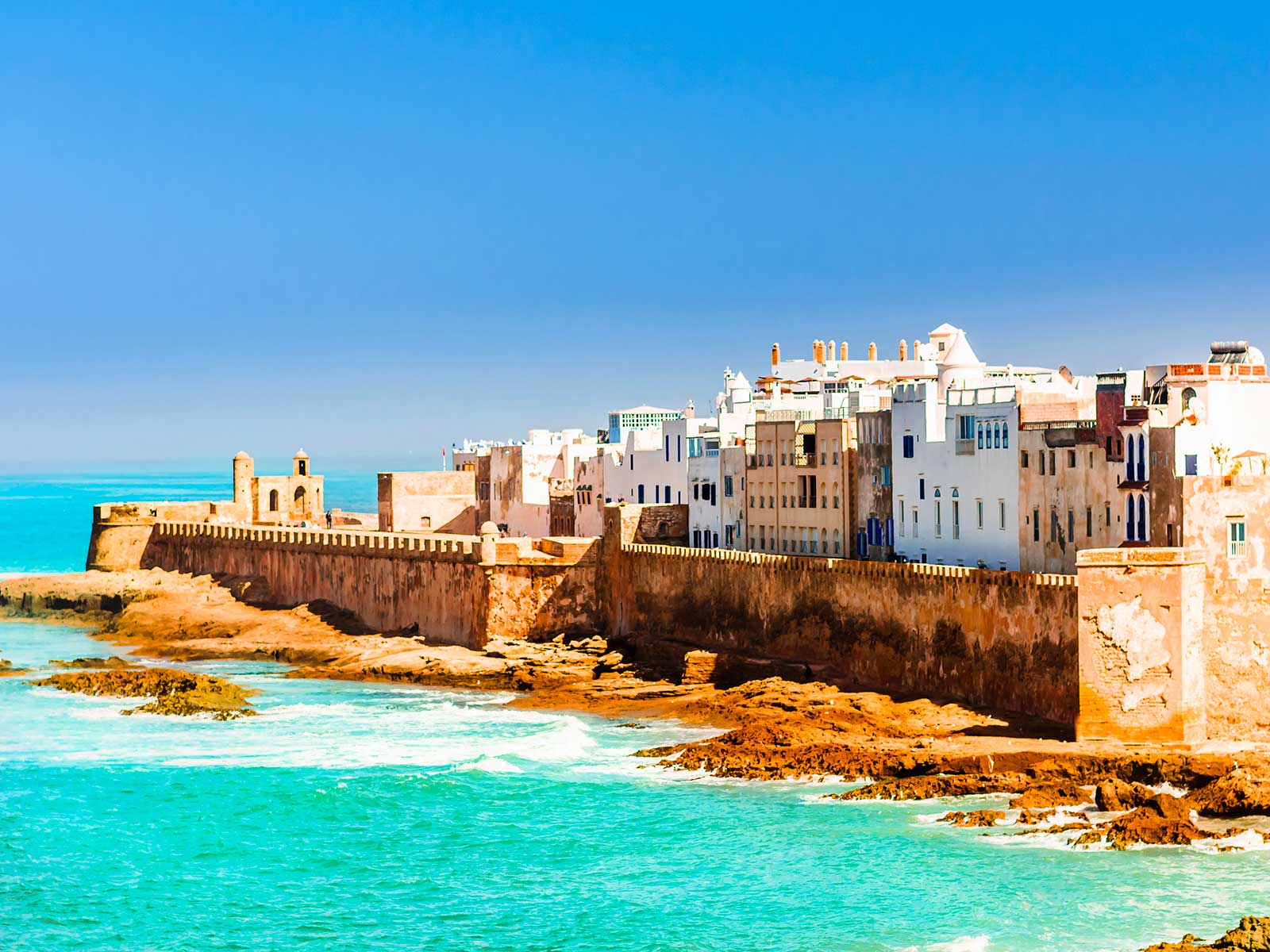
Cities like Tangier and Essaouira became crucial port cities, facilitating trade and cultural exchange with Europe and beyond. The Alaouites skillfully maintained Moroccan independence for centuries, even as European colonialism intensified in Africa.
Colonialism and Independence
Despite its long history of independence, Morocco eventually succumbed to European imperial ambitions. In 1912, the Treaty of Fes established a French Protectorate over most of Morocco, with Spain gaining control over the northern and southern regions. This period saw significant infrastructure development, particularly in cities like Casablanca, but also sparked widespread nationalist sentiment.
After decades of struggle and political maneuvering, Morocco regained its independence on March 2, 1956, under King Mohammed V. The subsequent reigns of King Hassan II and the current monarch, King Mohammed VI, have seen Morocco pursue modernization, economic development, and a prominent role in regional and international affairs.
Morocco's Enduring Heritage
Today, Morocco stands as a testament to its multifaceted past. The echoes of its ancient Berber roots resonate in its vibrant culture and diverse languages. The grandeur of its Islamic empires is visible in the architecture of Fes,Marrakech, and Rabat. The resilience against colonial powers speaks to the enduring spirit of its people.
Visitors exploring the winding alleys of the Marrakech Medina, the blue streets of Chefchaouen, or the ancient kasbahs along the Dades Valley are stepping directly into this living history. From the desert camps of Merzouga to the coastal charm of Essaouira and Asilah, every corner of Morocco tells a story of empires, dynasties, and a rich, enduring heritage that continues to shape its identity.
Whether you're drawn by historical sites, cultural immersion, or breathtaking landscapes like Jebel Toubkal, Morocco offers an unforgettable journey through time, inviting you to discover the layers of its fascinating past.