
Must-Try Food in Montenegro: A Culinary Journey Through the Balkans
Montenegro, a small nation nestled on the Adriatic coast, offers a surprisingly diverse and delicious culinary scene. Its food is a vibrant tapestry woven from Mediterranean freshness, hearty Balkan traditions, and historical influences from Venice, Turkey, and Austria-Hungary, promising a truly unforgettable gastronomic adventure for every traveler.
A Taste of the Coast: Seafood and Mediterranean Flavors
Along Montenegro's stunning coastline, the cuisine naturally leans towards fresh seafood, vibrant vegetables, and the abundant use of olive oil. Here, the Adriatic Sea dictates the menu, offering light yet incredibly flavorful dishes.
Fresh Seafood Delights
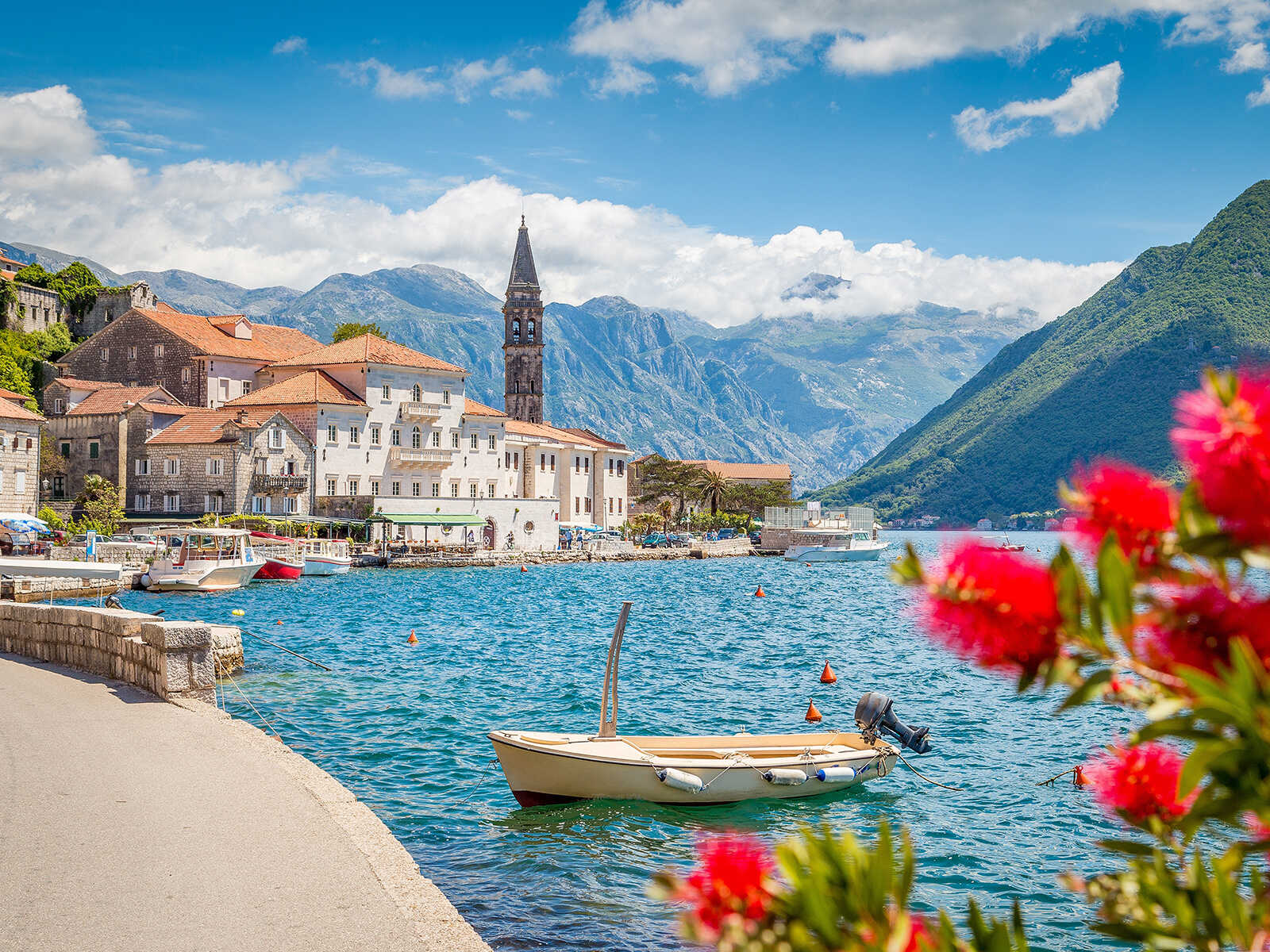
The coastal towns, from the picturesque Bay of Kotor to the bustling Old Town Budva and charming Old Town Herceg Novi, are havens for seafood lovers. You'll find an array of freshly caught fish, often simply grilled to perfection with a drizzle of local olive oil and a squeeze of lemon.
- Grilled Fish (Riba na Žaru):Expect varieties likeorada(sea bream) andbrancin(sea bass), cooked whole and served with blitva (Swiss chard and potatoes).
- Calamari (Lignje):Whether grilled, fried, or stuffed, calamari is a staple. TryLignje na žarufor a tender, smoky experience.
- Octopus Salad (Salata od Hobotnice):A refreshing starter, featuring tender octopus pieces, potatoes, onions, and parsley, dressed with olive oil and vinegar.
- Mussels (Dagnje):Often preparedna buzaru, cooked in a white wine, garlic, and parsley sauce, particularly popular in the Bay of Kotor region.
Adriatic Influences: Olive Oil, Cheese, and Wine
Beyond seafood, the coast boasts other Mediterranean treasures. Locally produced olive oil is a cornerstone of Montenegrin cooking, imparting a rich, fruity flavor to countless dishes. The area around Stari Bar is particularly known for its ancient olive groves.
Montenegro is home to some of the oldest olive trees in the world, with the "Old Olive of Bar" estimated to be over 2,000 years old, still bearing fruit today.
Local cheeses, often made from sheep or goat milk, are also prominent. Keep an eye out for fresh, soft cheeses perfect for accompanying bread and olives. Montenegrin wines, especially the robust redVranacand the crisp whiteKrstač, are excellent accompaniments to any meal, particularly those enjoyed in regions like Lustica.
Hearty Mountain Fare: Traditional Balkan Comforts
Venturing inland and to the rugged northern mountains, the cuisine shifts to heartier, meat-centric dishes designed to sustain those living and working in cooler climates. These dishes reflect deep-rooted Balkan traditions, often slow-cooked and rich in flavor.
Njeguški Pršut and Cheese
No culinary journey through Montenegro is complete without experiencingNjeguški Pršut. This air-dried, smoked ham, hailing from the village of Njeguši near Cetinje and Lovcen National Park, is a national delicacy. Its unique flavor comes from a specific smoking and curing process, perfected over generations.
- Njeguški Pršut:Sliced thin, it's often served as an appetizer with local cheese (Njeguški Sir) and olives.
- Njeguški Sir:A hard, salty cheese, traditionally made from sheep's milk, which perfectly complements the ham.
The distinctive taste of Njeguški Pršut is attributed to the unique microclimate of Njeguši, where mountain and sea air currents meet, providing optimal conditions for drying and smoking.
Meat Dishes: Roasts and Stews
The mountains are where you'll find succulent slow-cooked meats and comforting stews.
- Sač:This is a must-try cooking method. Meat (often lamb or veal) and vegetables are cooked slowly under a metal dome, or "sač," covered with hot coals. The result is incredibly tender, juicy meat infused with smoky flavors.Jagnjetina ispod sača(lamb under the sač) is particularly famous in areas like Durmitor.
- Kacamak:A hearty mountain staple, this dish is a thick porridge made from cornmeal, potatoes, and cheese (often kaymak, a rich clotted cream). It's incredibly filling and perfect for cold days.
- Ćevapi and Pljeskavica:These grilled minced meat dishes are popular throughout the Balkans and are widely available in Montenegro. Ćevapi are small, finger-shaped sausages, while Pljeskavica is a larger, flattened patty, both usually served with chopped onions and fresh bread.
Soups and Stews
Soups and stews are a comforting part of Montenegrin cuisine, offering warmth and flavor.
- Riblja Čorba (Fish Soup):Especially popular near freshwaters like Lake Skadar, this rich, flavorful soup features various freshwater fish and vegetables.
- Teleća Čorba (Veal Soup):A common and nourishing clear soup, often served as a starter.
- Pasulj (Bean Stew):A robust bean stew, often cooked with smoked meat, perfect for a hearty meal.
Sweet Treats and Beverages
Montenegro's sweet offerings are influenced by its Ottoman past, featuring syrupy pastries, alongside more familiar European desserts.
Desserts
- Palačinke:Thin crepes, often filled with chocolate, jam, or walnuts, are a popular treat.
- Tulumba:Fried dough soaked in sweet syrup, similar to churros but softer and intensely sweet.
- Baklava:Layers of filo pastry, chopped nuts, and syrup – a classic Balkan and Middle Eastern dessert.
- Priganice:Small, fried dough balls, often served with honey, cheese, or jam, especially popular for breakfast or as a snack.
Drinks
Coffee culture is strong in Montenegro, with locals enjoying everything from strong Turkish coffee to espresso. For something stronger,Rakija, a potent fruit brandy, is a staple, with varieties made from grapes, plums, or quince. Don't forget to try the local wines, Vranac and Krstač, or a refreshing local beer like Nikšićko Pivo.
Where to Eat and Culinary Experiences
To fully immerse yourself in Montenegrin cuisine, knowing where and how to eat is key.
Konobas and Restaurants
Look for a "Konoba," a traditional tavern, which often offers an authentic atmosphere and local dishes prepared with generational recipes. These are typically family-run and provide a true taste of Montenegrin hospitality. Restaurants range from casual eateries to upscale dining, especially in popular tourist areas.
Farmers' Markets
For the freshest ingredients, visit local farmers' markets. You'll find seasonal fruits and vegetables, homemade cheeses, honey, and sometimes even homemade cured meats. It's an excellent way to sample local produce and interact with vendors.
Cooking Classes and Food Tours
Consider joining a cooking class or a guided food tour to delve deeper into Montenegro's culinary heritage. These experiences offer hands-on learning and insights into local traditions, often including visits to local producers.
Navigating Dietary Needs
While Montenegrin cuisine is often meat and dairy-heavy, it is possible to find options for various dietary requirements.
Vegetarian/Vegan Options
Vegetarian options are becoming more common, especially in tourist areas. Look for grilled vegetables (povrće na žaru), salads (salata), and dishes likekacamak(ask for it without kaymak if vegan) orpasulj(ensure it's meat-free). Fresh bread and local cheeses are always available.
Allergies
If you have specific allergies, it's advisable to learn a few key phrases in Montenegrin or have a translation app handy. While awareness is growing, cross-contamination can be a concern in smaller, traditional kitchens. Always communicate your needs clearly.
Montenegro's food scene is as captivating as its landscapes. From the delicate seafood of the Adriatic coast to the robust, comforting dishes of the Dinaric Alps, every meal is an opportunity to explore the country's rich history and diverse culture. So, come hungry and prepare your palate for an unforgettable culinary journey through this Balkan gem.