
Montenegro Culture and Customs: What Travelers Need to Know
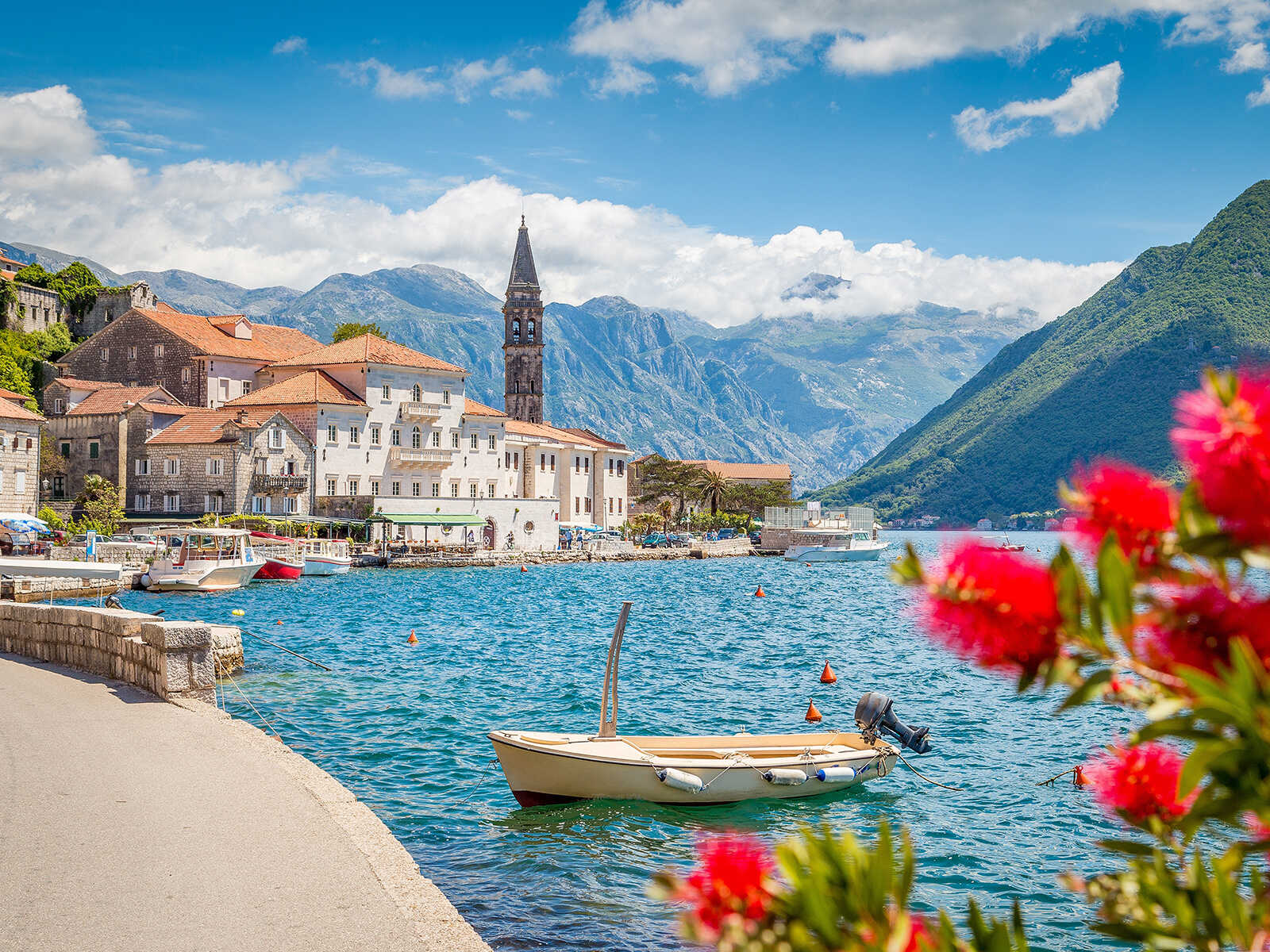
Montenegro, a jewel of the Balkans, captivates visitors with its stunning landscapes, from the dramatic peaks of Durmitor to the serene beauty of the Bay of Kotor. Beyond the scenery, a vibrant culture steeped in tradition awaits. Understanding Montenegrin customs is key to a truly enriching and respectful travel experience.
The Heart of Montenegrin Hospitality: Gostoprimstvo
At the core of Montenegrin culture isgostoprimstvo, or hospitality. Montenegrins are renowned for their warmth and generosity towards guests, often going out of their way to make visitors feel welcome. You might find yourself invited for coffee, rakija (fruit brandy), or a meal, even by casual acquaintances.
- Greetings:A firm handshake is standard for both men and women. Close friends and family might hug or kiss on the cheek (usually three times, alternating cheeks).
- Invitations:If invited into a home, it's customary to bring a small gift, such as a bottle of wine, sweets, or flowers. Always accept offered refreshments; declining can be seen as impolite.
- Dining:Meals are often communal and can be lengthy affairs, especially on special occasions. Expect generous portions and a relaxed pace.
Montenegrin hospitality isn't just a custom; it's a deep-seated value reflecting pride in their home and a genuine desire to connect with others.
Family Values and Respect for Elders
Family is the cornerstone of Montenegrin society. Extended families often live close by, and strong bonds are maintained across generations. Respect for elders is paramount, and it's common to see younger generations deferring to their parents or grandparents.
- Elders First:When entering a room or beginning a meal, allow elders to go first.
- Children:Children are cherished and often included in social gatherings. Complimenting children is usually well-received.
Religion: A Deep-Rooted Influence
The dominant religion in Montenegro is Orthodox Christianity, which has profoundly shaped the country's identity, art, and traditions for centuries. Many Montenegrins are devout, and religious holidays are celebrated with great significance.
When visiting religious sites like the awe-inspiring Ostrog Monastery or the churches around the Bay of Kotor(including Our Lady of the Rocks), it's important to dress modestly. This typically means covering shoulders and knees. Women may be expected to cover their heads in some monasteries.
A Rich Tapestry of History and Identity
Montenegro's history is one of resilience and a fierce struggle for independence. Having withstood centuries of foreign rule, from the Ottoman Empire to various Venetian and Austro-Hungarian influences, Montenegrins hold a strong sense of national pride.
You can explore this rich past in places like the former royal capital of Cetinje, with its historic monasteries and museums, or the ancient ruins of Stari Bar, which showcase layers of diverse cultural heritage. This historical context helps explain the Montenegrin people's strong character and their enduring traditions.
Language and Communication
The official language is Montenegrin, which is mutually intelligible with Serbian, Bosnian, and Croatian. While many younger Montenegrins and those in tourist areas speak English, learning a few basic phrases in Montenegrin will be greatly appreciated:
- Zdravo(ZDRAH-voh) – Hello
- Doviđenja(doh-vee-JEH-nyah) – Goodbye
- Hvala(HVAH-lah) – Thank you
- Molim(MOH-leem) – Please / You're welcome
- Da / Ne(dah / neh) – Yes / No
- Izvinite(eez-VEE-nee-teh) – Excuse me / Sorry
Culinary Delights and Dining Etiquette
Montenegrin cuisine is a delicious blend of Mediterranean and Balkan influences, characterized by fresh, local ingredients. Expect hearty dishes, often featuring meat, fish (especially along the coast and by Lake Skadar), cheese, and fresh vegetables.
- Coffee Culture:Coffee is a social ritual. Montenegrins love to linger over a small cup of strong coffee (often calleddomaća kafaor Turkish coffee) with friends and family.
- Toasting:If you're offered rakija, a toast is usually involved. A simple "Živjeli!" (ZHEE-vyeh-lee!), meaning "Cheers!" or "To life!", is appropriate.
- Tipping:Tipping is customary in restaurants and cafes, usually around 10% for good service. For taxi drivers, rounding up the fare is common.
Social Etiquette and Public Behavior
Understanding nuances in social behavior can help you navigate daily interactions smoothly.
- Punctuality:While Montenegrins are generally relaxed about time, especially for social engagements, try to be reasonably punctual if you have a formal appointment.
- Personal Space:Montenegrins tend to stand closer than people in some Western cultures during conversations.
- Dress Code:Outside of religious sites, dress is generally casual but neat. In cities and more upscale establishments, a smart-casual approach is appreciated. For exploring natural parks like Lovcen National Park or Biogradska Gora, comfortable outdoor gear is best.
- Noise Levels:Conversations can sometimes be lively and loud, especially in cafes or during celebrations, but try to maintain a respectful volume in public spaces.
Traditional Arts, Music, and Festivals
Montenegro boasts a rich tradition of folk music and dance, often seen at local festivals and celebrations. Thegusle, a single-stringed instrument, is central to epic poetry and storytelling. Keep an eye out for local events, especially during summer in places like Old Town Budva or Old Town Herceg Novi, where you might catch traditional performances.
Respecting Montenegro's Natural Beauty
Montenegrins are immensely proud of their country's breathtaking natural environment. With five national parks and stunning coastline along the Adriatic, responsible tourism is highly valued. Always dispose of litter properly, stick to marked trails in protected areas, and respect local conservation efforts. Whether you're hiking in the Tara Canyon or relaxing on the beaches of Lustica or Ada Bojana, help preserve this pristine land.
By taking the time to understand and respect Montenegrin culture and customs, you'll not only enhance your own travel experience but also forge more meaningful connections with the friendly locals, making your journey through this captivating country truly unforgettable.