
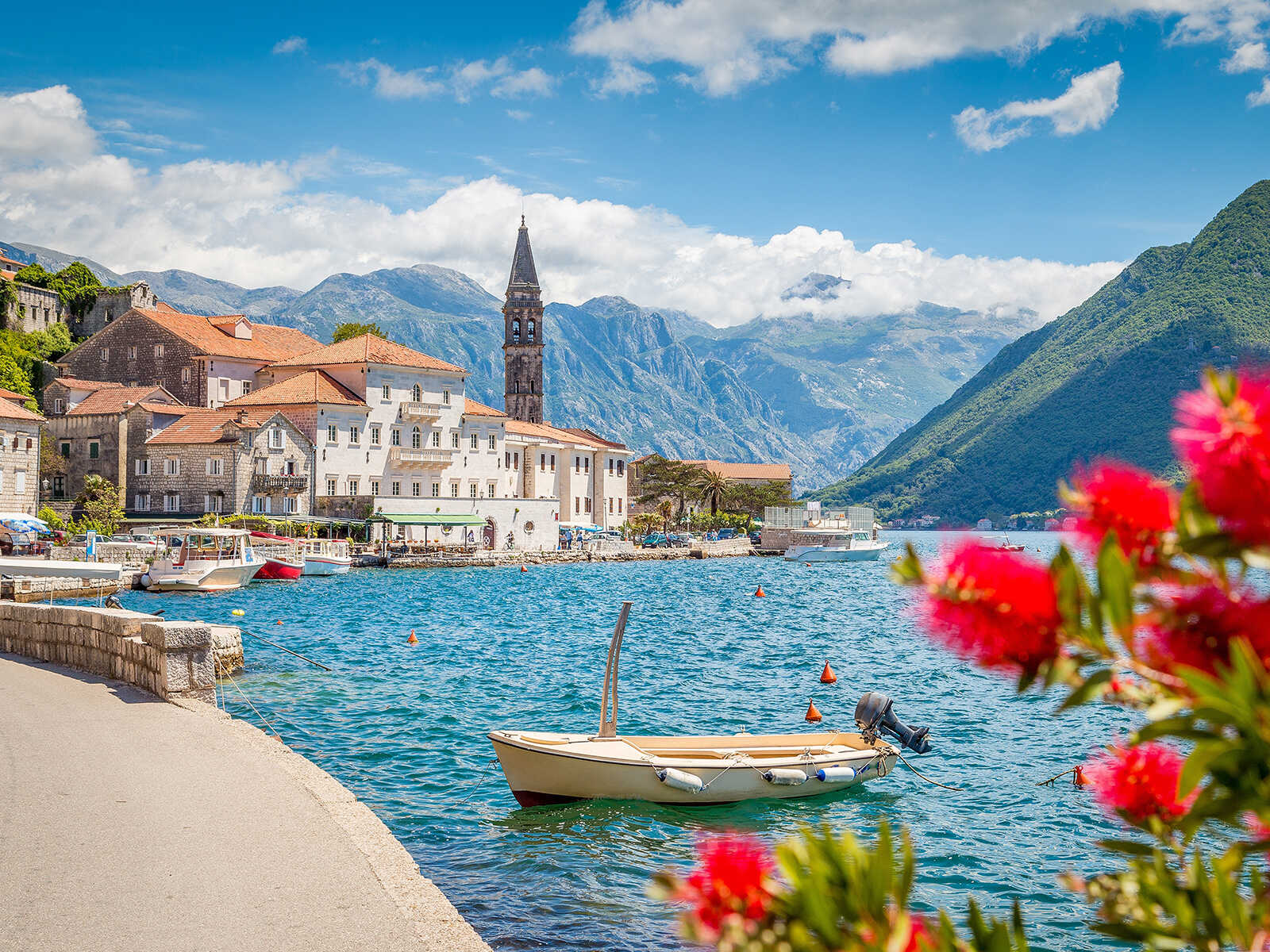
Montenegro Budget Travel Guide: Exploring the Balkans on a Shoestring
Dreaming of Adriatic coasts, majestic mountains, and ancient towns but worried about your wallet? Montenegro, the Jewel of the Balkans, offers an incredible travel experience that doesn't have to break the bank. This guide will show you how to explore its stunning landscapes and rich culture on a shoestring budget, proving that unforgettable adventures are accessible to all.
Why Montenegro is Perfect for Budget Travelers
Montenegro may be small, but it packs a powerful punch of natural beauty and historical charm. From the dramatic Bay of Kotor to the rugged peaks of Durmitor, its diverse landscapes are often free to admire and explore. Compared to its Western European counterparts, Montenegro generally offers more affordable accommodation, food, and transport, making it an ideal destination for cost-conscious adventurers.
Getting There & Around Affordably
Reaching Montenegro Without Overspending
While direct flights to Montenegro's airports (Podgorica or Tivat) might sometimes be pricier, consider flying into nearby regional hubs like Dubrovnik (Croatia) or Tirana (Albania) and then taking a budget-friendly bus across the border. This approach can often lead to significant savings on airfare, allowing you to allocate more to experiences within Montenegro itself.
Navigating Montenegro Economically
- Buses:The most common and economical way to travel between Montenegrin towns and cities is by bus. Services are generally reliable, connecting major hubs like Kotor, Budva, Podgorica, and Bar. Purchase tickets at bus stations or directly from the driver.
- Minibuses/Vans:For shorter distances or routes to smaller villages, local minibuses or shared vans (often called "kombi") can be an even more flexible and budget-friendly option.
- Hitchhiking:While always advising caution, hitchhiking is relatively common and generally considered safe in Montenegro, especially in rural areas. It can be a great way to meet locals and save on transport for shorter hops.
- Walking & Cycling:Many Montenegrin towns, especially the old towns like Old Town Budva or Old Town Herceg Novi, are best explored on foot. For scenic routes, cycling can be a wonderful, low-cost way to see the countryside, though renting a bike will incur a cost.
Accommodation on a Budget
Finding affordable places to stay in Montenegro is easier than you might think, especially if you plan ahead and are open to various options.
- Hostels:Found in popular tourist towns like Kotor, Budva, and Podgorica, hostels offer dorm beds at budget prices, often with communal kitchens for self-catering.
- Private Rooms (Sobe):Look for "Sobe" signs, particularly in coastal towns and villages. These private rooms in local homes are often excellent value, providing a glimpse into local life.
- Camping:For nature lovers, camping is an extremely affordable option. Montenegro boasts several well-equipped campsites, particularly near national parks like Durmitor and along the coast. Wild camping is generally tolerated in non-protected areas but always ask locals for advice.
- Guesthouses & Apartments:Websites like Booking.com and Airbnb often feature competitively priced guesthouses and apartments, especially if you book outside peak season or stay in less touristy areas.
Travel Tip:Visiting Montenegro during the shoulder seasons (April-May or September-October) can significantly reduce accommodation costs while still offering pleasant weather and fewer crowds.
Eating Well Without Breaking the Bank
Montenegrin cuisine is hearty, fresh, and often very affordable. Eating like a local is key to saving money and experiencing authentic flavors.
- Local Markets:Head to local markets for fresh produce, cheeses, olives, and cured meats. This is ideal for preparing your own meals if your accommodation has a kitchen.
- Pekaras (Bakeries):These ubiquitous bakeries offer delicious and cheap pastries, breads, and savory items like burek (flaky pastry filled with meat, cheese, or spinach) perfect for breakfast or a quick snack.
- Street Food:Beyond burek, look for grilled meat stalls (ćevapi, pljeskavica) which are incredibly tasty and filling for a low price.
- Konobas:Seek out traditional "konobas" (taverns) away from the main tourist strips. They serve authentic Montenegrin dishes like grilled fish, stewed meats, and local vegetable sides at more reasonable prices than upscale restaurants.
- Coffee & Drinks:Enjoying a coffee or local beer is generally inexpensive. Tap water is safe to drink in most places, saving you money on bottled water.
Free & Low-Cost Activities
Montenegro's greatest treasures are its natural beauty and historical sites, many of which can be enjoyed for little to no cost.
Embrace Nature's Wonders
- Hiking & Trekking:Explore stunning trails in national parks like Durmitor(home to the breathtaking Tara Canyon),Lovcen National Park, and Biogradska Gora. While national parks might have a small entrance fee, the hiking itself is free.
- Beach Hopping:Montenegro's Adriatic coastline offers numerous beaches. Spend days swimming, sunbathing, and exploring coves. Consider less crowded spots on the Lustica Peninsula or the unique sands of Ada Bojana.
- Lake Skadar:Visit Lake Skadar, the largest lake in Southern Europe. While boat tours have a cost, you can enjoy walking along its shores, swimming in designated areas, or simply admiring the birdlife and scenery for free (a small national park entrance fee may apply).
Discover History & Culture
- Explore Old Towns:Wander through the labyrinthine streets of medieval old towns like those in Kotor,Old Town Budva,Old Town Herceg Novi, and Stari Bar. These open-air museums are free to explore.
- Religious Sites:Many churches and monasteries, such as the famous Ostrog Monastery(though transport to get there incurs a cost), welcome visitors without an entrance fee. Respectful attire is usually required.
- Cetinje:Explore Cetinje, Montenegro's historical royal capital. Many of its charming streets and historical buildings can be seen for free, with small fees for museum entry if desired.
- Scenic Views:Drive or hike to viewpoints overlooking iconic sites like Sveti Stefan for stunning photo opportunities without paying to enter the private island.
Saving Money on Sightseeing & Experiences
- DIY Day Trips:Instead of organized tours, use public buses to visit nearby attractions. For example, take a local bus from Kotor to Perast to see Our Lady of the Rocks(you'll still pay for the short boat ride).
- Free Walking Tours:In larger cities like Kotor, look for free walking tours, often run by local guides working for tips. They offer great insights into the city's history and culture.
- Pack Smart:Bring a reusable water bottle, snacks, and a picnic lunch to save money on food and drinks while out exploring.
Practical Tips for the Budget Traveler
A few smart habits can stretch your budget further in Montenegro:
- Learn Basic Phrases:A few words of Montenegrin (like "Dobar dan" - Hello, "Hvala" - Thank you) can go a long way in connecting with locals and sometimes even getting a better deal.
- Use Local Currency:While Euros are used, always have some smaller denominations for local markets, buses, and small purchases. ATMs are widely available, but be mindful of foreign transaction fees.
- Visit Off-Season:As mentioned, traveling during the spring or autumn months means lower prices for accommodation and fewer crowds, enhancing your experience.
- Be Flexible:Embracing spontaneity and being open to different plans can often lead to unexpected savings and unique experiences.
Montenegro offers an incredible adventure for those willing to explore beyond the usual tourist path and embrace a budget-friendly approach. With its dramatic landscapes, rich history, and warm hospitality, it's a destination that truly delivers exceptional value for money.