
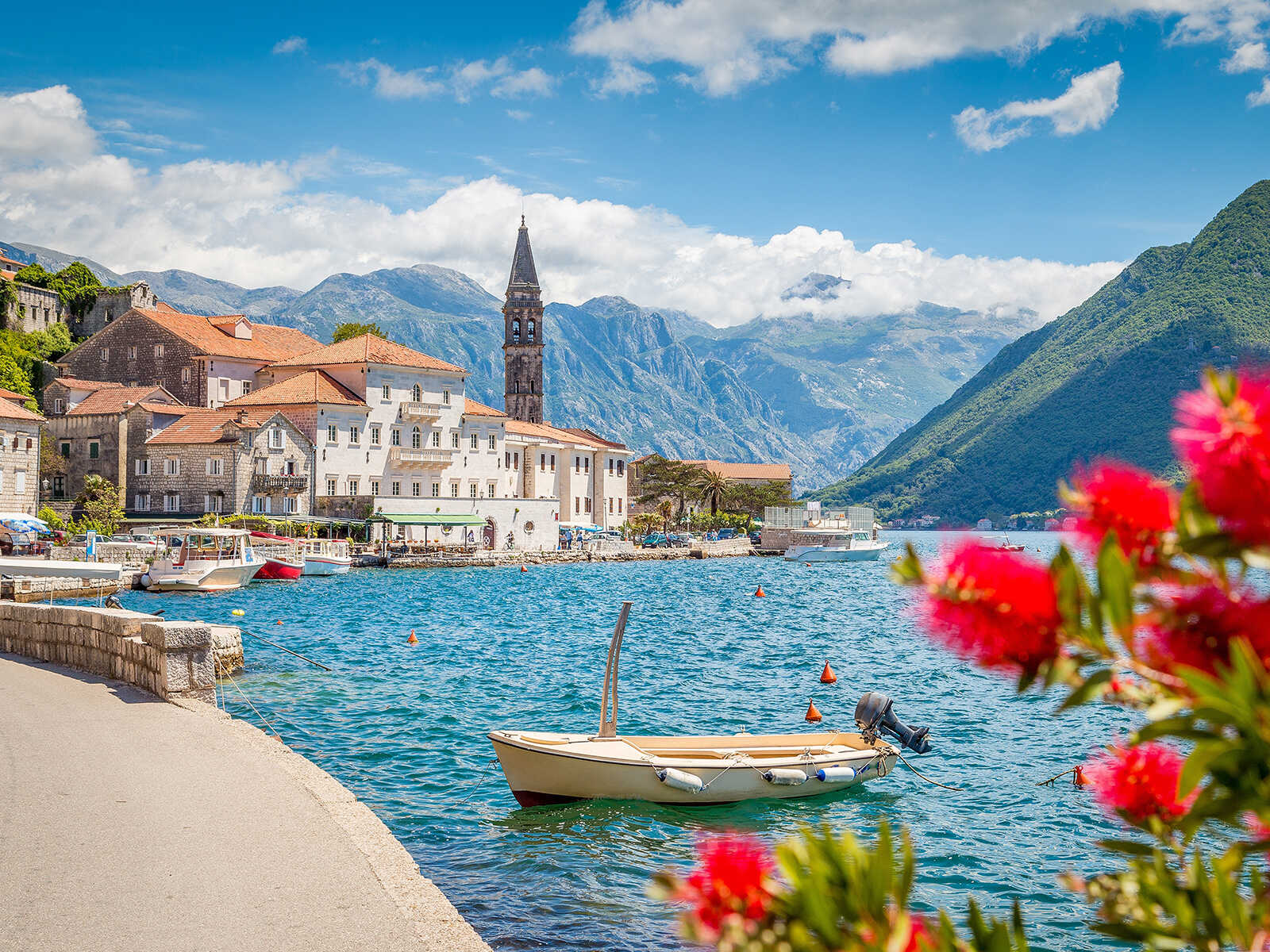
Getting Around Montenegro: A Comprehensive Transportation Guide
Montenegro, a jewel of the Balkans, offers breathtaking landscapes, from dramatic coastlines to rugged mountains and serene lakes. Navigating this diverse terrain is an adventure in itself, with various transportation options available to suit every traveler's preference and budget. This guide will help you understand the best ways to explore Montenegro's wonders.
Arriving in Montenegro: International Access
Your journey to Montenegro typically begins with international travel. The country is well-connected by air, sea, and land.
- By Air:Montenegro has two international airports: Podgorica (TGD), the capital's airport, and Tivat (TIV), primarily serving the coastal region and the Bay of Kotor. Both offer flights to various European cities, especially during peak season.
- By Ferry:The port city of Bar has ferry connections to Italy, offering a scenic entry point for those traveling with vehicles or seeking a different experience.
- By Train:A single international train line connects Bar, Podgorica, and Bijelo Polje to Belgrade, Serbia. This route is renowned for its spectacular mountain scenery.
- By Bus:Montenegro's bus network is extensive and connects to neighboring countries like Serbia, Croatia, Bosnia and Herzegovina, Kosovo, and Albania, making it a convenient option for regional travelers.
Navigating Montenegro: Domestic Transportation Options
Once you're in Montenegro, a range of domestic transport methods awaits, each offering unique advantages for exploring the country's diverse attractions.
Rental Cars: Freedom to Explore
For many travelers, renting a car is the most popular and flexible way to experience Montenegro. It provides the freedom to explore at your own pace, venture off the beaten path, and reach remote locations.
Pros:
- Flexibility:Set your own itinerary and discover hidden gems.
- Access to Remote Areas:Reach national parks like Durmitor,Lovcen National Park,Biogradska Gora, and attractions like Ostrog Monastery or the Tara Canyon without relying on public transport schedules.
- Scenic Drives:Montenegro boasts some incredibly picturesque roads, particularly along the coast and through mountain passes.
Cons:
- Road Conditions:While major roads are generally good, some smaller, more rural roads can be narrow, winding, and poorly maintained, especially in mountainous regions.
- Driving Style:Local drivers can sometimes be aggressive, and caution is advised.
- Parking:Finding parking in popular coastal towns like Old Town Budva or Old Town Herceg Novi, especially during peak season, can be challenging and costly.
Tips for Renting a Car:
- Book in advance, especially during summer.
- An International Driving Permit (IDP) is often recommended or required, alongside your national driving license.
- Ensure your insurance coverage is comprehensive.
- Be prepared for winding mountain roads; some can be quite steep and narrow.
- Fuel stations are widely available in towns and along main roads.
Buses: The Backbone of Public Transport
Montenegro has an extensive and generally reliable bus network, connecting almost every town and city. Buses are an affordable and popular option for both locals and tourists.
- Intercity Travel:Frequent services connect major hubs like Podgorica, Budva, Kotor, Bar, and Ulcinj. You can easily travel to places like Cetinje,Stari Bar, or along the Bay of Kotor.
- Local Buses:Within larger towns and cities, local bus services are available, though less comprehensive than intercity routes.
- Tickets:Tickets can be purchased at bus stations (autobuska stanica) or directly from the driver. It's advisable to buy tickets at the station for longer journeys, especially during busy periods.
- Comfort:Buses range from modern coaches to older models, but most are comfortable enough for intercity travel. Air conditioning is common.
Travel Tip:Bus schedules can sometimes be flexible, so always double-check departure times at the station or with online resources. For popular routes, arriving a bit early is a good idea to secure your seat.
Taxis & Ride-Sharing: Convenience on Demand
Taxis are readily available in Montenegrin towns and cities, offering a convenient way to get around, especially for shorter distances or when carrying luggage.
- Availability:You'll find taxi stands in town centers, near bus stations, and at popular tourist spots.
- Fares:Always ensure the meter is used or negotiate the fare before starting your journey to avoid surprises. Some local apps operate in larger cities, offering transparent pricing.
- Reliability:Official taxis are generally reliable, but it's wise to use reputable companies or ask your accommodation for recommendations.
Trains: A Scenic, Limited Option
Montenegro's railway network is limited but offers a truly spectacular journey, particularly the Bar-Belgrade line. Domestically, the main route connects Bar, Podgorica, and Bijelo Polje.
- Scenic Route:The train journey through Montenegro's mountains, including the famous Mala Rijeka Viaduct, is an experience in itself, offering breathtaking views.
- Limited Network:The train is not a comprehensive way to travel throughout the country, but it's excellent for specific north-south connections.
- Comfort:Trains can vary in age and comfort, but most offer a decent ride.
Ferries & Water Taxis: Exploring the Coast and Lakes
With its stunning coastline and beautiful lakes, water transport plays a significant role in Montenegro.
- Bay of Kotor Ferry:A regular car ferry crosses the narrowest part of the Bay of Kotor between Kamenari and Lepetane, significantly shortening the drive around the bay.
- Water Taxis/Boat Tours:Along the coast, particularly in the Bay of Kotor, water taxis and boat tours are popular. They offer unique perspectives of towns like Perast and Kotor, and access to attractions like Our Lady of the Rocks.
- Lake Skadar Tours:On Lake Skadar, boat tours are a primary way to explore the national park, its islands, and rich birdlife.
- Sveti Stefan:While Sveti Stefan is predominantly a private island resort, some boat tours offer coastal views of this iconic landmark.
- Lustica Peninsula:Exploring the Lustica peninsula's hidden coves and beaches is often best done by boat.
- Ada Bojana:To reach the sandy beaches and unique atmosphere of Ada Bojana, a car or local taxi is usually required, but local boat trips might be available for river exploration.
Walking & Cycling: Embracing Active Travel
For those who prefer a more active way to explore, Montenegro offers excellent opportunities for walking and cycling.
- Within Towns:Most Montenegrin towns, especially the historic centers, are best explored on foot. Wander through the cobblestone streets of Kotor Old Town or Budva Old Town to truly soak in the atmosphere.
- Hiking:National parks like Durmitor and Lovcen National Park boast extensive hiking trails suitable for various fitness levels.
- Cycling:While main roads can be challenging for cyclists due to traffic and terrain, dedicated cycling routes are emerging, particularly along the coast and around Lake Skadar. Always consider the mountainous landscape when planning a cycling trip.
Essential Tips for Travelers
- Road Conditions:Be aware that while main roads are generally well-maintained, secondary roads, especially in mountainous regions, can be narrow, winding, and sometimes lack guardrails. Drive defensively and be prepared for sudden changes in conditions.
- Navigation:Download offline maps before you travel, as mobile data coverage can be spotty in remote areas. Google Maps or similar apps are generally reliable.
- Language:While many people in tourist areas speak English, learning a few basic Montenegrin phrases (e.g., "Dobar dan" for "Good day," "Hvala" for "Thank you") can greatly enhance your interactions.
- Flexibility:Especially when relying on public transport, it's wise to build some flexibility into your itinerary. Schedules can sometimes be fluid.
- Seasonal Considerations:During peak summer months (July-August), traffic on coastal roads can be heavy, and parking challenging. In winter, mountain roads may be affected by snow, requiring appropriate tires or chains.
Conclusion: Your Montenegro Journey Awaits
Whether you choose the independence of a rental car, the cost-effectiveness of a bus, the unique perspective of a boat trip, or the active exploration of walking, Montenegro offers a rich tapestry of transportation options. Each method provides a different window into this captivating country, allowing you to tailor your journey to your personal style and desired pace. Embrace the adventure, and prepare to be enchanted by Montenegro's unparalleled beauty.