
Exploring Montenegro's National Parks: Durmitor, Skadar, Lovcen & Biogradska Gora
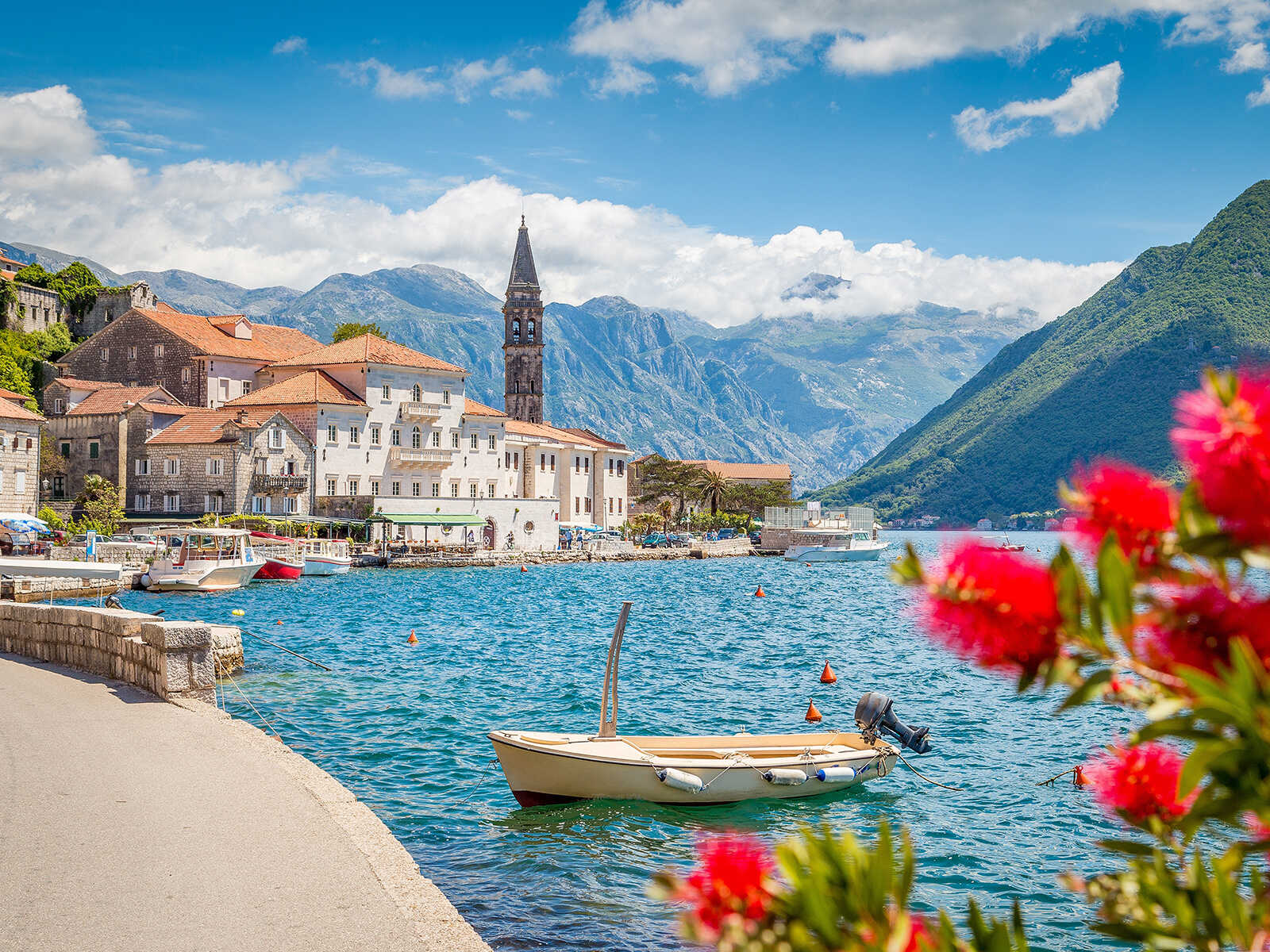
Montenegro, a small nation on the Balkan Peninsula, boasts a dramatic landscape where rugged mountains meet the azure Adriatic. Beyond its captivating coastline, the country is a sanctuary of pristine nature, protected by an impressive network of national parks. These parks offer a diverse range of experiences, from thrilling adventures to serene encounters with ancient forests and abundant wildlife.
Montenegro's Natural Treasures: An Overview
Montenegro proudly safeguards much of its stunning natural heritage within five national parks. Each park presents a distinct ecosystem and unique attractions, inviting visitors to explore everything from towering peaks and deep canyons to vast lakes and primeval forests. Whether you seek adrenaline-pumping activities or tranquil moments in nature, Montenegro's national parks promise unforgettable experiences.
Durmitor National Park: The Jewel of the North
Nestled in the Dinaric Alps,Durmitor National Park is a UNESCO World Heritage site renowned for its breathtaking glacial landscapes. Dominated by mighty peaks, including Bobotov Kuk (2,523 m), the park is a paradise for hikers, climbers, and nature enthusiasts. Its most iconic features are the 18 glacial lakes, often referred to as "Mountain Eyes," with the striking Black Lake being the most famous and accessible.
Durmitor is also home to the spectacular Tara River Canyon, one of the deepest canyons in the world and a UNESCO Biosphere Reserve. This natural wonder offers thrilling white-water rafting opportunities, providing an exhilarating way to experience its grandeur. In winter, Durmitor transforms into a popular destination for skiing and snowboarding, particularly around the town of Žabljak.
Fun Fact:The Tara River Canyon is often called the "Tear of Europe" due to its crystal-clear waters and pristine nature. It is the second deepest canyon globally, surpassed only by the Grand Canyon.
Beyond adventure, Durmitor's diverse flora and fauna thrive, with endemic species and a chance to spot brown bears, wolves, and eagles for the lucky few. Scenic drives, such as the Durmitor Ring, offer panoramic views and access to charming traditional villages.
Skadar Lake National Park: A Birdwatcher's Paradise
Skadar Lake, shared with Albania, is the largest lake in the Balkans and a designated National Park and Ramsar site. This vast freshwater expanse is a mosaic of open water, extensive wetlands, and floating water lily carpets, creating an unparalleled habitat for a myriad of bird species. It's one of Europe's most important bird reserves, home to over 270 species, including the rare Dalmatian pelican.
Exploring Skadar Lake is best done by boat. Numerous local operators offer tours that navigate through channels, past tiny islands (known asgorice) topped with ancient monasteries like Ostrog Monastery(though Ostrog is not on the lake, many tours will pass by historical sites and monasteries accessible by boat on the lake). Visitors can discover hidden beaches, charming fishing villages like Virpazar, and the ruins of medieval fortresses.
Activities include birdwatching, kayaking through tranquil waterways, cycling along the scenic lakeside roads, and enjoying fresh fish in local restaurants. The park's rich cultural heritage is also evident in its traditional architecture and historical sites.
Lovćen National Park: History, Views & Heritage
Perched above the stunning Bay of Kotor,Lovćen National Park holds deep historical and cultural significance for Montenegrins. It is the symbolic heart of the nation, often referred to as the "altar of Montenegro." The park's most prominent feature is Mount Lovćen itself, with its two peaks, Štirovnik and Jezerski vrh.
At the summit of Jezerski vrh lies the magnificent Mausoleum of Petar II Petrović-Njegoš, Montenegro's greatest philosopher-prince and poet. Reaching the mausoleum involves a challenging climb of 461 steps, but the reward is a breathtaking 360-degree panoramic view that encompasses almost the entire country, stretching from the Adriatic Sea to the distant mountains.
Lovćen offers excellent hiking and cycling trails, allowing visitors to explore its diverse landscapes of forests and rocky karsts. The park is easily accessible from the historic royal capital of Cetinje, which lies at its eastern base, and provides a stunning backdrop to the winding Serpentine Road leading up from Kotor.
Biogradska Gora National Park: Europe's Primeval Forest
One of the smallest yet most captivating national parks,Biogradska Gora, is a true ecological gem. Located in the heart of the Bjelasica mountain range, it stands as one of Europe's last three remaining primeval forests. This ancient woodland, a UNESCO Biosphere Reserve, boasts trees over 500 years old, some reaching heights of 60 meters.
The park's centerpiece is Biogradsko Lake, a beautiful glacial lake surrounded by dense forest, offering a serene setting for relaxation and easy walks. A well-maintained circular path around the lake provides a gentle introduction to the park's natural beauty, complete with educational signboards about its unique ecosystem.
For more adventurous visitors, numerous hiking trails lead deeper into the forest, revealing hidden waterfalls, diverse plant life, and the chance to observe various animal species. Biogradska Gora is a sanctuary for biodiversity, representing a truly untouched corner of Europe.
Planning Your National Park Adventure
Visiting Montenegro's national parks requires some planning to make the most of your experience. While each park offers unique attractions, here are some general tips:
- Best Time to Visit:Spring (April-May) and autumn (September-October) offer pleasant temperatures for hiking and fewer crowds. Summer (June-August) is ideal for water activities on Skadar Lake and higher mountain treks in Durmitor. Winter is best for skiing in Durmitor.
- Transportation:Renting a car provides the most flexibility for exploring the parks, as public transport can be limited. Organized tours are also available from major towns like Kotor, Budva (Old Town Budva), and Podgorica.
- Accommodation:Each park has towns or villages nearby offering various accommodation options, from hotels and guesthouses to mountain huts and campsites.
- Gear:Depending on your planned activities, pack appropriate hiking boots, waterproof clothing, sun protection, and plenty of water.
- Respect Nature:Always follow Leave No Trace principles, stay on marked trails, and do not disturb wildlife.
Embark on Your Montenegrin Journey
Montenegro's national parks are more than just protected areas; they are vibrant living museums showcasing the country's profound natural beauty and rich cultural heritage. From the rugged peaks of Durmitor to the serene wetlands of Skadar Lake, the historic vistas of Lovćen, and the ancient embrace of Biogradska Gora, each park offers a distinct and unforgettable adventure. Immerse yourself in these incredible landscapes and discover why Montenegro is truly the "Pearl of the Balkans."