
Essential Montenegrin Phrases for Travelers: Language Guide
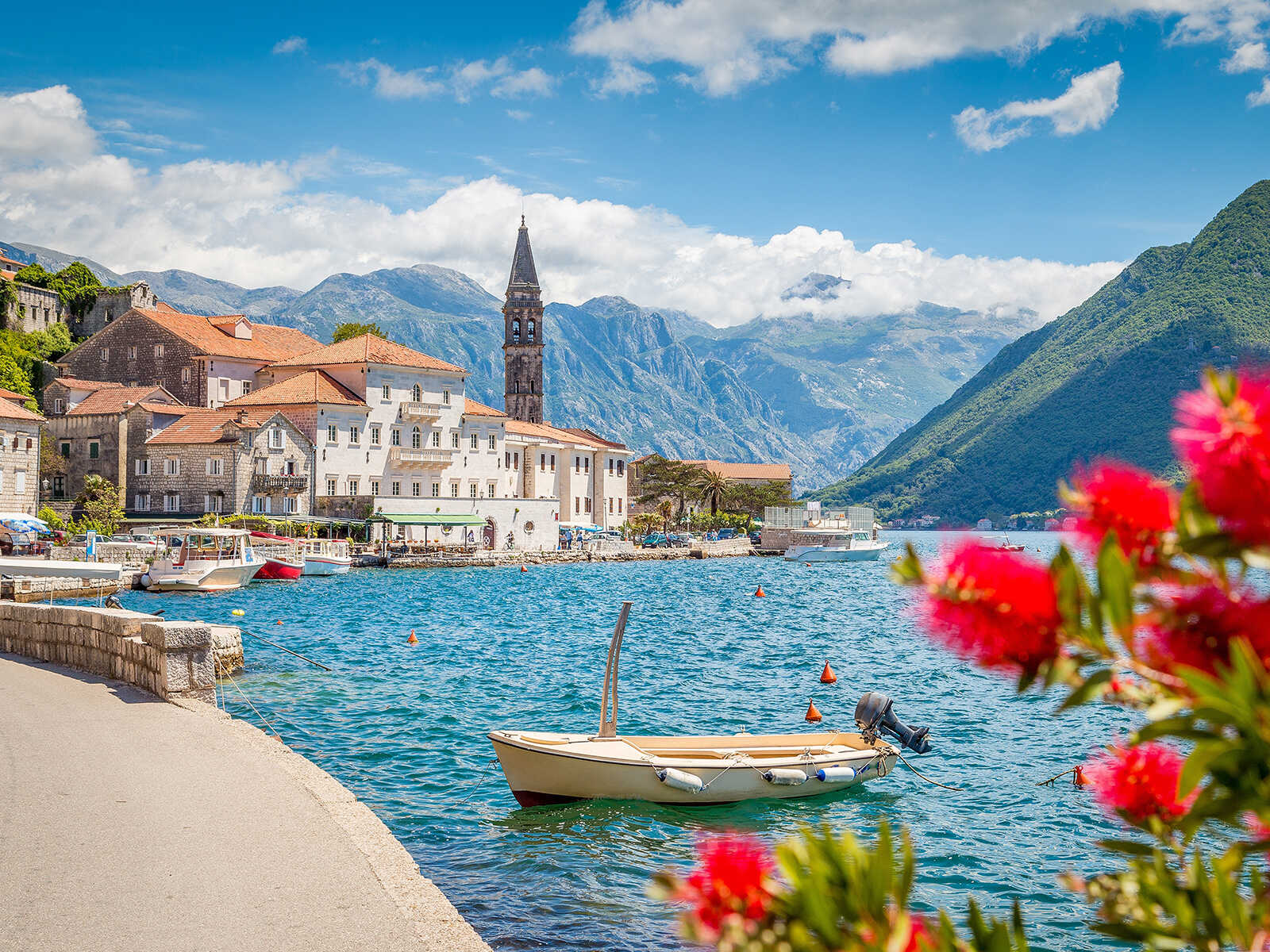
Venturing into Montenegro, a land of rugged mountains, ancient towns, and sparkling Adriatic waters, is an unforgettable experience. While English is spoken in many tourist hubs, learning a few basic Montenegrin phrases can significantly enhance your trip, fostering deeper connections and a richer cultural immersion.
Why Learn a Few Montenegrin Phrases?
Montenegro, though small, boasts a vibrant culture and warm, welcoming locals. Making an effort to speak their language, even just a few words, is always met with appreciation and often a wider smile. It opens doors to more authentic interactions, from ordering coffee in a small village cafe to navigating the bustling markets of Old Town Budva or the serene landscapes around Lake Skadar.
While guides and tourist information are often available in English, especially in popular destinations like the Bay of Kotor or around Sveti Stefan, venturing off the beaten path requires a bit more linguistic confidence. Even simple greetings can bridge cultural gaps and transform a transactional encounter into a memorable interaction.
The Montenegrin Language: A Quick Overview
Montenegrin is a South Slavic language, closely related to Serbian, Bosnian, and Croatian. Historically, it was often considered a dialect of Serbo-Croatian, but it gained official recognition as a distinct language in Montenegro's constitution. It uses both the Latin and Cyrillic alphabets, though for travelers, the Latin script is predominantly used and easier to learn.
Don't be intimidated by the seemingly complex sounds; many words are pronounced phonetically. The key is to listen and try your best. Montenegrins are generally very patient and encouraging of foreigners attempting their language.
Basic Greetings and Courtesies
Starting with a polite greeting is the easiest way to make a good impression.
- Hello:Zdravo(Zdrah-voh) orDobar dan(Doh-bar dahn - Good day)
- Good morning:Dobro jutro(Doh-broh yoo-troh)
- Good evening:Dobro veče(Doh-broh veh-cheh)
- Good night:Laku noć(Lah-koo noch)
- Goodbye:Doviđenja(Doh-vee-jeh-nyah)
- Please:Molim(Moh-leem)
- Thank you:Hvala(Hva-lah)
- You're welcome:Nema na čemu(Neh-mah nah cheh-moo)
- Excuse me (to get attention or pass):Izvinite(Eez-vee-nee-teh)
- Sorry:Žao mi je(Zha-oh mee yeh)
- Yes:Da(Dah)
- No:Ne(Neh)
- I don't understand:Ne razumijem(Neh rah-zoo-mee-yem)
- Do you speak English?:Govorite li engleski?(Goh-voh-ree-teh lee en-gleh-skee?)
Getting Around
Navigating Montenegrin towns and landscapes becomes much smoother with a few directional phrases. Whether you're exploring the winding streets of Old Town Herceg Novi or finding your way to a secluded beach on Luštica, these phrases will be invaluable.
- Where is...?:Gdje je...?(Gdyeh yeh...?)
- The bus station:Autobuska stanica(Ow-toh-boos-kah stah-nee-tsah)
- The hotel:Hotel(Hoh-tel)
- The toilet/restroom:Toalet/WC(Toh-ah-let / Veh-tseh)
- Left:Lijevo(Lee-yeh-voh)
- Right:Desno(Des-noh)
- Straight ahead:Pravo(Prah-voh)
- Here:Ovdje(Ovd-yeh)
- There:Tamo(Tah-moh)
Travel Tip:When asking for directions, locals often use hand gestures. Pointing with the lips is also a common, non-verbal way to indicate direction in Montenegro and other Balkan countries.
Dining Out
Montenegrin cuisine is a delightful blend of Mediterranean and Balkan influences. From fresh seafood on the coast to hearty stews in the mountains near Durmitor, knowing how to order will enrich your culinary journey.
- A table for two, please:Sto za dvoje, molim(Stoh zah doh-vyeh, moh-leem)
- Menu, please:Jelovnik, molim(Yeh-lov-neek, moh-leem)
- Water:Voda(Voh-dah)
- Coffee:Kafa(Kah-fah)
- Beer:Pivo(Pee-voh)
- Wine:Vino(Vee-noh)
- Food:Hrana(Hrah-nah)
- Delicious:Ukusno(Oo-koos-noh)
- The bill, please:Račun, molim(Rah-choon, moh-leem)
- Vegetarian:Vegetarijanac(Veh-geh-tah-ree-yah-nats)
- No meat:Bez mesa(Bez meh-sah)
Shopping and Bargaining (Politely)
While bargaining isn't a widespread practice in Montenegrin shops, it might occasionally be appropriate in local markets, such as those found near Stari Bar. Even if you don't bargain, knowing these phrases helps with understanding prices and making purchases.
- How much is this?:Koliko je ovo?(Koh-lee-koh yeh oh-voh?)
- I would like...:Želio bih...(Zheh-lee-oh bih... - male speaker) /Željela bih...(Zheh-lyeh-lah bih... - female speaker)
- Numbers 1-10:
- jedan(yeh-dahn)
- dva(dvah)
- tri(tree)
- četiri(cheh-tee-ree)
- pet(pet)
- šest(shest)
- sedam(seh-dahm)
- osam(oh-sahm)
- devet(deh-vet)
- deset(deh-set)
Emergencies and Asking for Help
While we hope you won't need them, knowing a few emergency phrases is crucial for any traveler.
- Help!:Upomoć!(Oo-poh-moch!)
- I need help:Treba mi pomoć(Treh-bah mee poh-moch)
- Doctor:Doktor(Dok-tor)
- Police:Policija(Poh-lee-tsee-yah)
- Hospital:Bolnica(Bohl-nee-tsah)
- Call an ambulance:Pozovite hitnu pomoć(Poh-zoh-vee-teh heet-noo poh-moch)
Useful Phrases for Specific Scenarios
Montenegro offers diverse experiences, from hiking the peaks of Lovćen National Park to visiting historical sites like Ostrog Monastery. These phrases might come in handy.
- Beautiful!:Prelijepo!(Preh-lee-yeh-poh!) - Perfect for describing the Tara Canyon or the views from Our Lady of the Rocks.
- I like it:Sviđa mi se(Svee-jah mee seh)
- What is this?:Šta je ovo?(Shta yeh oh-voh?) - Useful when exploring the ancient forests of Biogradska Gora or the historical city of Cetinje.
- Can I take a photo?:Mogu li da slikam?(Moh-goo lee dah slee-kahm?)
Pronunciation Tips
Montenegrin pronunciation is relatively straightforward once you grasp a few key rules:
- 'J'is pronounced like the 'y' in "yes." (e.g.,jutro- yoo-troh)
- 'C'is like 'ts' in "cats." (e.g.,Cetinje- Tseh-teen-yeh)
- 'Č'is a hard 'ch' sound, like in "church."
- 'Ć'is a soft 'ch' sound, like in "future."
- 'Š'is like 'sh' in "shop." (e.g.,šest- shest)
- 'Ž'is like 's' in "measure" or 'z' in "azure." (e.g.,žao- zha-oh)
- 'Đ'is like 'j' in "jump" or 'dg' in "edge."
- 'Dž'is also like 'j' in "jump" but slightly harder.
- Vowels are generally pronounced as in Italian or Spanish: a (ah), e (eh), i (ee), o (oh), u (oo).
Don't worry about perfect pronunciation. The effort itself is what matters most to locals.
Embrace the Effort
Learning a few phrases isn't just about practical communication; it's about showing respect for the local culture and enhancing your travel experience. You'll find that Montenegrins are delighted when visitors attempt to speak their language, often responding with warmth and helpfulness.
Even a simple "Hvala" (Thank you) can lead to a more memorable interaction than a quick "thanks" in English. So, download a translation app, practice on the plane, and be ready to immerse yourself fully in the Montenegrin way of life.
Your adventure through Montenegro, from the stunning national parks like Durmitor to the charming coastal towns, will be infinitely richer when you connect with its people through their language. Srećan put! (Sreh-chan poot! - Have a good trip!)