
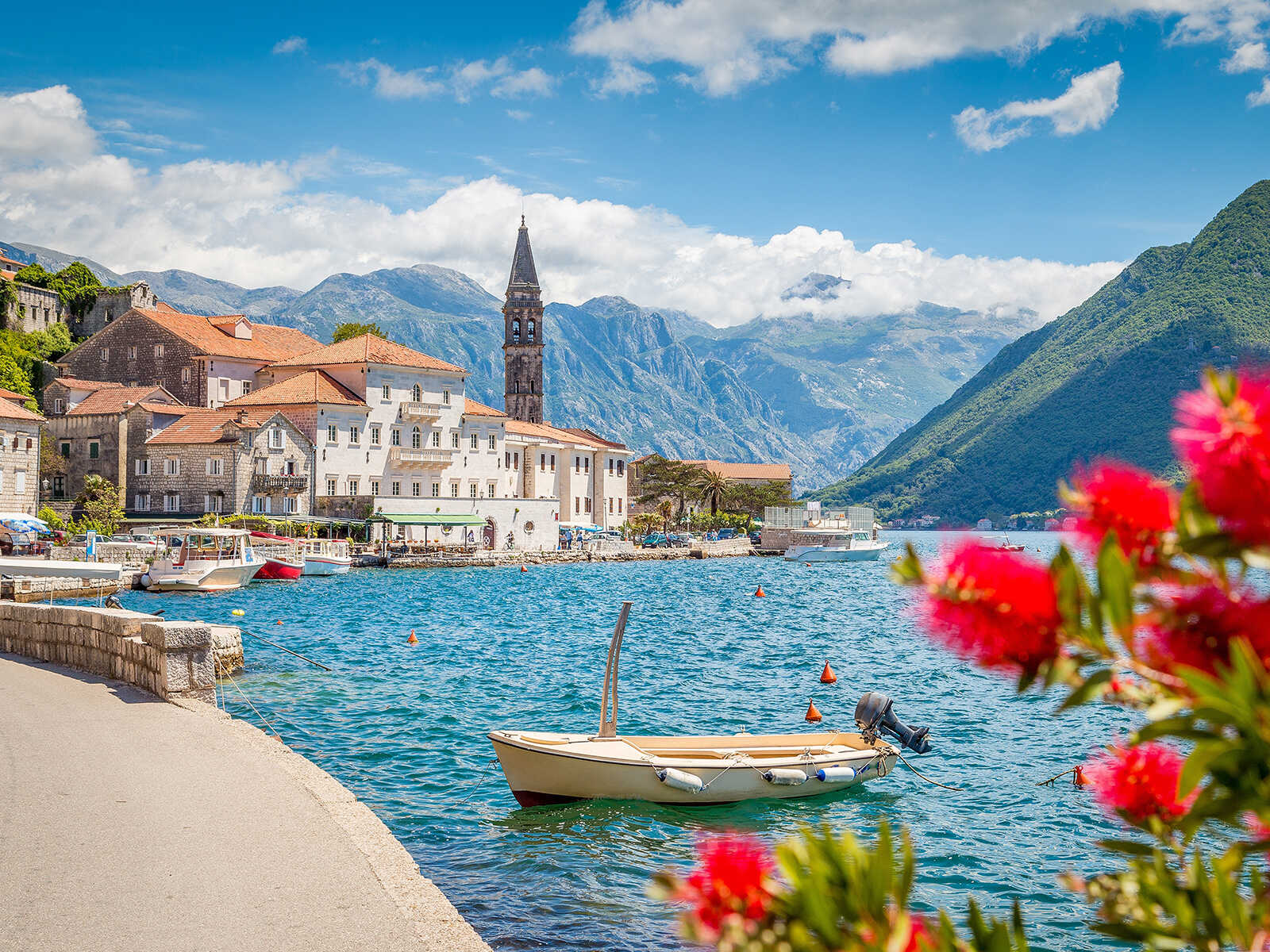
Cetinje: Montenegro's Royal Capital and Cultural Heart
Nestled beneath Mount Lovćen, Cetinje stands as Montenegro's historical and cultural soul. This charming town, once the royal capital, offers a captivating journey through centuries of Montenegrin statehood, resilience, and artistic heritage, far removed from the bustling coastal resorts.
A Glimpse into Cetinje's Past: The Cradle of Montenegrin Statehood
Cetinje's story began in the late 15th century when Ivan Crnojević, a Montenegrin ruler, moved his capital here to escape Ottoman incursions. Strategically located and easily defensible, it became the unwavering spiritual and political heart of Montenegro for over 500 years. Despite numerous sieges and destructions, Cetinje always rose from its ashes, embodying the indomitable spirit of the Montenegrin people.
The town served as the capital of the Principality, then the Kingdom of Montenegro, until 1918. Its streets whisper tales of princes, bishops, and diplomats, reflecting a rich legacy that is palpable in its well-preserved architecture and numerous museums. Today, while Podgorica is the administrative capital, Cetinje retains its honorary title of Old Royal Capital (Prijestonica), a testament to its profound historical significance.
Architectural Charms: Royal Residences and Diplomatic Grandeur
Walking through Cetinje is like stepping back in time. The town's architecture, characterized by modest yet elegant buildings, tells the story of its royal past and its brief but vibrant diplomatic era.
The King Nikola Museum (Former Royal Palace)
At the heart of Cetinje stands the former residence of Montenegro's last sovereign, King Nikola I Petrović-Njegoš. Built in 1863, this modest palace now houses the King Nikola Museum, offering a fascinating insight into royal life. Visitors can explore the King's study, Queen Milena's salon, and various other rooms filled with period furniture, portraits, and royal artifacts, providing a personal look at the Petrović-Njegoš dynasty.
Biljarda (Bishop Danilo's Residence)
Constructed in 1838 by Petar II Petrović-Njegoš, one of Montenegro's most revered rulers, poets, and philosophers, Biljarda served as a fortress-like residence and a symbol of Montenegrin independence. Its name, "Biljarda," comes from the billiard table Njegoš acquired and installed there, a rare luxury for its time. Today, it hosts the Njegoš Museum, dedicated to his life and literary work, including his epic poem,The Mountain Wreath.
The Blue Palace (Plavi Dvorac)
Originally built in 1895 as the residence for Crown Prince Danilo, the Blue Palace is an exquisite example of late 19th-century architecture. Its distinctive blue façade gives it its popular name. Today, it serves as the official residence of the President of Montenegro, linking Cetinje's royal past with its modern political identity.
Former Embassies
During its brief period as a recognized independent state at the turn of the 20th century, Cetinje hosted a remarkable number of foreign embassies for a town of its size. Grand buildings that once housed the diplomatic missions of Russia, Austria-Hungary, France, Italy, and Great Britain still stand, each with unique architectural details. These former embassies now serve various purposes, from art galleries to music academies, but their imposing presence evokes a bygone era of international diplomacy.
Spiritual Sanctuaries and Cultural Institutions
Cetinje is not only a historical capital but also a spiritual and cultural beacon, home to significant religious sites and national museums.
Cetinje Monastery
The spiritual heart of Cetinje is undoubtedly the Cetinje Monastery. Founded in 1484 by Ivan Crnojević, it has been rebuilt multiple times after numerous destructions. It serves as the seat of the Metropolitanate of Montenegro and the Littoral. The monastery complex houses important relics, including the right hand of St. John the Baptist and a particle of the True Cross, making it a revered pilgrimage site. Its serene courtyard and ancient walls offer a profound sense of history and spirituality.
Did you know?The Cetinje Monastery holds one of the most significant collections of Orthodox Christian relics, attracting pilgrims from around the world.
The National Museum of Montenegro
This institution encompasses several distinct museums, offering a comprehensive overview of Montenegrin history, art, and ethnography. Located within close proximity, these museums provide an immersive cultural experience:
- The Art Museum:Features a remarkable collection of Montenegrin and Yugoslav art, as well as an impressive display of icons.
- The Ethnographic Museum:Showcases traditional Montenegrin costumes, tools, and household items, illustrating the rich folk culture.
- The Historical Museum:Chronicles Montenegro's turbulent past, from ancient times to the 20th century, with artifacts, documents, and weaponry.
- The Njegoš Museum:As mentioned, located in Biljarda, dedicated to the life and work of Petar II Petrović-Njegoš.
Relief Map of Montenegro
A unique outdoor exhibit, the Relief Map of Montenegro, created by Austro-Hungarian cartographers in 1917, offers a stunning three-dimensional representation of the country's rugged terrain. Covering an area of 10x10 meters, it provides an unparalleled perspective on Montenegro's dramatic mountains and intricate coastline.
Embracing Nature: Cetinje's Green Surroundings
Beyond its historical core, Cetinje is a gateway to some of Montenegro's most breathtaking natural landscapes.
Lovćen National Park
Just a short drive from Cetinje lies Lovćen National Park, a majestic mountain range considered sacred by Montenegrins. The park's most prominent feature is the Njegoš Mausoleum, perched atop Jezerski Vrh, offering panoramic views that stretch across the entire country, from the Bay of Kotor to Lake Skadar and beyond. The winding road up to Lovćen, particularly the famous Serpentine Road, is an experience in itself, with countless hairpin bends offering spectacular vistas at every turn.
Lipa Cave
For those seeking adventure beneath the surface,Lipa Cave, located just a few kilometers from Cetinje, offers an enthralling underground experience. As one of Montenegro's largest and most beautiful cave systems, it features impressive stalactites, stalagmites, and underground rivers, explored via guided tours.
Experiencing Cetinje: Practical Tips for Visitors
Cetinje is easily accessible and best explored on foot, allowing visitors to soak in its unique atmosphere.
Getting There
Cetinje is well-connected by road. It's approximately a 45-minute drive from the capital, Podgorica, and about an hour from coastal towns like Old Town Budva or the stunning Bay of Kotor. Regular bus services operate from these locations, making it a convenient day trip or a base for exploring the region.
Getting Around
The town center of Cetinje is compact and pedestrian-friendly, making it ideal for walking. Most major attractions are within easy reach of each other, allowing for a leisurely exploration of its historical sites and charming streets.
Where to Eat
Cetinje offers several local restaurants and cafes where visitors can savor traditional Montenegrin cuisine. Expect hearty dishes such askačamak(a cornmeal and potato dish), grilled meats, and local cheeses. Cafes along the main promenade are perfect for enjoying a coffee and observing local life.
Best Time to Visit
Spring (April-May) and autumn (September-October) offer the most pleasant weather for exploring Cetinje and its surroundings. The temperatures are mild, and the natural scenery is at its most vibrant, making it ideal for both cultural tours and outdoor activities in Lovćen National Park.
Why Cetinje is a Must-Visit
Cetinje offers a distinct experience compared to Montenegro's more famous coastal destinations. It's a place where history is alive, where every building tells a story, and where the spirit of Montenegrin independence was forged. From its royal palaces and ancient monastery to its rich museums and proximity to stunning natural parks, Cetinje provides a deeper understanding of this fascinating Balkan nation. It's an essential stop for anyone wishing to delve into the true cultural heart of Montenegro.
Whether you're a history buff, a culture enthusiast, or simply seeking an authentic Montenegrin experience away from the tourist crowds, Cetinje promises a memorable and enriching visit.