
Budva Old Town Guide: History, Beaches, and Nightlife
Nestled on Montenegro's Adriatic coast, Budva's Old Town, known as Stari Grad, is a captivating blend of ancient history, stunning beaches, and a vibrant contemporary scene. This walled city offers a unique Mediterranean experience, inviting visitors to explore its cobbled streets, soak up the sun, and enjoy its lively evenings.A Journey Through Time: History of Budva's Stari Grad
The history of Budva Old Town is as rich and layered as its stone walls. Believed to be one of the oldest settlements on the Adriatic, its origins trace back over 2,500 years. Legend attributes its founding to Cadmus, a Phoenician hero, though archaeological evidence points to Illyrian roots.
Throughout its long existence, Budva has fallen under the sway of numerous empires and cultures, each leaving an indelible mark. The Romans, Byzantines, and Serbs all held influence, but it was the Venetians who truly shaped its current appearance. From the 15th to the late 18th century, Budva was a Venetian stronghold, fortifying the city against Ottoman incursions. This period saw the construction of most of the city's iconic architecture, including its robust walls and many of its churches.
Following the fall of Venice, Budva experienced brief periods of French and Russian rule before becoming part of the Austro-Hungarian Empire in the 19th century. The 20th century brought further changes, including devastating earthquakes in 1979 that required extensive restoration efforts. Today, the Old Town stands proudly, a testament to its resilience and enduring beauty.
Interesting Fact:The city walls of Budva were strategically built to withstand pirate attacks and sieges, showcasing advanced medieval engineering that remains impressive today.
Exploring the Historic Walls: What to See and Do
Stepping through one of the Old Town's gates is like travelling back in time. The narrow, winding streets, charming squares, and ancient buildings invite exploration at a leisurely pace.
The Citadel and City Walls
Dominating the southern tip of the Old Town, the Budva Citadel is arguably the most impressive historical site. Originally an ancient fortress, it offers breathtaking panoramic views of the sea, the surrounding Riviera, and the entire Old Town. Inside, you'll find a small museum, a library, and a restaurant. Walking along the city walls provides another fantastic perspective, allowing you to appreciate the architectural grandeur and strategic location.
Churches and Religious Sites
Budva's Old Town is home to several historic churches, each with its own story:
- St. Ivan Church (Sveti Ivan):With its distinctive bell tower, this is the largest and most prominent church in the Old Town. Originally built in the 7th century, it has been renovated and expanded over centuries, housing valuable icons and artworks.
- Holy Trinity Church (Sveta Trojica):Located near the Citadel, this beautiful Orthodox church was built in 1804. Its colourful fresco above the entrance and serene interior are worth a visit.
- Santa Maria in Punta Church (Santa Marija in Punta):Dating back to 840 AD, this is one of the oldest churches in Budva. It's now often used for cultural events and exhibitions.
Museums and Galleries
For those keen to delve deeper into Budva's past, theBudva City Museum(Muzej grada Budve) houses archaeological and ethnographic collections, showcasing artefacts from Illyrian, Hellenistic, Roman, and medieval periods. Small art galleries also dot the Old Town, featuring local and regional artists.
Wandering and Shopping
Lose yourself in the labyrinthine streets, discovering hidden courtyards, boutique shops, and charming cafes. The Old Town is a perfect place for souvenir hunting, with local crafts, jewellery, and art on offer. Enjoy a coffee or a traditional Montenegrin meal in one of the many atmospheric restaurants.
Sun, Sand, and Sea: Budva's Best Beaches
Beyond its ancient walls, Budva is famous for its stunning coastline and crystal-clear Adriatic waters. The Old Town itself is just steps away from several beautiful beaches.
- Mogren Beach:Often cited as one of Montenegro's most beautiful beaches, Mogren is actually two beaches (Mogren I and Mogren II) connected by a short tunnel through the rock. Accessible via a scenic coastal path from the Old Town, these sandy stretches are famous for their golden sand and dramatic cliff backdrops.
- Ričardova Glava:Directly below the Old Town walls, this small, pebbly beach is convenient and lively, especially during the summer. It's named after Richard Widmark, who filmed "The Long Ships" here.
- Pizana:Another small beach located near the Old Town harbour, Pizana is popular with families due to its shallow waters and proximity to amenities.
The wider Budva Riviera boasts numerous other fantastic beaches, including the expansive Slovenska Plaža, the popular Jaz Beach, and the iconic view of Sveti Stefan from its public beach.
Night Owls Rejoice: Budva's Vibrant Nightlife
As the sun sets, Budva Old Town transforms. While the broader Budva area is known as the "Miami of Montenegro" for its large open-air clubs, the Old Town offers a more intimate yet equally lively evening experience.
- Bars and Pubs:Within the ancient walls, you'll find numerous charming bars and pubs. From cozy wine bars to lively spots with live music, there's a place for every mood. Enjoy a refreshing cocktail or a local rakija as you soak in the historical ambiance.
- Restaurants:The Old Town boasts an excellent culinary scene. Dine on fresh seafood, traditional Montenegrin dishes, or international cuisine in restaurants that often feature outdoor seating in picturesque squares or along the waterfront.
- Cultural Events:Especially during the summer months, the Old Town hosts various cultural events, including concerts, theatre performances, and art exhibitions, often held in historical venues like the Citadel or Santa Maria in Punta Church.
Practical Tips for Visiting Budva Old Town
- Best Time to Visit:The shoulder seasons (May-June and September-October) offer pleasant weather, fewer crowds, and a more relaxed atmosphere. July and August are peak season, bustling with tourists.
- Getting There:Budva is easily accessible. The nearest airports are Tivat (TIV) and Podgorica (TGD). From there, taxis or pre-booked transfers are readily available. Buses connect Budva with other major Montenegrin towns and cities, including Kotor and Cetinje.
- Getting Around:The Old Town is pedestrian-only. Wear comfortable shoes as you'll be walking on cobblestones.
- Dress Code:When visiting churches, it's respectful to dress modestly, covering shoulders and knees.
Beyond Budva: Day Trips from the Riviera
Budva's central location on the Montenegrin coast makes it an ideal base for exploring other wonders of the country:
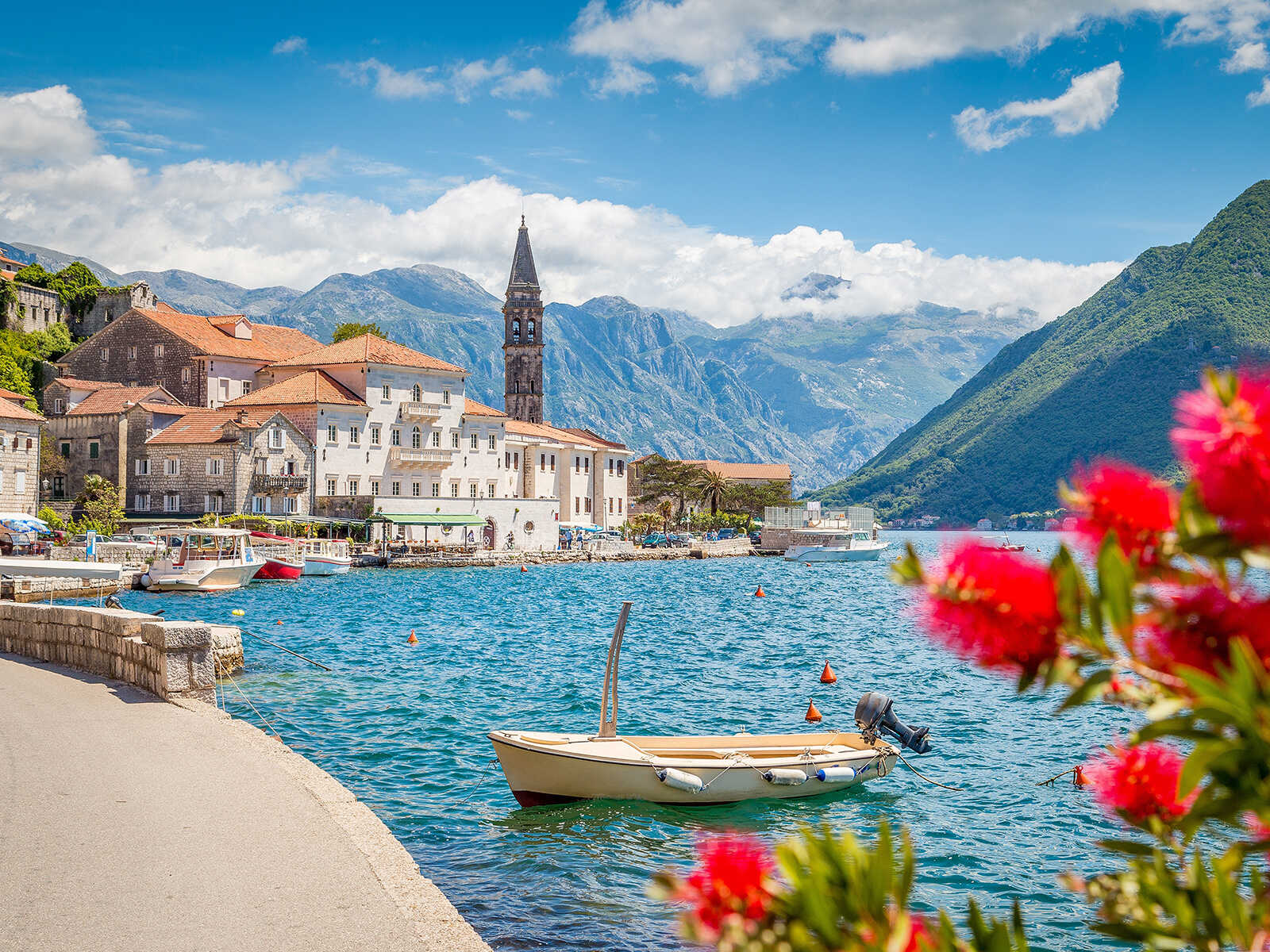
- Bay of Kotor:A UNESCO World Heritage site, the stunning Bay of Kotor, with its fjord-like landscapes and charming towns like Kotor and Perast, is an absolute must-see. Don't miss a boat trip to Our Lady of the Rocks.
- Sveti Stefan:Just a short drive south, the iconic islet of Sveti Stefan, a former fishing village turned luxury resort, offers incredible photo opportunities.
- Lake Skadar National Park:Explore the vast and beautiful Lake Skadar, home to diverse wildlife and picturesque fishing villages. Boat tours are highly recommended.
- Stari Bar:For another fascinating historical experience, visit the ruins of Stari Bar, an abandoned medieval city perched on a hill, offering a glimpse into Montenegro's Ottoman past.
- Ostrog Monastery:For a spiritual and awe-inspiring journey, the cliffside Ostrog Monastery is a remarkable pilgrimage site and architectural marvel.
Budva Old Town truly offers a complete travel experience: a deep dive into history, relaxing days on some of the Adriatic's most beautiful beaches, and vibrant evenings under the Montenegrin stars. It's a destination that promises unforgettable memories for every type of traveller.