
Best Time to Visit Montenegro: A Seasonal Travel Guide
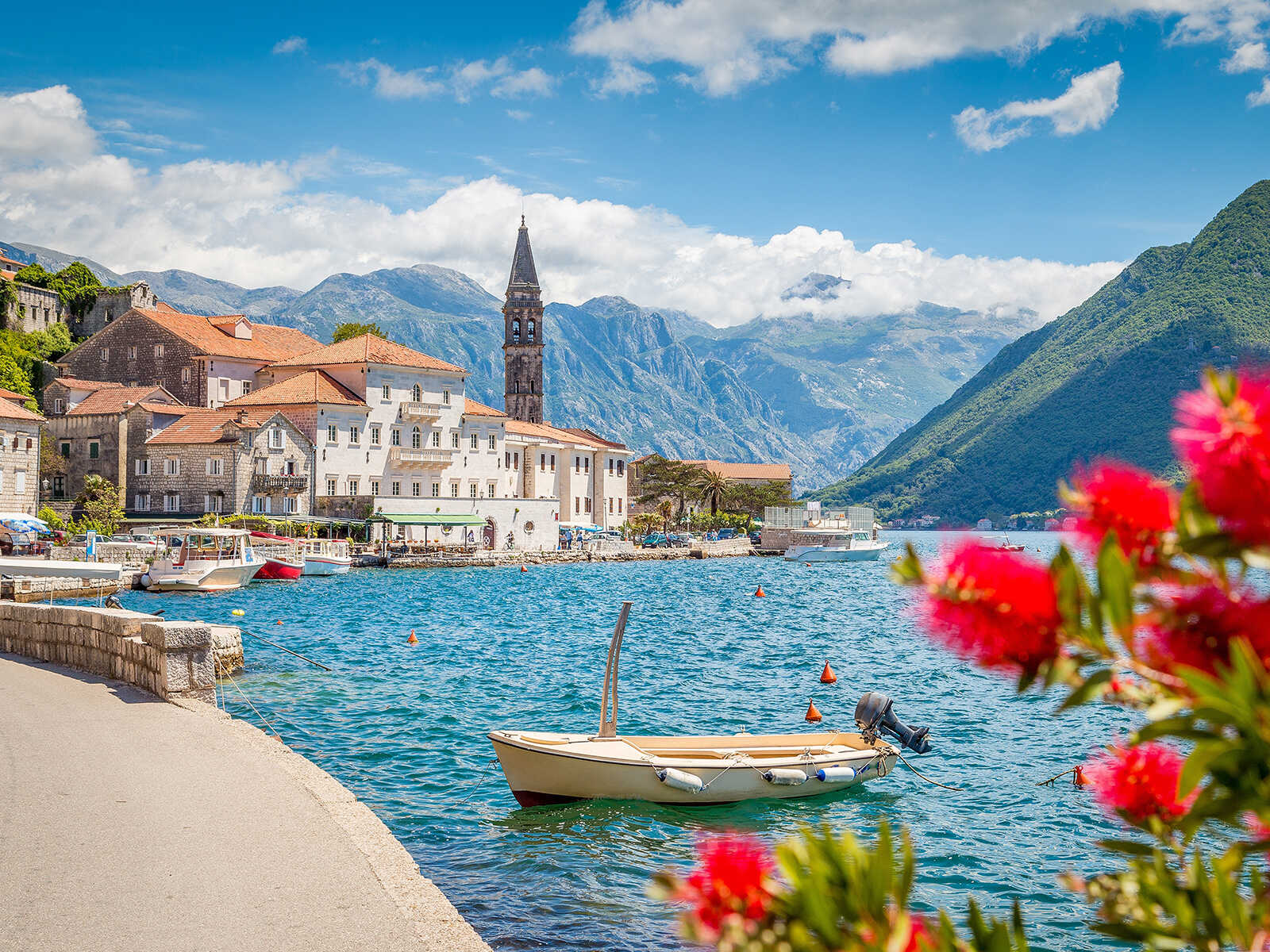
Montenegro, a jewel of the Adriatic, offers a stunning tapestry of dramatic coastlines, ancient towns, serene lakes, and rugged mountains. Deciding the best time to visit this Balkan beauty depends entirely on what kind of experience you're seeking, from sun-drenched beaches to snow-capped peaks. This guide will navigate you through Montenegro's distinct seasons, helping you plan your perfect trip.
Spring in Montenegro (March - May): Awakening Beauty
Spring is a magical time to experience Montenegro, as the country shakes off its winter slumber and bursts into vibrant life. The weather is generally mild and pleasant, with average temperatures ranging from 15°C to 22°C (59°F to 72°F) on the coast, making it ideal for exploration without the intense summer heat.
What to Expect:
- Weather:Mild and sunny days are common, though occasional rain showers can occur, especially in early spring. The mountains still hold snow, but coastal areas are warm.
- Crowds:Significantly fewer tourists than in summer, offering a more tranquil experience.
- Activities:
- Hiking & Nature:The landscapes are lush and green. It's perfect for hiking in Lovcen National Park, around Lake Skadar, or along the coastal trails. Wildflowers are in full bloom, especially around the Bay of Kotor.
- Cultural Exploration:Wander through the charming streets of Old Town Kotor,Cetinje, or Old Town Herceg Novi without the summer throngs. Visit historical sites like Ostrog Monastery.
- Adventure Sports:The rivers swell with snowmelt, making late spring (May) an excellent time for whitewater rafting on the Tara Canyon, one of Europe's deepest canyons.
Travel Tip:Early spring can still be cool in the evenings, so pack layers. May is often considered the sweet spot, with warmer weather and still manageable crowds.
Summer in Montenegro (June - August): Sun, Sea, and Festivities
Summer is peak season in Montenegro, drawing visitors with its glorious sunshine, warm Adriatic waters, and lively atmosphere. Temperatures often soar above 30°C (86°F) on the coast, perfect for beach holidays.
What to Expect:
- Weather:Hot and sunny, with minimal rainfall. The sea is wonderfully warm for swimming. Mountain regions offer a cooler escape.
- Crowds:This is the busiest time of year. Popular coastal towns like Old Town Budva,Kotor, and areas around Sveti Stefan can be very crowded.
- Activities:
- Beach & Water Sports:Indulge in swimming, sunbathing, boat trips, and watersports along the Montenegrin Riviera. Explore hidden coves in Lustica or relax on the sands of Ada Bojana.
- Island Hopping:Take a boat trip to islands like Our Lady of the Rocks.
- Mountain Escapes:For cooler temperatures and stunning scenery, head to national parks like Durmitor or Biogradska Gora for hiking, cycling, and fresh mountain air.
- Festivals & Nightlife:Coastal towns come alive with music festivals, cultural events, and vibrant nightlife.
Autumn in Montenegro (September - November): Golden Hues and Tranquility
Autumn offers a delightful alternative to the summer rush, with pleasant weather and breathtaking scenery as the landscapes transform into a palette of golden and russet tones. Early autumn (September) often feels like an extension of summer.
What to Expect:
- Weather:September is still warm and sunny, with sea temperatures remaining comfortable for swimming. October sees cooler, crisp days, while November brings more rain and lower temperatures, especially inland.
- Crowds:Tourist numbers drop significantly after mid-September, offering a more relaxed and authentic experience.
- Activities:
- Hiking & Photography:The fall foliage in national parks like Lovcen National Park and Durmitor is spectacular. It's an ideal time for photography.
- Cultural Exploration:Enjoy a calmer pace when exploring historic sites such as Stari Bar or the museums in Cetinje.
- Birdwatching:Lake Skadar is a prime spot for birdwatching as migratory birds begin to arrive.
- Gastronomy:Sample local produce, including fresh olives and grapes, as harvest season begins.
Interesting Fact:September is often hailed as the "shoulder season sweet spot" – you still get warm weather for swimming, but without the intense crowds and prices of July and August.
Winter in Montenegro (December - February): Snowy Adventures and Cozy Charms
While many associate Montenegro with its coastline, winter unveils a completely different side of the country, especially in its mountainous interior. The coast remains relatively mild, though often wet, while the mountains become a snowy playground.
What to Expect:
- Weather:Coastal areas are mild but can be rainy and windy. Inland and in the mountains, expect cold temperatures and heavy snowfall, creating perfect conditions for winter sports.
- Crowds:Very few tourists outside of ski resorts and holiday periods (Christmas/New Year), offering a truly serene experience.
- Activities:
- Skiing & Snowboarding:Head to the ski resorts in the Durmitor region, such as Žabljak, for skiing and snowboarding.
- Cozy Retreats:Enjoy the tranquility of snow-covered landscapes, perhaps with a warm drink by a fireplace in a mountain lodge.
- Coastal Charm:Explore the festive, yet quiet, coastal towns like Kotor and Perast(not a linkable location, but a common mention near Kotor) without the hustle and bustle. Some Christmas markets might appear in larger cities.
- Photography:Capture the dramatic beauty of snow-draped mountains and the ethereal calm of a winter Bay of Kotor.
Choosing Your Best Time to Visit Montenegro
Ultimately, the ideal time for your Montenegrin adventure depends on your personal preferences and priorities.
For Beach Lovers:
June to early Septemberis your window for sunbathing, swimming, and enjoying the vibrant coastal life. Be prepared for crowds and higher prices during July and August.
For Outdoor Adventurers (Hiking, Rafting):
Spring (April-May)andAutumn (September-October)offer the best conditions for hiking and exploring national parks like Durmitor,Lovcen National Park, or Biogradska Gora. May is excellent for whitewater rafting on Tara Canyon.
For Culture & History Enthusiasts:
Spring (April-May)andAutumn (September-October)provide pleasant weather for sightseeing historical towns such as Old Town Kotor,Cetinje, and Stari Bar, with fewer crowds. Winter also offers a unique, quiet perspective on these places.
For Winter Sports Enthusiasts:
December to Marchis the season for skiing and snowboarding in the Montenegrin mountains, particularly in the Durmitor National Park area.
For Avoiding Crowds:
Theshoulder seasons of April-May and September-Octoberare ideal. You'll enjoy good weather, fewer tourists, and potentially lower accommodation costs.
Practical Tips for Visiting Montenegro
- Book in Advance:Especially during peak summer months, accommodation and popular tours can fill up quickly.
- Pack Accordingly:Layers are always a good idea, even in summer for cooler evenings in the mountains. Sunscreen and a hat are essential for sunny months.
- Transportation:Renting a car offers the most flexibility to explore Montenegro's diverse landscapes. Public transport connects major towns but can be less frequent for more remote areas.
- Currency:Montenegro uses the Euro (€).
Conclusion
Montenegro is a country of incredible diversity, with each season offering its own unique appeal. Whether you dream of sun-kissed beaches, thrilling mountain adventures, or quiet cultural immersion, there's a perfect time for you to visit. By considering your priorities, you can choose the season that promises the most unforgettable Montenegrin experience.