
A Brief History of Montenegro: From Ancient Times to Modern Day
Montenegro, a small nation on the Adriatic, boasts a history as dramatic and rugged as its majestic mountains. From ancient Illyrian tribes to powerful medieval kingdoms, and through centuries of struggle against formidable empires, this resilient land has forged a unique identity. Understanding its profound past is key to appreciating its vibrant culture, diverse architecture, and stunning landscapes today.
Ancient Roots: Illyrians, Greeks, and Romans
The story of Montenegro begins millennia ago with the Illyrians, an ancient Indo-European people who inhabited the western Balkans. Evidence of their settlements and fortresses can still be found dotted across the landscape. The Greeks later established trading posts along the coast, bringing their culture and commerce to the region. However, it was the Roman Empire that truly integrated parts of present-day Montenegro into its vast domain, establishing provinces like Dalmatia and Praevalitana.
The strategic importance of the Adriatic coast meant that areas like the Bay of Kotor became vital Roman strongholds. Roman roads, villas, and fortifications left an indelible mark, influencing urban planning and administration. The decline of the Roman Empire in the 5th century CE ushered in a period of great upheaval, setting the stage for new arrivals.
Fun Fact:The name "Montenegro" itself, meaning "Black Mountain," likely emerged in the late Middle Ages, referring to the dark, dense forests of Mount Lovćen and the surrounding Dinaric Alps.
Slavic Migrations and the Rise of Doclea (Duklja)
From the 6th to the 8th centuries, Slavic tribes migrated into the Balkans, eventually settling in the region that would become Montenegro. They gradually assimilated with the remaining Romanized Illyrian and Avar populations, establishing several tribal polities. Among these, Doclea (Duklja) rose to prominence as the first independent South Slavic state in the area, centered around the modern-day Podgorica region.
Under rulers like Prince Jovan Vladimir in the 10th century and King Bodin in the 11th, Doclea expanded its influence and gained recognition. It was during this period that Orthodox Christianity began to firmly establish itself, becoming a cornerstone of Montenegrin identity. Following Doclea's decline, its successor state, Zeta, continued to assert its independence, often navigating complex alliances and conflicts with powerful neighbors like Byzantium, Serbia, and Venice.
Ottoman Influence and Venetian Rule: A Divided Land
By the 15th century, the Ottoman Empire's relentless expansion swept through the Balkans. While much of the region fell under Ottoman control, Montenegro's rugged mountainous interior proved a formidable challenge. The Montenegrin tribes, fiercely independent and unified by their Orthodox faith, resisted assimilation. This period saw the Montenegrin state, largely isolated in its mountain strongholds, develop a unique form of governance known as the "theocracy," led by Prince-Bishops (Vladikas).
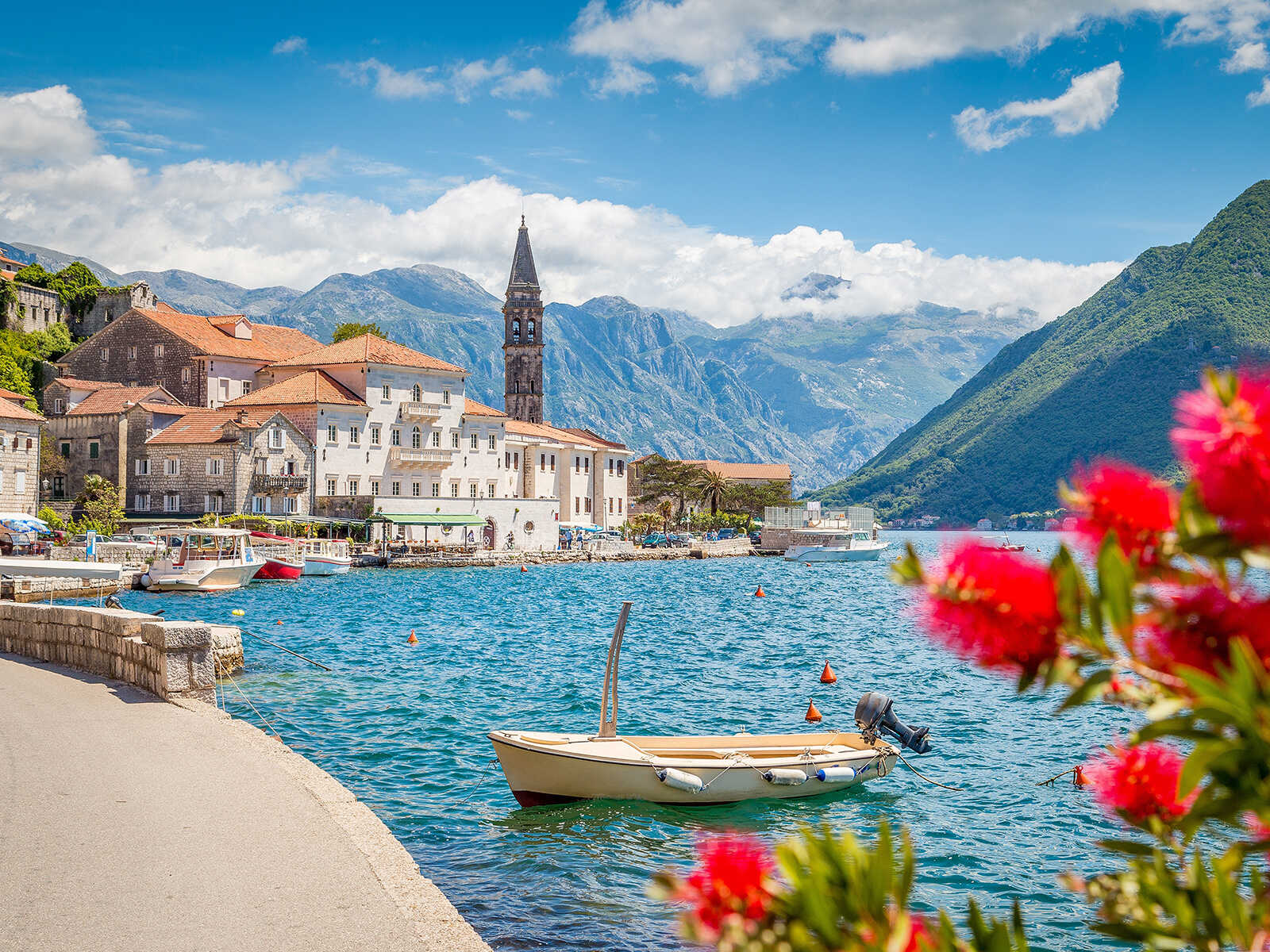
Meanwhile, the coastal areas, including towns like Old Town Budva,Old Town Herceg Novi, and the Bay of Kotor, often found themselves under the sway of the powerful Republic of Venice. Venetian influence is still palpable today in the architecture, urban planning, and cultural traditions of these charming coastal settlements. Sites like Stari Bar showcase layers of history, from Roman and Byzantine to medieval Slavic and Ottoman, reflecting the region's tumultuous past.
The spiritual heart of Montenegrin resistance during this era was often found in its monasteries, such as the breathtaking Ostrog Monastery, carved into a cliff face, which served as a beacon of faith and national identity.
The Petrović-Njegoš Dynasty: Forging a Nation
In 1696, Danilo Petrović-Njegoš was elected Prince-Bishop, inaugurating a dynasty that would rule Montenegro for over two centuries. The Petrović-Njegoš era was crucial for consolidating Montenegrin independence and state-building. From their capital in Cetinje, the Vladikas worked to unite the warring tribes and resist Ottoman incursions.
The most famous of these rulers was Petar II Petrović-Njegoš (1813-1851), a revered poet and philosopher whose literary works are central to Montenegrin culture. He laid the groundwork for a modern state, though his primary focus remained on spiritual and military leadership. His mausoleum, perched atop Mount Jezerski vrh in Lovcen National Park, remains a powerful symbol of Montenegrin identity and resilience.
In 1852, Danilo I secularized the state, transforming the theocracy into a hereditary principality. This move marked a significant step towards a modern European state.
Principality and Kingdom of Montenegro: International Recognition
Under Prince Nikola I (1860-1918), Montenegro achieved full international recognition at the Congress of Berlin in 1878, following its victories in the Montenegrin-Ottoman Wars. Nikola I further modernized the state, introducing a constitution and establishing diplomatic relations. In 1910, he elevated Montenegro to the status of a Kingdom, cementing its place on the European map.
Montenegro participated in the Balkan Wars (1912-1913), expanding its territory. However, the outbreak of World War I proved disastrous. Montenegro, allied with Serbia, was occupied by Austro-Hungarian forces. Following the war, against the wishes of many Montenegrins, the Podgorica Assembly in 1918 voted to unite with the newly formed Kingdom of Serbs, Croats, and Slovenes, which later became Yugoslavia.
The Yugoslavian Era and World Wars
Montenegro's period within Yugoslavia was complex. It endured the interwar years, followed by the devastation of World War II. During WWII, Montenegro became a battleground, witnessing fierce resistance movements, particularly the Partisans led by Josip Broz Tito. Many Montenegrins played a crucial role in the anti-fascist struggle.
After the war, Montenegro became one of the six constituent republics of the Socialist Federal Republic of Yugoslavia. This period brought significant modernization, industrialization, and infrastructure development. While political freedoms were limited, living standards improved, and Montenegro saw investment in education, healthcare, and tourism. Iconic locations like Sveti Stefan, once a humble fishing village, were transformed into exclusive resorts.
Independence and Modern Montenegro
The collapse of Yugoslavia in the early 1990s led to a decade of political instability and conflict across the Balkans. Montenegro initially remained in a union with Serbia, forming the Federal Republic of Yugoslavia, and later the State Union of Serbia and Montenegro. However, growing nationalist sentiment and distinct political paths led to a referendum on independence in May 2006.
With a narrow majority, Montenegrins voted to restore their full sovereignty, becoming the world's newest independent state at the time. Since regaining independence, Montenegro has embarked on a path of European integration, joining NATO in 2017 and actively pursuing membership in the European Union. The country has focused on developing its economy, with tourism playing a vital role.
Today, Montenegro welcomes visitors to explore its rich tapestry of history, from the ancient ruins of Stari Bar to the medieval charm of Kotor's Old Town, and the pristine natural beauty of Durmitor National Park,Tara Canyon, and Lake Skadar. Its history of resilience, cultural diversity, and stunning landscapes make it a truly captivating destination.
Whether you're exploring the historic streets of Cetinje, marveling at Our Lady of the Rocks in the Bay of Kotor, or enjoying the tranquility of Lustica Peninsula, the echoes of Montenegro's remarkable journey from ancient times to modern day are ever-present, inviting you to discover its unique spirit.