
Is Mongolia Safe to Visit? Essential Safety Tips for Travelers
Mongolia, a land of endless steppes, nomadic culture, and breathtaking landscapes, beckons adventurers from across the globe. While its remote charm and unique experiences are undeniable, many prospective visitors naturally wonder: "Is Mongolia safe to visit?" This article delves into the realities of travel safety in Mongolia, offering practical advice to ensure your journey is as smooth and memorable as the scenery.
General Safety in Mongolia
Overall, Mongolia is considered a safe destination for tourists, especially outside the capital city. Violent crime against foreigners is rare, and Mongolians are generally hospitable and welcoming, particularly in rural areas. However, like any travel destination, it has its own set of considerations and risks that travelers should be aware of and prepared for.
Fun Fact:Mongolia is one of the least densely populated countries in the world, with vast open spaces that offer unparalleled tranquility and a sense of true wilderness.
Safety in Ulaanbaatar
Ulaanbaatar, the bustling capital, presents the most significant safety concerns for travelers. Urban areas, by nature, tend to have higher rates of petty crime compared to the countryside.
- Petty Crime:Pickpocketing and bag snatching are the most common issues, particularly in crowded areas like markets (e.g., Narantuul Market), public transport, and around popular tourist spots like Sukhbaatar Square or Gandantegchinlen Monastery. Be vigilant, keep valuables out of sight, and use anti-theft bags.
- Muggings:While less common, isolated incidents of muggings can occur, especially late at night and in dimly lit areas. It's advisable to avoid walking alone after dark and to take registered taxis or ride-sharing services.
- Scams:Be wary of overly friendly strangers offering unsolicited help or invitations, which could be part of a scam. Always ensure taxi drivers use meters or agree on a price beforehand.
- Traffic Safety:Ulaanbaatar's traffic can be chaotic. Drivers often don't yield to pedestrians, even at crosswalks. Exercise extreme caution when walking and crossing streets.
Safety in Rural Mongolia
Traveling beyond Ulaanbaatar offers an entirely different, generally safer experience, but with unique challenges related to its vastness and remoteness.
- Isolation & Navigation:The sheer size of the country and lack of infrastructure in many areas means getting lost or stranded can be a real risk. When exploring remote regions like the Gobi Desert,Altai Tavan Bogd National Park, or the areas around Khuvsgul Lake, it's highly recommended to travel with experienced local guides or as part of an organized tour.
- Road Conditions & Driving:Roads outside Ulaanbaatar are often unpaved, rough, and poorly marked. Driving yourself can be challenging and risky. Hiring a local driver with a sturdy 4x4 vehicle is usually the safest and most practical option.
- Weather Extremes:Mongolia experiences extreme weather. Summers can be hot, while winters are brutally cold. Sudden changes, including blizzards and dust storms, are possible. Pack appropriate clothing layers and check forecasts regularly, especially if visiting regions like Bayan-Ölgii in the west.
- Animal Encounters:While wildlife generally keeps its distance, encounters with nomadic herders' dogs, which can be territorial, are common. Always approach livestock and dogs with caution.
- Limited Infrastructure:Medical facilities, reliable communication, and emergency services are scarce outside major towns. Be self-sufficient and prepared for limited access to amenities.
Essential Safety Tips for All Travelers
Health & Medical Preparedness
- Travel Insurance:Comprehensive travel insurance, including emergency medical evacuation, is non-negotiable. Ensure it covers all planned activities.
- Vaccinations:Consult your doctor regarding recommended vaccinations (e.g., Hepatitis A & B, Tetanus, Rabies, Typhoid).
- First-Aid Kit:Carry a well-stocked personal first-aid kit with any necessary prescription medications, pain relievers, bandages, antiseptic wipes, and medication for stomach upsets.
- Food & Water Safety:Drink only bottled or purified water. Be cautious with street food; stick to busy vendors with high turnover. Ensure food is cooked thoroughly.
Cultural Sensitivity & Etiquette
Respecting local customs not only enhances your experience but can also prevent misunderstandings and potentially awkward situations.
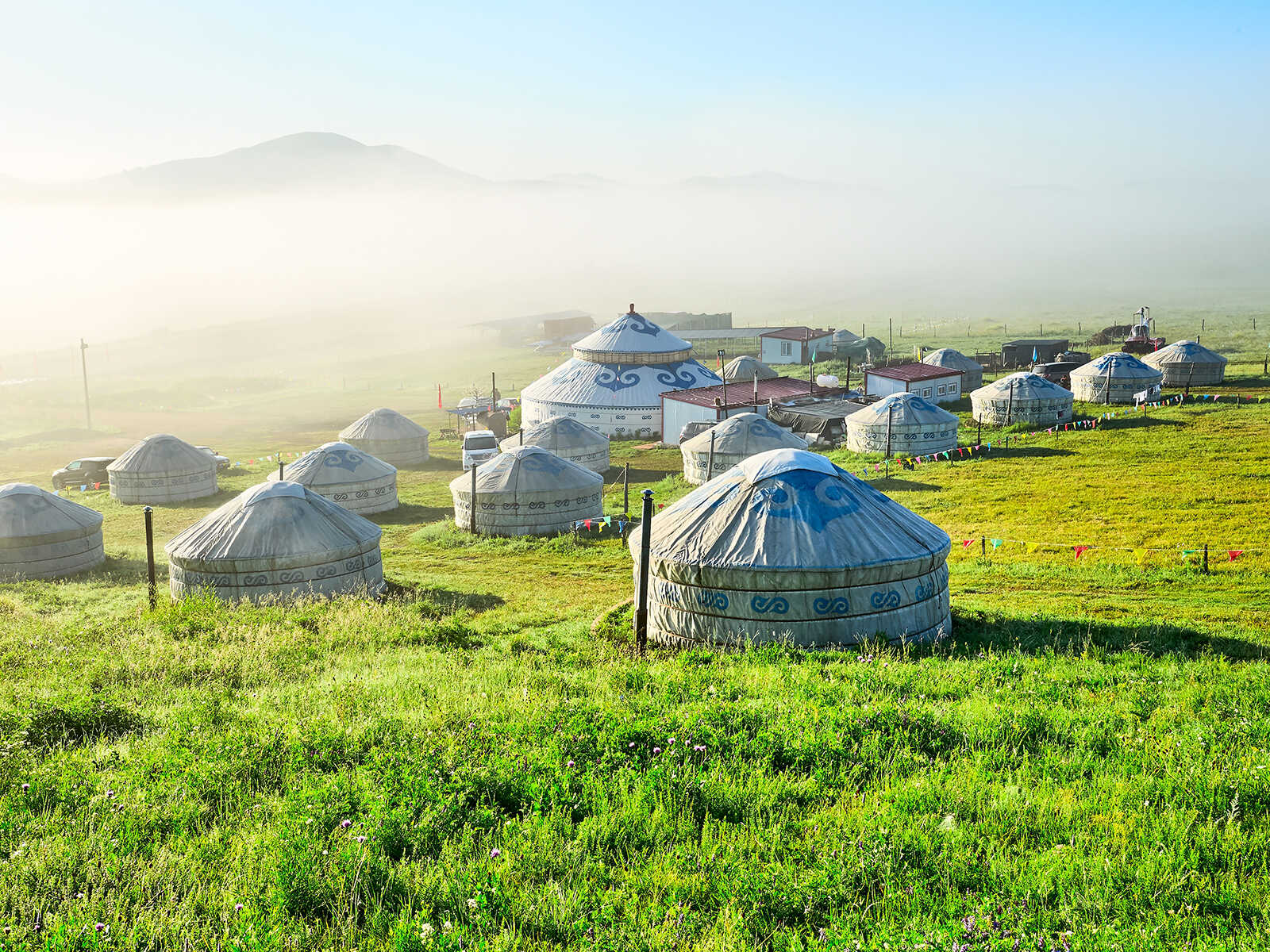
- Ger Etiquette:If invited into a traditional ger (yurt), always enter through the left side (men) or right side (women) and move clockwise. Don't step on the threshold, point your feet at people or sacred objects, or refuse offered food or drink without a polite explanation.
- Monasteries & Sacred Sites:When visiting places like Erdene Zuu Monastery or the Chinggis Khaan Statue Complex, dress modestly and behave respectfully.
- Alcohol:While hospitality often involves offering local drinks, be mindful of alcohol consumption. Drunkenness can be seen as disrespectful and may make you more vulnerable to petty crime.
Practical Precautions
- Money & Valuables:Keep cash and important documents in a secure money belt or hidden pouch. Avoid displaying large sums of money or expensive electronics. Leave unnecessary valuables at home.
- Communication:Purchase a local SIM card upon arrival for reliable phone coverage, especially outside Ulaanbaatar (though coverage can still be spotty in very remote areas). Keep emergency numbers handy.
- Documentation:Carry photocopies or digital copies of your passport, visa, and other important documents separately from the originals.
- Solo Travel:Solo travel in rural Mongolia can be challenging due to navigation, language barriers, and limited infrastructure. Consider joining a reputable tour group for remote expeditions, such as those visiting Hustain Nuruu Biosphere Reserve or Gorkhi Terelj National Park.
Driving & Transportation Safety
- Intercity Travel:For longer distances, consider domestic flights or trains. Buses can be an option but may be less comfortable and slower.
- Hiring Drivers:If hiring a private driver, use a reputable company or get recommendations. Ensure the vehicle is well-maintained and the driver is experienced with Mongolian road conditions.
- Off-Roading:If you plan to visit remote areas like Tsenkher Hot Spring Resort, be prepared for rough terrain and unpredictable conditions.
What to Do in an Emergency
- Emergency Numbers:
- Police: 102
- Ambulance: 103
- Fire: 101
- Embassy Contact:Know the location and contact details of your country's embassy or consulate in Ulaanbaatar. Register your travel plans with them if possible.
- Have a Plan:Discuss emergency procedures with your travel companions or tour guide before venturing into remote areas.
Is Mongolia Safe? The Verdict
Mongolia is a remarkably safe country for travelers, particularly those who venture beyond the capital into its stunning natural landscapes. While Ulaanbaatar requires a degree of urban awareness, the risks are generally manageable with common sense precautions. By being prepared, culturally sensitive, and making informed decisions, you can confidently explore this captivating land of nomads and breathtaking vistas. Your Mongolian adventure awaits!