
Understanding Moldova: Geography, People & Traditions
Nestled in Eastern Europe, Moldova often remains a hidden gem, yet it offers a rich tapestry of history, culture, and natural beauty waiting to be explored. This guide delves into the core aspects of Moldova – its distinctive geography, the spirit of its people, and the vibrant traditions that define this fascinating nation.
The Lay of the Land: Moldova's Geography
Moldova, a landlocked country situated between Romania to the west and Ukraine to the north, east, and south, is defined by its gentle, rolling hills, fertile plains, and two major rivers. It is one of Europe's smallest nations, yet its landscape plays a crucial role in shaping its economy and culture.
A Landlocked Gem with Fertile Ground
Unlike many European countries, Moldova does not boast access to a sea, but its terrain is far from monotonous. The landscape is characterized by undulating hills, valleys, and plateaus, carved by a network of rivers and streams. The country's highest point, Bălănești Hill, reaches a modest 430 meters, contributing to an overall gentle topography perfect for agriculture.
Perhaps Moldova's most significant geographical asset is its incredibly fertile black soil, known aschernozem. This rich soil, combined with a favorable climate, makes Moldova an agricultural powerhouse, particularly renowned for its vineyards and fruit orchards. The vast expanses of fertile land are often referred to as the "Garden of Europe," underscoring their importance to the nation's identity and economy.
Rivers and Resources
The two most prominent rivers traversing Moldova are the Nistru (Dniester) and the Prut. The Nistru forms a significant part of Moldova's eastern border, flowing southwards into the Black Sea, while the Prut defines much of its western border with Romania. These rivers are vital for irrigation, providing water for the country's extensive agricultural needs, and historically, they have served as important trade routes and natural defenses.
Moldova's climate is moderately continental, characterized by warm, long summers and mild winters. This climate is ideal for cultivating grapes, fruits, and grains, further cementing agriculture as the backbone of the Moldovan economy.
The Heart of the Nation: Moldova's People and Culture
The Moldovan people are a testament to resilience and warmth, shaped by centuries of diverse cultural influences. Their identity is a rich mosaic, reflecting a history at the crossroads of empires and traditions.
A Mosaic of Identities
The majority of Moldova's population identifies as Moldovan or Romanian, sharing a common language and cultural heritage with neighboring Romania. However, Moldova is also home to significant ethnic minorities, including Ukrainians, Russians, Gagauz (a Turkic-speaking Orthodox Christian group), and Bulgarians. This ethnic diversity has contributed to a vibrant multicultural society, particularly evident in cuisine, music, and local customs.
The official language is Romanian (often referred to as Moldovan within the country), a Romance language with Latin roots. While Romanian is predominant, Russian is also widely spoken, especially in urban areas and among older generations, reflecting Moldova's Soviet past. English is increasingly common among younger people in larger cities like Chisinau.
Deep Roots in Orthodoxy
Eastern Orthodox Christianity is the dominant religion in Moldova, deeply interwoven into the fabric of daily life and national identity. Churches and monasteries are not just places of worship but also cultural landmarks, often showcasing stunning Byzantine architecture and intricate frescoes. Religious holidays are central to the social calendar, celebrated with great reverence and community spirit.
Visitors can explore numerous historical religious sites, such as the ancient cave monastery complex of Tipova Monastery, carved into limestone cliffs overlooking the Dniester River, or the serene Rezervaţia peisagistică Saharna, known for its waterfalls and holy spring. In the capital,The Metropolitan Cathedral Nativity of the Lord stands as a prominent symbol of faith.
Did you know?The autonomous region of Gagauzia in southern Moldova has its own unique Turkic language, Gagauz, making Moldova a fascinating linguistic melting pot.
Hospitality and Community
Moldovans are renowned for their warm hospitality and generosity. Visitors are often treated not just as guests but as friends, welcomed with open arms and tables laden with delicious food and wine. Family and community ties are extremely strong, with gatherings and celebrations forming the core of social life. This sense of community extends to the traditional village life, which remains largely intact and offers a glimpse into authentic Moldovan customs.
A Tale of Two Sides: Transnistria
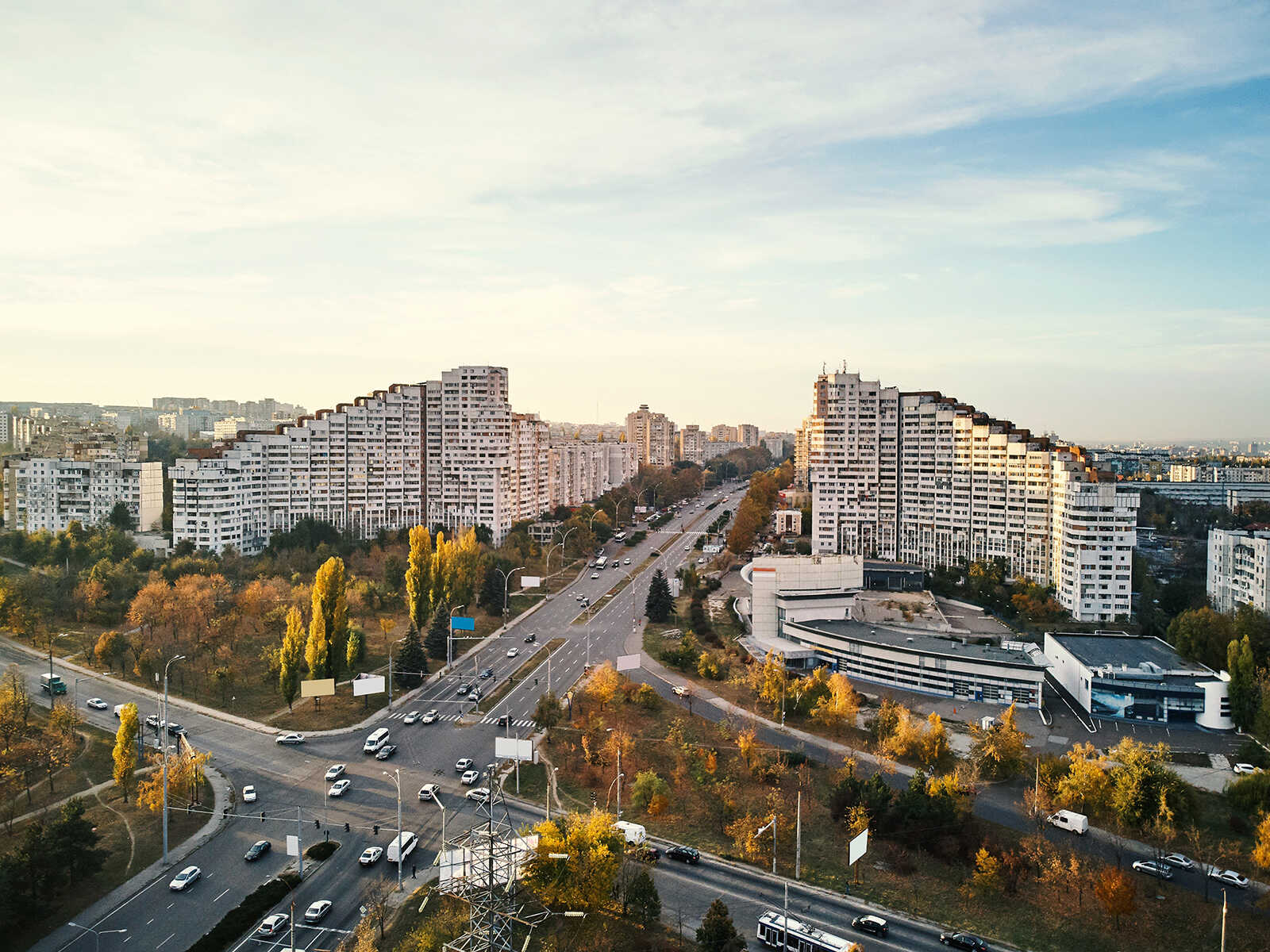
A unique aspect of Moldova's political geography is the self-proclaimed independent republic of Transnistria, located along the eastern bank of the Dniester River. While internationally recognized as part of Moldova, Transnistria operates with its own government, currency, and borders. Visiting this region offers a distinct experience, a step back in time with its Soviet-era aesthetics. Historical sites like the Bendery Fortress provide a tangible link to the region's complex past.
Enduring Customs: Traditions and Celebrations
Moldova's traditions are vibrant and deeply rooted, reflecting a connection to the land, family, and faith. From ancient winemaking to colorful festivals, these customs offer a window into the Moldovan soul.
The Art of Winemaking
Moldova boasts one of the oldest winemaking traditions in the world, dating back thousands of years. Wine is not just a beverage; it's an integral part of the culture, economy, and national identity. The country is home to vast underground wine cellars, some of the largest on Earth, like Milestii Mici, which houses an impressive collection of millions of bottles.
National Wine Day, celebrated annually in October, is a major event, showcasing the country's finest wines, traditional food, and folk performances. Wine tasting tours are a popular way to experience this rich heritage, offering insights into traditional production methods and the diverse grape varieties cultivated.
Culinary Delights
Moldovan cuisine is a delicious fusion of influences from Romanian, Ukrainian, and Russian cooking, characterized by fresh, seasonal ingredients. Staples includemămăligă(a polenta-like cornmeal dish),sarmale(cabbage rolls), and various meat dishes.Plăcinte, savory or sweet pastries often filled with cheese, potatoes, cabbage, or apples, are a ubiquitous and beloved snack. Meals are typically hearty and accompanied by local wine or homemade fruit compotes.
Festivals and Folklore
Moldova's cultural calendar is dotted with numerous festivals that celebrate its rich folklore, music, and dance. Traditional folk music, often featuring instruments like the accordion, violin, and pan flute, plays a vital role in celebrations. Thehora, a traditional circle dance, brings communities together in joyous movement. Colorful national costumes, intricately embroidered with traditional motifs, are proudly worn during these festive occasions.
Key celebrations include Martisor (a spring welcoming festival in March), Easter (with its unique customs like painting eggs and baking Pasca bread), and Christmas (celebrated on January 7th by Orthodox Christians, featuring caroling and traditional feasts).
Traditional Crafts and Arts
The tradition of craftsmanship is alive and well in Moldova. Hand-woven carpets, intricate embroidery, pottery, and wood carving are highly prized. These crafts often feature geometric patterns and floral motifs, reflecting the country's natural beauty and ancient symbolism. Visiting local markets or artisan workshops provides an opportunity to appreciate and acquire these unique handcrafted treasures.
Exploring Moldova's Rich Heritage
Beyond its living traditions, Moldova offers numerous historical and natural sites for exploration. The archaeological complex of Old Orhei is a must-see, featuring a medieval fortress, cave monasteries, and ancient ruins dramatically set in a canyon. The imposing Soroca Fortress, a medieval stronghold on the Dniester River, stands as a testament to Moldova's strategic importance throughout history.
In the capital, Chisinau, visitors can stroll through Stephen the Great Central Park or the scenic Valea Morilor Park, admire the grandeur of The Triumphal Arch, or delve into the nation's past at the National Museum of History of Moldova. For nature lovers,Țaul Park offers beautiful landscapes and arboretum.
Planning Your Moldovan Adventure
Moldova is an incredibly welcoming destination, especially for those seeking an authentic European experience off the beaten path. Getting around is relatively easy, with a network of buses and trains connecting major towns. Local hospitality ensures a memorable visit, whether you're exploring ancient monasteries, tasting world-class wines, or simply enjoying the warmth of its people.
Understanding Moldova means appreciating its unique blend of influences, its deep connection to the land, and the enduring spirit of its people. It's a country that rewards curious travelers with genuine experiences, rich history, and unforgettable flavors.