
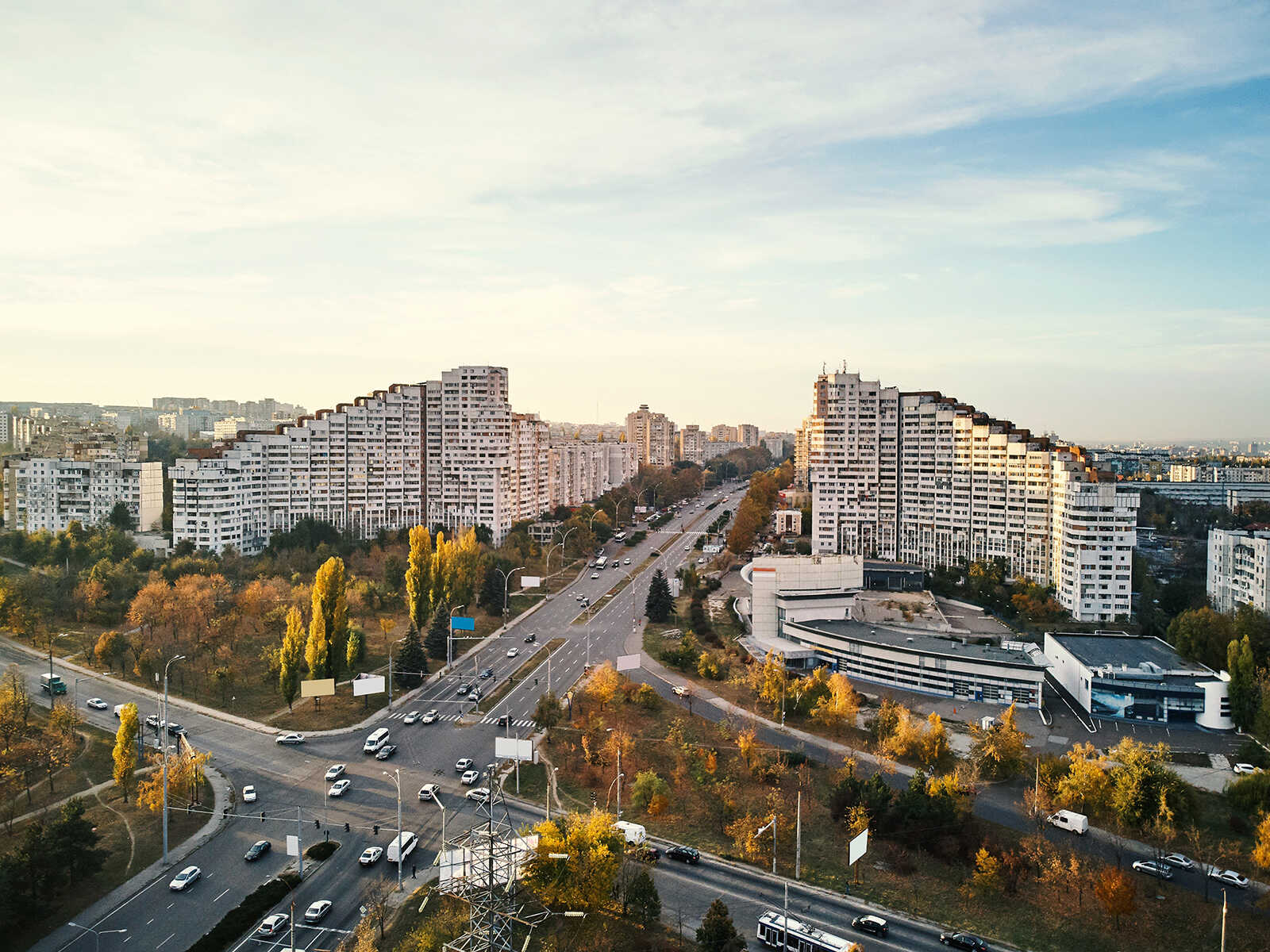
Transnistria Day Trip: Visiting Bendery Fortress & Tiraspol
Venturing into Transnistria offers a truly unique travel experience, a fascinating glimpse into a self-declared state frozen in time. A day trip from Moldova, focusing on the historic Bendery Fortress and the capital city of Tiraspol, provides an unparalleled journey through a distinctive cultural and political landscape.
What is Transnistria?
Often referred to as a "country that doesn't exist," Transnistria is a narrow strip of land nestled between Moldova and Ukraine. Following the collapse of the Soviet Union, it declared independence from Moldova in 1990, leading to a brief but intense conflict in 1992. Today, it operates with its own government, currency, military, and police, though it remains internationally unrecognized as an independent state. Visitors are drawn to its Soviet-era aesthetic, distinct culture, and the sheer intrigue of exploring a region unlike any other.
Planning Your Day Trip
Getting There from Chisinau
Most day trips to Transnistria begin in Chisinau, Moldova's capital. The most common and convenient way to reach Bendery and Tiraspol is by marshrutka (minibus) or bus. These depart regularly from Chisinau's Central Bus Station. Look for services heading to "Tiraspol" or "Bender." The journey typically takes around 1.5 to 2 hours, depending on traffic and border procedures. Alternatively, many local tour operators offer organized day trips, which can simplify logistics, especially for first-time visitors.
Border Crossing Formalities
Crossing into Transnistria is generally straightforward, but requires attention to detail. You will need your passport. Upon arrival at the Transnistrian border checkpoint, you'll present your passport to the Transnistrian border guards. They will issue you a migration card, which specifies your permitted duration of stay (usually 24 hours for day-trippers). It is absolutely crucial to keep this card safe and present it when you exit Transnistria. Losing it can lead to complications and potential fines. While you won't encounter Moldovan border control on entry, you will pass through it on your return journey to Moldova.
Best Time to Visit
The spring (April-May) and autumn (September-October) months offer the most pleasant weather for exploring Transnistria. Summers can be hot, while winters are often cold and snowy, which might make extensive walking less enjoyable. Visiting during a weekday often means fewer crowds at attractions, providing a more relaxed experience.
Exploring Bendery
Your first stop in Transnistria will likely be Bendery (also known as Tighina in Romanian), a city with a rich and often tumultuous history. It's home to the region's most significant historical site.
Bendery Fortress
The impressive Bendery Fortress stands as a testament to centuries of conflict and strategic importance. Originally built in the 15th century by Stephen the Great, it was significantly expanded and fortified by the Ottomans in the 16th century, becoming a key stronghold on the Dniester River. Inside its sturdy walls, you can explore the citadel, wander through the grounds, and visit a small museum detailing the fortress's history, including its role in the Russo-Turkish wars and the period when Swedish King Charles XII sought refuge here after the Battle of Poltava.
Did you know?The Swedish King Charles XII resided in Bendery Fortress for several years in the early 18th century after his defeat to the Russians, attempting to rally support against Peter the Great.
Other Sights in Bendery
Beyond the fortress, Bendery offers a glimpse into Transnistrian life. You can stroll through its central park, admire the Soviet-era monuments, and observe the daily rhythm of the city. While not as extensively tourist-focused as Tiraspol, Bendery provides a quieter, more authentic introduction to the region.
Discovering Tiraspol
From Bendery, it's a short marshrutka ride to Tiraspol, the self-proclaimed capital of Transnistria. Tiraspol is where the Soviet aesthetic is most pronounced, offering a fascinating blend of old and new.
Key Attractions
- Suvorov Monument:Dominating the central square, the equestrian statue of General Alexander Suvorov, the founder of Tiraspol, is an iconic symbol of the city. It's a popular meeting point and a great spot for photos.
- Parliament Building:Next to the Suvorov Monument, the Parliament building proudly displays a large bust of Lenin out front, a powerful reminder of the region's Soviet heritage.
- Tank Monument:Commemorating the 1992 Transnistria War, this T-34 tank mounted on a pedestal serves as a poignant memorial and a stark reminder of recent history.
- Kirov Park & Dniester River Embankment:For a more relaxed experience, take a walk through Kirov Park or along the Dniester River embankment. You'll see locals enjoying their leisure time and get a sense of the city's natural beauty.
- The Transnistrian State University:An impressive example of Soviet monumental architecture.
Local Experience
Tiraspol offers opportunities to immerse yourself in local life. Visit the bustling central market to see local produce and goods, or try some traditional Transnistrian cuisine at a local café. Don't miss the chance to exchange currency for Transnistrian Rubles (PRB) – their unique plastic coins are a popular souvenir. While in Moldova, you might have visited Milestii Mici for wine tasting; in Transnistria, look out for local Kvass or brandy.
Practical Tips for Your Visit
Language
Russian is the predominant language spoken in Transnistria, though Moldovan (written in Cyrillic) and Ukrainian are also official. English is not widely spoken, so having a few basic Russian phrases or a translation app can be very helpful.
Currency
The Transnistrian Ruble (PRB) is the official currency. You cannot exchange PRB outside of Transnistria, and Moldovan Lei (MDL) are not widely accepted. There are exchange offices in Bendery and Tiraspol where you can convert Euros, US Dollars, or Moldovan Lei into PRB. Remember, you'll need to exchange any leftover PRB back before you leave, as it holds no value elsewhere.
Photography
While generally permitted, exercise caution and respect when taking photos, especially near government buildings, military installations, or border checkpoints. If in doubt, it's always best to ask permission.
Safety
Transnistria is generally considered safe for tourists. As with any travel, exercise common sense: be aware of your surroundings, keep valuables secure, and avoid walking alone in poorly lit areas at night. The biggest concern for tourists is typically related to border formalities, so ensure your migration card is always with you.
Returning to Moldova
When exiting Transnistria, you will again present your passport and, crucially, your migration card. The border guards will collect the card, confirming your departure within the permitted timeframe. From the Transnistrian side of the border, you can easily catch another marshrutka back to Chisinau. Before your trip, consider visiting the National Museum of History of Moldova or Memorial Complex Eternity in Chisinau to gain further historical context.
Is Transnistria Worth Visiting?
Absolutely. A day trip to Bendery and Tiraspol offers a truly unparalleled travel experience. It's a journey not just through a geographical space, but through a unique political and historical narrative. From the ancient walls of Bendery Fortress to the Soviet monuments of Tiraspol, you'll gain insights into a fascinating corner of Eastern Europe that few get to see.
While in Moldova, after your Transnistrian adventure, consider exploring other historical sites like Old Orhei or the impressive Soroca Fortress to contrast the diverse history of the region. Even within Chisinau, landmarks such as Stephen the Great Central Park,The Triumphal Arch, or Valea Morilor Park offer different perspectives on Moldovan culture and history.