
Is Moldova Worth Visiting? An Unbiased Traveler's Review
Nestled between Romania and Ukraine, Moldova remains one of Europe's least-visited countries, a hidden gem often overlooked by mainstream tourism. But does this former Soviet republic hold treasures worth uncovering? Join us as we explore Moldova's unique charm, rich history, and burgeoning wine scene to help you decide if this authentic destination belongs on your travel itinerary.
Beyond the Stereotypes: What Moldova Offers
Moldova is a land of rolling hills, ancient monasteries, and a hospitality that will warm your soul. It’s a country that doesn't boast flashy resorts or crowded tourist traps; instead, it offers an authentic glimpse into Eastern European life, steeped in tradition and resilience. Travelers here often find themselves immersed in genuine cultural experiences, far removed from the polished facades of more popular destinations.
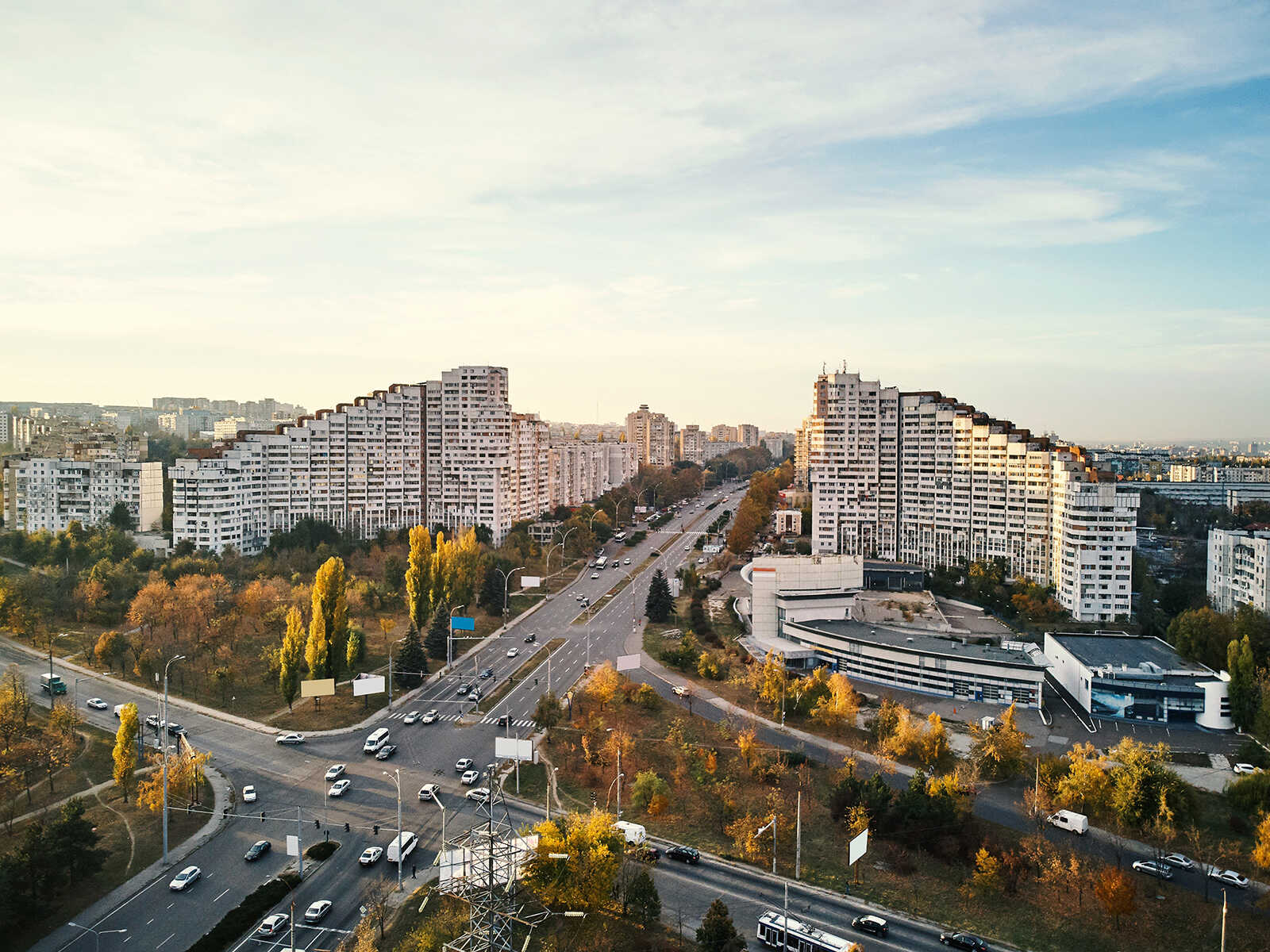
Expect a blend of Soviet-era architecture and charming rural landscapes, a vibrant wine industry, and a people eager to share their heritage. Moldova is for the curious traveler, the one who seeks to explore off-the-beaten-path destinations and embrace the unexpected.
The Allure of Moldovan Wine Country
Moldova's most famous export, and arguably its greatest draw, is its wine. With a winemaking history stretching back millennia, this small nation boasts some of the world's largest underground wine cellars and a burgeoning reputation for quality vintages. The fertile soil and temperate climate create ideal conditions for grape cultivation, producing a diverse array of wines, from robust reds to aromatic whites.
Visiting a Moldovan winery is an experience in itself. Many offer tours, tastings, and even accommodation. You can explore vast subterranean cities dedicated to wine, such as the legendary Milestii Mici, which holds the Guinness World Record for the largest wine collection. Another notable estate is Cricova, with its extensive cellars and tasting rooms carved deep into limestone.
Did you know?Moldova's Milestii Mici wine cellar stretches for over 200 kilometers, with nearly 2 million bottles of wine stored within its labyrinthine tunnels. It's truly an underground wine city!
Chisinau: The Green Heart of Moldova
The capital city, Chisinau, often surprises visitors with its abundance of green spaces and a surprisingly modern, yet laid-back, atmosphere. Despite its Soviet past, the city has a vibrant energy, with numerous cafes, restaurants, and cultural institutions.
Exploring Chisinau's Parks and Landmarks
Chisinau is often called one of Europe's greenest capitals, and for good reason. Parks like Stephen the Great Central Park(Parcul Central Ștefan cel Mare) offer serene escapes, perfect for a leisurely stroll. Another beautiful spot is Valea Morilor Park, featuring a large lake and walking paths.
Key landmarks include The Metropolitan Cathedral Nativity of the Lord, an impressive example of neoclassical architecture, and the nearby The Triumphal Arch, commemorating the Russian victory over the Ottoman Empire. For history enthusiasts, the National Museum of History of Moldova provides deep insights into the nation's past, from ancient times to the modern era.
While not a city of grand, iconic sights in the same vein as Paris or Rome, Chisinau offers a pleasant, unhurried urban experience with plenty of charm to discover.
Historical Gems and Natural Beauty
Beyond the capital, Moldova truly shines with its ancient monasteries, fortresses, and picturesque landscapes.
Ancient Monasteries and Cave Complexes
A must-visit for any traveler to Moldova is Old Orhei(Orheiul Vechi), a spectacular archaeological and historical complex. This open-air museum features a cave monastery, ruins of ancient fortifications, and breathtaking views of the Răut River. It offers a profound sense of history and spiritual tranquility.
Other remarkable monastic sites include Tipova Monastery, dramatically carved into a cliff face overlooking the Nistru River, and Rezervaţia peisagistică Saharna, renowned for its waterfalls, natural springs, and another beautiful cave monastery. These sites offer not just historical interest but also stunning natural scenery.
Fortresses and Parks
For those interested in medieval history, the meticulously restored Soroca Fortress, located on the Nistru River, stands as a testament to Moldova's past defenses. Another significant historical site is Bendery Fortress, situated in the breakaway region of Transnistria, offering a glimpse into a complex political landscape and rich history.
Nature lovers will appreciate destinations like Țaul Park, home to Moldova's largest park-arboretum and a beautiful manor house, perfect for a peaceful day out amidst diverse flora.
The Memorial Complex Eternity in Chisinau serves as a poignant reminder of past conflicts and honors those who fell defending Moldova.
Culture, Cuisine, and Hospitality
Moldovan culture is a rich tapestry woven from Romanian, Slavic, and Ottoman influences. This blend is evident in its language, traditions, and especially its hearty cuisine.
Delightful Moldovan Cuisine
Prepare for comforting, wholesome food. Staples includemămăligă(a polenta-like cornmeal dish),sarmale(cabbage rolls), andplăcintă(savory or sweet pastries). Fresh, locally sourced ingredients are a highlight, and meals are often accompanied by excellent local wines.
Warm and Welcoming People
One of the most frequently praised aspects of visiting Moldova is the genuine warmth and hospitality of its people. Despite economic challenges, Moldovans are known for their resilience, generosity, and eagerness to share their culture with visitors. Learning a few basic Romanian phrases will go a long way and is always appreciated.
Practical Considerations for Travelers
Before you pack your bags, here are a few practical tips for planning your Moldovan adventure.
- Visa Requirements:For many nationalities, including EU citizens, Americans, Canadians, and Australians, Moldova offers visa-free entry for short stays. Always check the latest requirements for your specific nationality.
- Getting Around:Public transport, especially marshrutkas (minibuses), is widely available and affordable for intercity travel. Taxis are also reasonably priced in urban areas. Renting a car offers more flexibility for exploring rural areas, though road conditions can vary.
- Safety:Moldova is generally considered a safe country for tourists. Standard precautions against petty crime, as in any destination, are advisable.
- Best Time to Visit:Spring (April-May) and autumn (September-October) offer pleasant weather, ideal for sightseeing and enjoying the vibrant wine harvest festivals. Summers can be hot, while winters are cold and often snowy.
- Language:Romanian (often referred to as Moldovan) is the official language. Russian is also widely spoken, especially in Chisinau and the north. English proficiency is growing among younger generations, particularly in tourist-related services.
The Verdict: Is Moldova for You?
Moldova is not for every traveler. If you seek luxurious resorts, bustling nightlife, or a checklist of famous global landmarks, you might find it lacking. However, if you are an adventurous soul, a wine connoisseur, a history buff, or simply someone yearning for an authentic, unvarnished travel experience, Moldova offers an incredibly rewarding journey.
It's a destination that requires a little patience and an open mind, but in return, it provides genuine connections, unforgettable landscapes, and a deep dive into a culture that remains largely untouched by mass tourism. Moldova is a country of quiet beauty, surprising depth, and profound hospitality, waiting to be discovered by those willing to look beyond the ordinary.
So, is Moldova worth visiting? Our unbiased review suggests a resoundingyes, especially for those who appreciate the charm of the undiscovered and the richness of authentic experience. Come and form your own opinion!