
Yap Stone Money: Exploring Micronesia's Unique Currency
Deep within the Western Pacific lies the island of Yap, a place where ancient traditions thrive and currency isn't always what you expect. Here, monumental limestone discs known as Rai stones serve as a unique form of money, a living testament to a rich cultural heritage that continues to fascinate the modern world.
The Unseen Value: What is Yap Stone Money?
Unlike the coins and banknotes we commonly use, Yapese stone money, orRai, are massive, disc-shaped stones, often with a hole in the center, quarried from distant islands and brought to Yap through incredible feats of seafaring. These aren't merely decorative artifacts; they are a functioning part of Yapese society, representing a currency system unlike any other on Earth.
What makes Rai truly unique isn't just their physical size—some can be over 12 feet in diameter and weigh several tons—but the intricate system of ownership and value that surrounds them. While the US dollar is used for everyday transactions, Rai stones are reserved for significant events, binding the past, present, and future of the Yapese people.
A Journey Through Time: The Origins and History of Rai
The story of Rai money is one of immense effort, danger, and community spirit. For centuries, Yapese navigators embarked on perilous voyages, primarily to Palau and sometimes Guam, to quarry the distinctive crystalline limestone needed for these stones. Using rudimentary tools like clam shells and adzes, workers meticulously carved the giant discs, a process that could take months or even years.
Transporting these colossal stones back to Yap was an even greater challenge. They were loaded onto large bamboo rafts or ocean-going canoes and towed across hundreds of miles of open ocean. Many lives were lost during these expeditions, and the difficulty and peril involved directly contributed to the value of each stone. The older a stone, the more stories it holds, and the greater its prestige.
Did you know?One famous Rai stone is said to have fallen into the deep ocean during transport. Despite being physically lost, its ownership can still be transferred, as its existence and history are known to the community. This highlights that for Yapese stone money, the story and consensus of its value are more important than its physical location.
Beyond Physicality: How Rai Stones Function as Currency
The concept of ownership is central to understanding Yap stone money. While a stone might be prominently displayed in a village, its physical location doesn't necessarily indicate its owner. Instead, ownership is a matter of public knowledge and oral tradition, passed down through generations and acknowledged by the community. When a transaction occurs, the stone itself doesn't move; rather, the change of ownership is simply announced and agreed upon by all parties.
Rai stones are used for major transactions that cement social bonds and demonstrate status. These include:
- Land Purchases:Transferring ownership of valuable land.
- Dowries:Significant payments made as part of marriage ceremonies.
- Ceremonial Payments:For important community events, resolutions of disputes, or expressions of goodwill.
- Political Agreements:Solidifying alliances or settling inter-village matters.
The value of a particular Rai stone is determined by several factors: its size, its age, the difficulty of its procurement (how many people died bringing it to Yap), and the historical events associated with it. A smaller stone with a significant history of brave transport might be more valuable than a larger one with an uneventful past.
The Cultural Tapestry: Rai's Social Significance
Yap stone money is far more than just a medium of exchange; it is intricately woven into the social, cultural, and spiritual fabric of Yapese society. The stones serve as tangible links to the past, embodying the courage of ancestors and reinforcing traditional values.
The presence of Rai stones in a village signifies prestige and wealth, not just for individuals but for the entire community. They foster a sense of collective identity and responsibility, as the history of each stone is a shared narrative. They also play a crucial role in maintaining social order, with their use in dispute resolution emphasizing reconciliation and community harmony.
Yap Today: Preserving a Unique Heritage
In modern Yap, the US dollar is the official currency for everyday purchases, groceries, and tourism-related services. However, the Rai stones continue to hold their place of honor and function for the most significant cultural transactions. This coexistence of traditional and modern currencies is a fascinating aspect of Yapese life, showcasing the island's commitment to preserving its heritage while adapting to global influences.
Efforts are made to protect these precious cultural artifacts. Many Rai stones are located in designated village banks or along ancient pathways, cared for and respected by the community. Visitors to Yap have the unique opportunity to witness this living currency firsthand, a powerful reminder of enduring traditions.
Visiting Yap: Experiencing Micronesia's Cultural Gem
For travelers seeking an authentic cultural experience,Yap offers an unparalleled journey into the heart of Micronesia's rich heritage. Beyond the majestic Rai stones, the island boasts:
- Traditional Villages:Explore well-preserved traditional villages, where ancient customs and architecture are still vibrant.
- Manta Ray Diving:Yap is world-renowned for its incredible manta ray encounters, offering divers a chance to see these magnificent creatures up close in their natural habitat.
- Cultural Dances:Witness captivating traditional dances that tell stories of Yapese history and legends.
- Stone Pathways:Walk along ancient stone pathways that crisscross the island, connecting villages and historical sites.
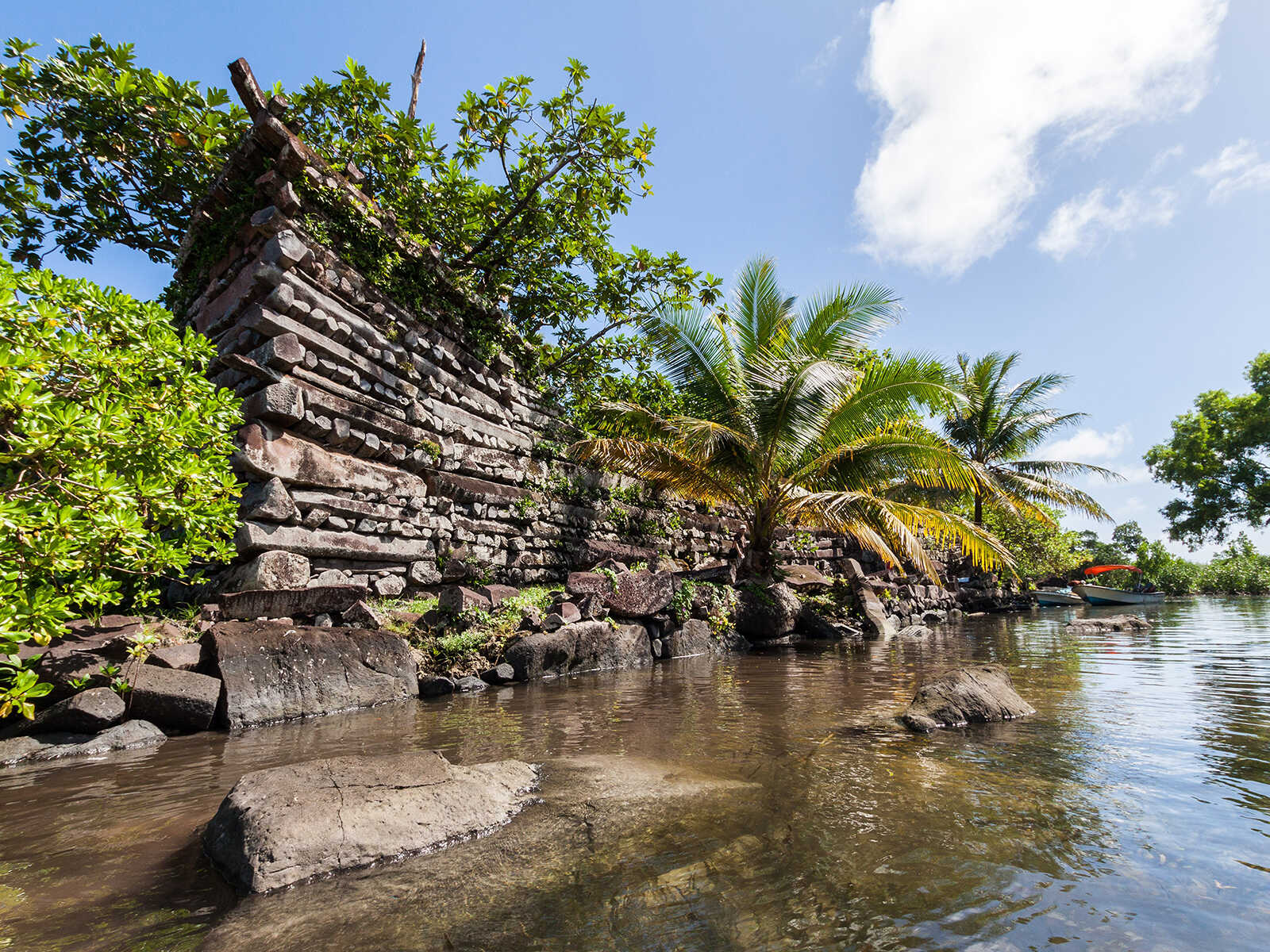
While Yap offers a deep dive into unique cultural practices, Micronesia itself is a tapestry of diverse experiences. For instance, adventurers might explore the mystical ruins of Nan Madol in Pohnpei, a Venice of the Pacific built on artificial islands, or delve into the underwater history of Truk Lagoon, a world-famous wreck diving destination. Each island in Micronesia presents its own distinct charm and story.
When visiting Yap, remember to engage with respect and an open mind. Local customs are deeply ingrained, and understanding them will enrich your experience. Always ask permission before taking photographs of people or entering private areas, and be mindful of traditional protocols.
The Enduring Legacy of Yap Stone Money
Yap stone money stands as a powerful symbol of human ingenuity, resilience, and the enduring strength of cultural identity. In a world increasingly dominated by digital transactions, the Rai stones of Yap offer a profound lesson in value—one that transcends mere material worth and instead finds its true richness in history, community, and the shared human spirit. Exploring this unique currency is not just about understanding economics; it's about connecting with the soul of Micronesia.