
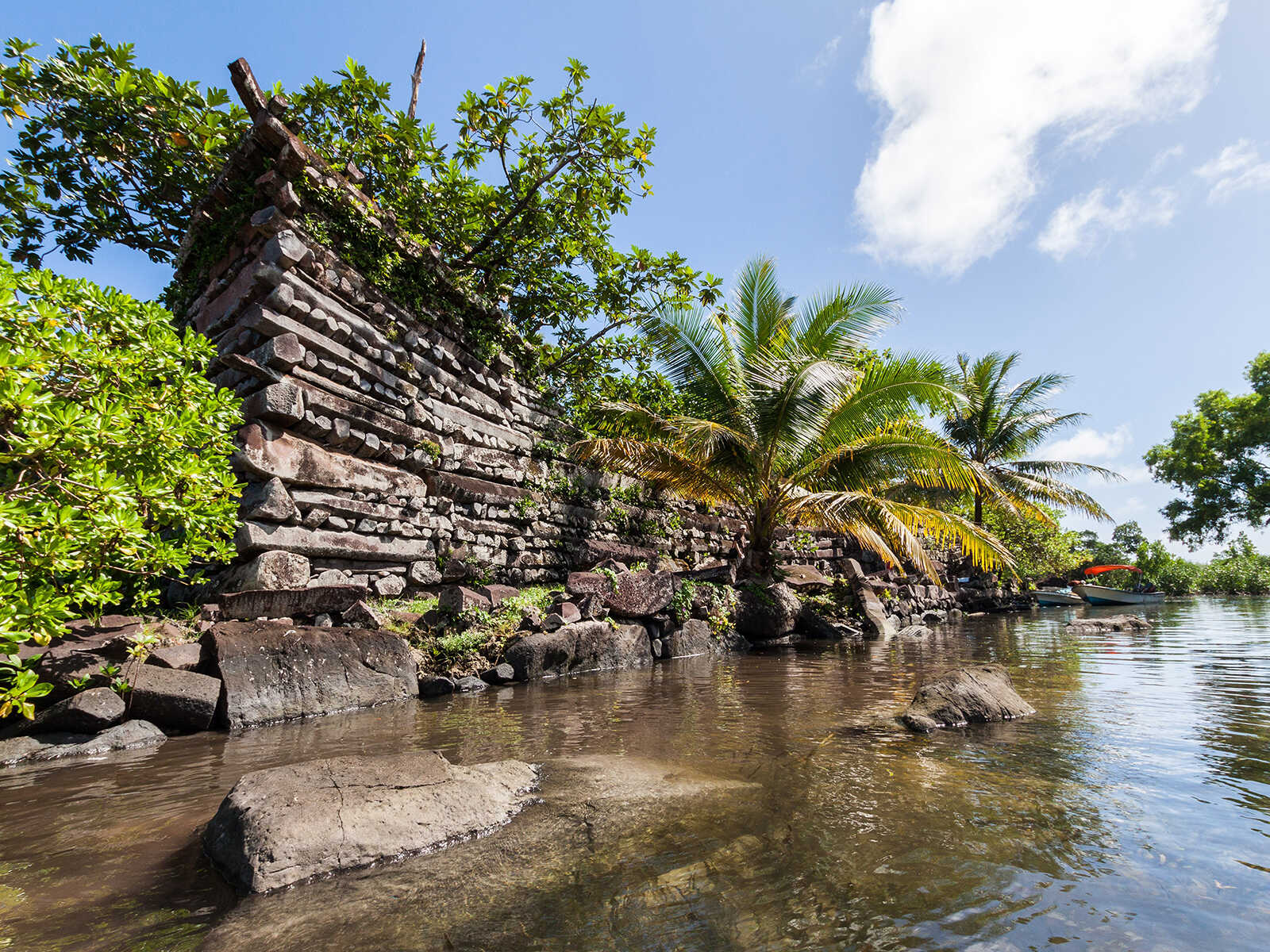
Yap Island Guide: Culture, Manta Rays, and Stone Money
Nestled in the western Pacific, Yap Island offers a captivating journey into a Micronesian world where ancient traditions thrive amidst pristine natural beauty. Famous for its colossal stone money, graceful manta rays, and deeply rooted culture, Yap provides a truly unique travel experience unlike any other destination.
Welcome to Yap: A Glimpse into Ancient Micronesia
Yap, one of the four states of the Federated States of Micronesia, is an archipelago of four main islands surrounded by a barrier reef. Often referred to as "The Land of Stone Money," it is a place where time seems to slow, allowing visitors to connect with a vibrant culture that has meticulously preserved its heritage for centuries. Far from the bustling tourist hubs,Yap offers an authentic and immersive adventure for those seeking genuine cultural encounters and breathtaking underwater explorations.
The Living Culture of Yap
Yapese culture is not merely a relic of the past; it is a dynamic, living force that permeates every aspect of daily life. The islanders maintain strong ties to their ancestral ways, visible in their communal village structures, traditional attire, and the revered practice of navigation.
Stone Money (Rai)
Perhaps the most iconic symbol of Yap is its unique currency:Rai, or stone money. These massive, donut-shaped discs of limestone, some weighing several tons and measuring up to 12 feet in diameter, are a testament to Yap's rich history and intricate social system. Quarried hundreds of miles away in Palau and transported by canoe, the value of each piece of Rai is determined not just by its size, but by its history, the difficulty of its journey, and the stories associated with it. Rai is not typically used for everyday transactions but for significant exchanges like dowries, land purchases, or resolving disputes, often remaining in place while ownership is transferred orally.
Fun Fact:The ownership of stone money can change hands without the physical movement of the stone itself. Its value is recognized by everyone in the community, even if it rests permanently in a public space.
Traditional Villages and Way of Life
Exploring Yap's villages is like stepping back in time. Traditional meeting houses (faluwfor men,pebaifor women), thatched-roof homes, and well-maintained stone paths characterize the landscape. Community life is central, with respect for elders and adherence to custom playing a pivotal role. Visitors are often welcomed with warmth, but it's essential to understand and respect local protocols.
Dancing and Festivals
Cultural dances are a vibrant expression of Yapese heritage, often performed during festivals or special occasions. These dances, rich in storytelling and symbolism, are accompanied by rhythmic chanting and traditional instruments. Attending a cultural performance offers a profound insight into the island's history, legends, and social fabric.
Respecting Local Customs
To ensure a positive experience for both visitors and locals, understanding and respecting Yapese customs is paramount. Modest dress is expected, especially in villages. Always ask permission before taking photographs of people. A friendly "Gatama yol" (hello) goes a long way in establishing a connection.
Underwater Wonders: Diving with Yap's Manta Rays
For many, the allure of Yap lies beneath its pristine turquoise waters. The island is world-renowned as a premier destination for encountering majestic manta rays year-round, making it a diver's paradise.
Manta Ray Bay
Yap's unique reef structure and nutrient-rich currents create ideal conditions for manta rays. Several "cleaning stations" around the island attract these gentle giants, where smaller fish remove parasites from their skin. While manta sightings are possible throughout the year, the peak season typically runs from late August to May, coinciding with the cooler, drier months.
Dive Sites and Marine Life
Beyond the captivating mantas, Yap's dive sites boast an incredible diversity of marine life. Healthy coral reefs teem with reef sharks, turtles, eagle rays, and a kaleidoscope of tropical fish. Popular sites include M'il Channel, known for its strong currents and pelagic encounters, and Vertigo, a thrilling drift dive. The visibility is often exceptional, offering unparalleled underwater photography opportunities. For those interested in historical wrecks, Micronesia also offers the legendary Truk Lagoon, a stark contrast to Yap's natural wonders.
Responsible Diving Practices
Yap is deeply committed to marine conservation. Divers are encouraged to practice responsible tourism, maintaining a respectful distance from marine life, avoiding touching corals, and following the guidance of local dive operators who are experts in protecting the delicate ecosystem.
Exploring Beyond the Shore
While diving is a major draw, Yap offers enchanting experiences on land as well, allowing visitors to delve deeper into its natural beauty and history.
Mangrove Forests and Kayaking
The island's extensive mangrove forests are a vital part of its ecosystem and offer a serene environment for exploration. Kayaking or paddleboarding through these intricate waterways provides a peaceful way to observe diverse birdlife and appreciate Yap's untouched natural landscapes.
WWII History
Like many islands in the Pacific, Yap played a role in World War II. Remnants of Japanese fortifications, gun emplacements, and plane wrecks can still be found scattered across the island, offering a poignant reminder of its past. Guided tours can provide context and bring these historical sites to life.
Outer Islands and Atolls
For the truly adventurous, excursions to Yap's remote outer islands and atolls offer an even more secluded experience. These tiny specks of land are home to communities that maintain even more traditional lifestyles, often reached by local cargo ships or small planes. Destinations like Ant Atoll, though part of Pohnpei State, exemplify the pristine beauty and traditional living found in Micronesia's remote islands, hinting at the further adventures possible from Yap.
Planning Your Trip to Yap
Visiting Yap requires a bit of planning, but the rewards are immeasurable for those seeking an off-the-beaten-path adventure.
Getting There
International flights typically connect through Guam, with onward flights to Yap. While connections might require an overnight stay in Guam, the journey itself is part of the adventure, preparing you for the tranquil pace of island life.
Accommodation and Dining
Accommodation options on Yap range from comfortable hotels catering to divers to more intimate guesthouses. Most establishments offer essential amenities and local hospitality. Dining typically features fresh seafood, local produce, and a blend of Micronesian and Asian influences. Don't miss trying local dishes like taro and fresh fish prepared traditionally.
Best Time to Visit
Yap enjoys a tropical climate year-round. The drier season, generally from November to May, offers slightly cooler temperatures and lower humidity, which is also considered the prime season for manta ray sightings. However, diving is excellent throughout the year, and the wet season brings lush greenery.
Practical Tips
- Currency:The US Dollar is the official currency.
- Language:Yapese is the local language, but English is widely spoken, especially in tourist areas.
- Packing:Light, breathable clothing, reef-safe sunscreen, insect repellent, a hat, and sturdy walking shoes are recommended. For divers, consider bringing your own mask and dive computer.
- Connectivity:Internet and mobile services are available but can be slow and limited in some areas, encouraging a digital detox.
Why Yap Should Be Your Next Micronesian Adventure
Yap Island is more than just a destination; it's an experience that enriches the soul. It’s a place where ancient traditions are not just preserved but lived, where the ocean reveals incredible wonders, and where the warmth of its people leaves a lasting impression. For those yearning to escape the ordinary and immerse themselves in a culture deeply connected to its past and its environment,Yap offers an unparalleled journey into the heart of authentic Micronesia. Discover its stone money, swim with its gentle giants, and let the timeless charm of Yap captivate you.