
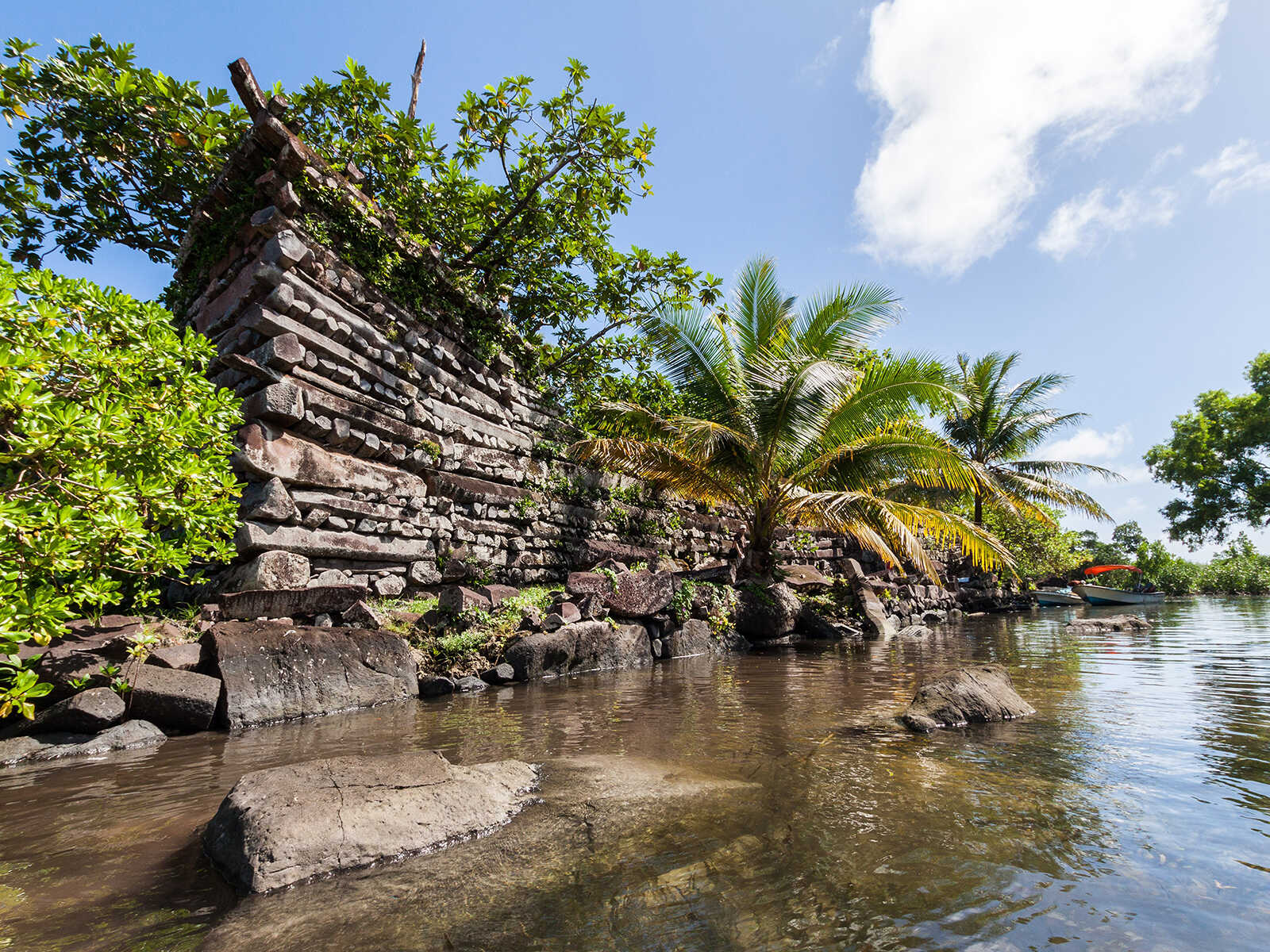
Wildlife of Micronesia: From Manta Rays to Tropical Birds
Micronesia, a vast expanse of islands scattered across the western Pacific, is a true haven for nature enthusiasts. This island nation boasts an incredible diversity of wildlife, from the mesmerizing marine creatures inhabiting its pristine coral reefs to the unique bird species soaring through its lush tropical forests. Prepare to discover an ecosystem teeming with life, both above and below the waves.
A Marine Wonderland: Underwater Life in Micronesia
The waters surrounding Micronesia are renowned globally for their extraordinary biodiversity. With some of the most vibrant coral reefs on Earth, the archipelago offers an unparalleled underwater spectacle, attracting divers and snorkelers from around the globe. The clarity of the water, coupled with the sheer abundance of marine species, makes every encounter unforgettable.
Majestic Manta Rays and Sharks
Among the most iconic residents of Micronesia's marine environment are the majestic manta rays. These gentle giants gracefully glide through the ocean, often seen at cleaning stations where smaller fish remove parasites. Places like Yap are particularly famous for their reliable manta ray encounters, offering divers an incredible opportunity to observe these magnificent creatures up close in their natural habitat. Beyond mantas, the waters are also home to a healthy population of sharks, including reef sharks, blacktips, whitetips, and occasionally hammerheads, indicating a thriving and balanced ecosystem.
Coral Reefs and Their Inhabitants
Micronesia's coral reefs are kaleidoscopic cities beneath the sea. Hard and soft corals create intricate structures that provide shelter and sustenance for an astonishing array of marine life. Swarms of colorful reef fish – parrotfish, angelfish, butterflyfish, and the ever-charming clownfish – dart among the coral branches. Sea turtles, including green, hawksbill, and loggerhead species, are common sights, often seen foraging or resting on the reef. The health of these reefs is paramount to the entire ecosystem, supporting countless species and providing crucial protection for the islands.
Shipwrecks as Artificial Reefs
Beyond the natural reefs, Micronesia offers a unique blend of history and biology in its numerous shipwrecks. Most famously,Truk Lagoon(now Chuuk Lagoon) is a graveyard of World War II vessels, transformed over decades into vibrant artificial reefs. These sunken ships are now encrusted with corals and anemones, providing new habitats for a diverse range of marine organisms, from tiny nudibranchs to large groupers and sharks. Exploring these wrecks offers a fascinating glimpse into both human history and the resilience of nature.
Dolphins and Other Cetaceans
While less commonly sighted than reef fish or manta rays, various species of dolphins and whales also frequent Micronesian waters. Spinner dolphins are known for their acrobatic displays, leaping and spinning out of the water. On rarer occasions, larger cetaceans like humpback whales or pilot whales can be spotted, particularly during their migratory seasons, adding another layer of wonder to the region's marine biodiversity.
Avian Wonders: Micronesia's Tropical Birds
Above the shimmering waters, Micronesia's islands are alive with the calls and vibrant plumage of tropical birds. Many of these species are endemic, meaning they are found nowhere else on Earth, making Micronesia a critical hotspot for avian conservation.
Forest Dwellers
The lush interior forests of Micronesia harbor a variety of fascinating bird species. Keep an eye out for the strikingly colored fruit doves, such as the Caroline Islands ground-dove, or the swift movements of various kingfisher species. Monarchs, fantails, and white-eyes flit through the canopy, their unique calls echoing through the dense foliage. These forest birds often play crucial roles in seed dispersal and pollination, contributing to the health of the island ecosystems. The majestic basalt columns surrounding areas like Sokehs Rock provide dramatic backdrops for spotting some of these forest inhabitants.
Seabirds and Coastal Fliers
The remote atolls and coastal areas of Micronesia are vital breeding grounds for numerous seabird species. Boobies (red-footed, brown, and masked), frigatebirds, terns (sooty, brown noddy, black noddy), and shearwaters can be observed nesting and foraging. Atolls like Ant Atoll are pristine examples of such seabird sanctuaries, where visitors can witness colonies of birds in their natural, undisturbed state. The graceful flight of these birds over the open ocean is a sight to behold, showcasing their incredible adaptation to a marine environment.
Birdwatching Tip:For the best birdwatching experience, bring a good pair of binoculars and consider hiring a local guide. They possess invaluable knowledge about bird habitats and calls, significantly increasing your chances of spotting rarer species.
Land-Based Critters: Beyond the Reef and Canopy
While Micronesia is famous for its marine and avian life, the islands also host a fascinating array of smaller land-based creatures. Though less prominent, these animals are integral to the island's ecological balance.
One of the most charismatic land mammals is the fruit bat, often referred to as the flying fox. These large bats play a vital role in pollinating plants and dispersing seeds across the islands. Various species of geckos and skinks scuttle across rocks and tree trunks, providing natural pest control. On the ground, numerous species of crabs, from tiny ghost crabs on the beaches to large coconut crabs in the forests, demonstrate the diversity of terrestrial invertebrates. Even the serene environment around Kepirohi Waterfall can offer glimpses of unique insect life and amphibians thriving in freshwater habitats.
Conservation Efforts: Protecting Micronesia's Precious Wildlife
The unique and often fragile ecosystems of Micronesia face various threats, including climate change, habitat loss, and invasive species. Recognizing the immense value of their natural heritage, many communities and organizations in Micronesia are actively engaged in conservation efforts. Marine Protected Areas (MPAs) are being established to safeguard critical habitats and allow fish populations to recover. Local communities are often at the forefront of these initiatives, combining traditional knowledge with modern science to protect their environment. Responsible tourism plays a crucial role in supporting these efforts, providing economic incentives for conservation.
Responsible Visitor Tip:When exploring Micronesia's wildlife, always maintain a respectful distance, avoid touching or feeding animals, and ensure you leave no trace behind. Support local conservation initiatives by choosing eco-friendly tour operators and accommodations.
Planning Your Wildlife Adventure
To make the most of your wildlife adventure in Micronesia, consider visiting during the dry season (roughly December to May), when calmer seas offer better diving and snorkeling conditions, and clear skies are ideal for birdwatching. Essential gear includes reef-safe sunscreen, a reusable water bottle, an underwater camera, and a good pair of binoculars. Always engage with reputable local tour operators and guides who prioritize sustainable practices and have a deep understanding of the local environment. Their expertise will not only enhance your experience but also ensure the wildlife is respected and protected.
Micronesia offers an unparalleled opportunity to connect with nature in its purest form. From the vibrant coral gardens teeming with manta rays and reef sharks to the lush forests alive with rare tropical birds, every moment in this island paradise is a testament to the incredible beauty and resilience of the natural world. By exploring responsibly, you can contribute to the preservation of these precious ecosystems for generations to come.