
Unique Experiences in Micronesia: From Stone Money to WWII Wrecks
Micronesia, a vast expanse of tropical islands scattered across the western Pacific, offers a journey unlike any other. This captivating region invites intrepid travelers to explore ancient civilizations, witness incredible historical remnants, and immerse themselves in vibrant island cultures.
An Introduction to Micronesia's Allure
Comprising thousands of islands and atolls, Micronesia is a mosaic of independent nations and territories, each with its distinct charm. From the Federated States of Micronesia to Palau, the Marshall Islands, and Kiribati, this region promises encounters with unparalleled natural beauty and a history that echoes through its landscapes and traditions. It's a destination for those seeking profound experiences away from the well-trodden tourist paths.
The Enigma of Stone Money on Yap
One of Micronesia's most fascinating cultural phenomena can be found on the island of Yap. Here, the concept of money takes on an entirely different dimension with the renownedRaistones.
These massive limestone discs, some measuring up to 12 feet in diameter and weighing several tons, serve as a unique form of currency. Quarried hundreds of miles away in Palau, the value of a Rai stone is not just in its size, but in the history of its journey and the challenges overcome to transport it to Yap. Despite modern currencies, the Rai stones still hold immense cultural and ceremonial significance, passed down through generations and used in important transactions like dowries or land sales.
Fun Fact:The ownership of a Rai stone doesn't necessarily mean its physical location changes. A stone might lie at the bottom of the sea, lost during transport centuries ago, yet still be a valid form of wealth on Yap, with its ownership simply transferred orally.
Visiting Yap offers a rare opportunity to step back in time and witness a living culture that reveres tradition. Observe locals in traditional attire, learn about their seafaring heritage, and gain insight into a society where community bonds are paramount.
Diving into History: WWII Wrecks of Truk Lagoon
For history buffs and diving enthusiasts,Truk Lagoon(now known as Chuuk Lagoon) in the Federated States of Micronesia is nothing short of legendary. This tranquil lagoon hides a poignant and dramatic past beneath its surface, making it one of the world's most significant underwater museums.
In February 1944, during Operation Hailstone, a massive Allied air and surface attack devastated the Japanese naval base at Truk Lagoon. Over 60 Japanese warships, merchant vessels, and more than 250 aircraft were sunk, creating an unparalleled collection of dive sites.
Exploring the Underwater Museum
Today, divers can explore an incredible array of perfectly preserved wrecks, including cargo ships, destroyers, submarines, and aircraft, often still laden with their original cargo – tanks, trucks, airplanes, ammunition, and even personal artifacts. Coral has transformed these wrecks into vibrant artificial reefs, teeming with marine life, creating a surreal blend of history and nature.
Visibility is typically excellent, allowing divers to penetrate cargo holds and engine rooms, offering an eerie yet awe-inspiring glimpse into a frozen moment in time. Whether you're an experienced technical diver or a recreational enthusiast,Truk Lagoon provides an unforgettable journey into a pivotal chapter of human history.
Ancient Mysteries: The Megaliths of Nan Madol
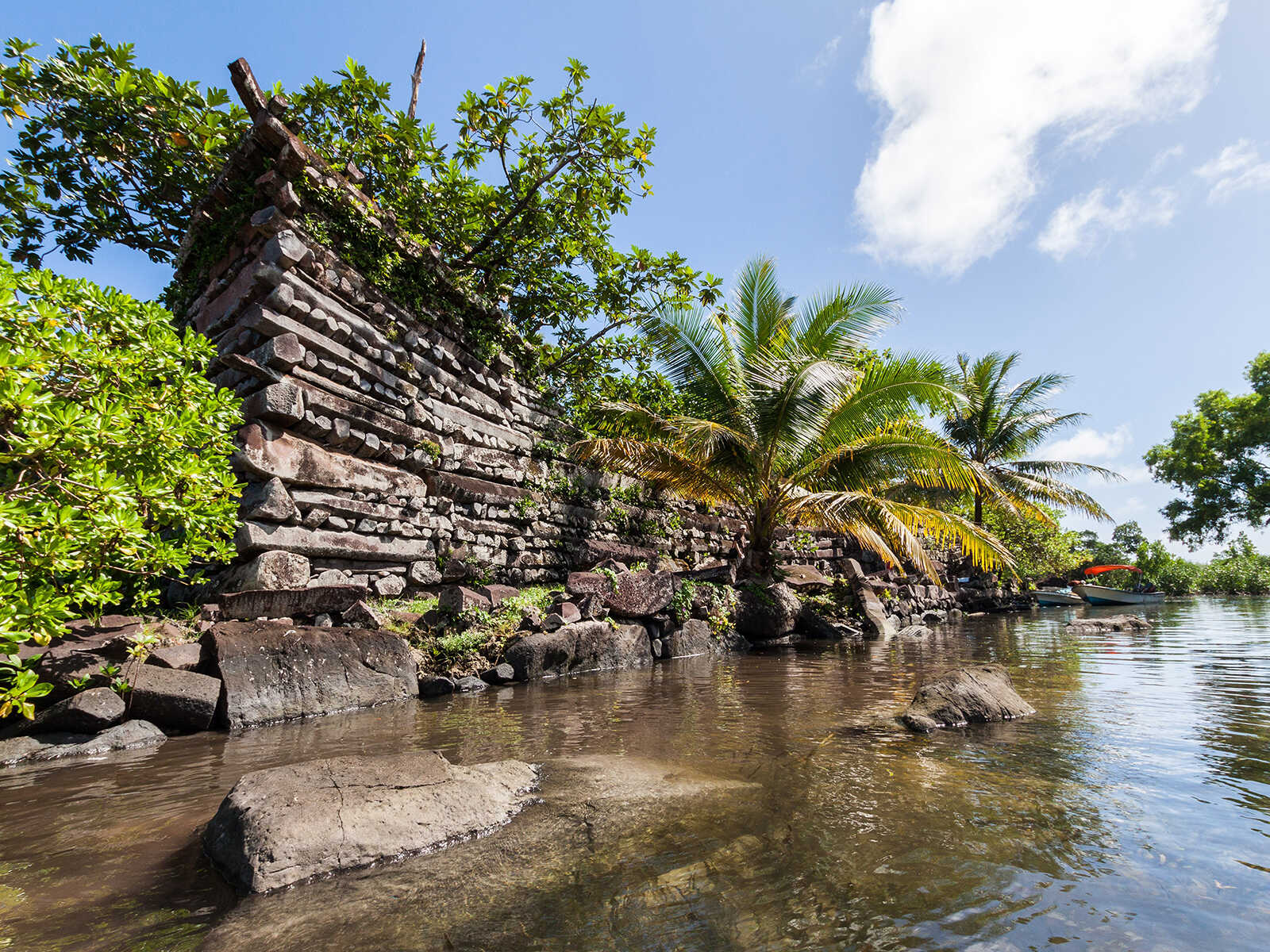
On the eastern side of Pohnpei lies Nan Madol, an archaeological marvel often referred to as the "Venice of the Pacific." This ancient city, constructed on a series of man-made islets connected by canals and bridges, dates back to the 13th to 17th centuries.
Built from massive basalt logs, some weighing up to 90 tons,Nan Madol served as the ceremonial and political seat of the Saudeleur Dynasty. The sheer scale and complexity of its construction, without the use of mortar or modern tools, continue to baffle archaeologists and inspire awe.
UNESCO World Heritage Site:Nan Madol is a designated UNESCO World Heritage site, recognized for its outstanding universal value as a unique testament to the achievements of Pacific island societies.
Exploring the ruins of Nan Madol offers a profound connection to Micronesia's rich pre-colonial history. Visitors can wander through the ancient stone structures, marvel at the engineering prowess of its builders, and ponder the mysteries of a civilization that rose and fell centuries ago.
Pristine Natural Wonders and Biodiversity
Beyond its historical and cultural treasures, Micronesia boasts breathtaking natural beauty. Its islands are fringed with powdery white sand beaches, crystal-clear turquoise waters, and vibrant coral reefs, making it a paradise for nature lovers.
Underwater Ecosystems
The region's marine biodiversity is astounding. Snorkeling and diving reveal kaleidoscopic coral gardens, playful dolphins, majestic manta rays, and a myriad of tropical fish. At places like Ant Atoll, an uninhabited coral atoll off the coast of Pohnpei, visitors can experience truly pristine marine environments, perfect for drift diving or simply enjoying the untouched beauty.
Lush Landscapes and Waterfalls
On land, islands like Pohnpei are characterized by lush, volcanic landscapes. Visitors can hike through dense rainforests to discover stunning waterfalls, such as Kepirohi Waterfall, a multi-tiered cascade surrounded by verdant foliage. For panoramic views, a climb up Sokehs Rock offers spectacular vistas of Pohnpei's coastline and interior, providing a perfect opportunity for photography and reflection.
Immersive Cultural Experiences
While Yap offers a unique glimpse into traditional currency, Micronesia as a whole is rich in diverse cultural practices. Each island group has its own distinct languages, traditions, and art forms. Engage with local communities to learn about traditional weaving, carving, and navigation techniques. Witness captivating performances of traditional dances and music that tell stories of ancestral journeys and island life. Participating in a local kava ceremony, particularly in Pohnpei, offers a deep insight into island hospitality and social customs.
Planning Your Micronesian Adventure
Traveling to Micronesia requires a spirit of adventure and a willingness to embrace island time. Here are a few practical tips:
- Best Time to Visit:The dry season, generally from November to April, offers the most pleasant weather for exploring.
- Getting Around:Inter-island flights connect the main islands, but local boats and taxis are common for shorter distances.
- Respect Local Customs:Modesty in dress, especially when visiting villages, and asking permission before taking photos are appreciated.
- Essentials:Pack light, breathable clothing, reef-safe sunscreen, insect repellent, and a good waterproof camera. Cash is often preferred outside of major hotels.
- Sustainability:Support local businesses and practice responsible tourism to help preserve Micronesia's delicate ecosystems and cultures.
Conclusion
Micronesia is more than just a collection of islands; it's a living tapestry of history, culture, and unparalleled natural beauty. From the ancient stone money of Yap and the haunting WWII wrecks of Truk Lagoon to the mysterious megaliths of Nan Madol and the vibrant marine life of Ant Atoll, every experience here is unique. For the discerning traveler seeking genuine discovery and meaningful connections, Micronesia promises an unforgettable journey into the heart of the Pacific.