
Truk Lagoon Diving Guide: Planning Your WWII Wreck Expedition
Embark on an extraordinary journey beneath the waves to Truk Lagoon, a haunting underwater museum frozen in time. This remote Micronesian paradise offers an unparalleled wreck diving experience, inviting adventurers to explore a vast fleet of WWII Japanese ships and aircraft.
A Glimpse into History: The Ghost Fleet of Truk Lagoon
Also known as Chuuk Lagoon,Truk Lagoon serves as the watery grave for over 60 Japanese warships and merchant vessels, along with numerous aircraft, sunk during the infamous "Operation Hailstone" (part of Operation Against Truk) in February 1944. This decisive Allied attack during World War II effectively crippled the Japanese Imperial Navy's primary forward operating base in the Pacific. Today, these wrecks lie remarkably preserved on the lagoon floor, transforming the area into the world's largest sunken fleet and a poignant historical site.
Why Dive Truk Lagoon? Unique Selling Points
Truk Lagoon isn't just another dive site; it's a pilgrimage for wreck enthusiasts and history buffs alike. What sets it apart?
- Unparalleled Wreck Concentration:Nowhere else on Earth can you find such a dense collection of accessible, intact WWII wrecks. From cargo ships laden with tanks and trucks to fighter planes and submarines, each dive reveals a new chapter of history.
- Historical Significance:Exploring these wrecks offers a tangible connection to one of humanity's most significant conflicts. Personal artifacts, ammunition, and machinery remain largely as they were on that fateful day, providing a chillingly real insight into the lives of those involved.
- Thriving Marine Ecosystem:Despite their grim past, the wrecks have transformed into vibrant artificial reefs. Colorful corals encrust every surface, attracting an abundance of marine life, including reef sharks, turtles, barracuda, and countless reef fish, creating a unique blend of history and nature.
Essential Planning Steps for Your Expedition
When to Go: Best Season for Diving Truk Lagoon
Truk Lagoon enjoys a tropical climate year-round, but there are optimal times for diving. The dry season, fromDecember to April, generally offers the calmest seas, best visibility (often exceeding 30 meters), and most comfortable surface conditions. The wet season, from May to November, can bring more rain and choppier seas, but diving is still possible, and the water temperature remains consistently warm (around 28-30°C / 82-86°F) throughout the year.
Getting There: Travel & Logistics
Reaching Truk Lagoon requires some planning. The primary gateway is Chuuk International Airport (Weno, TKK), located on Weno Island. Most international flights connect via Guam (GUM), with United Airlines being the main carrier. From the airport, your chosen dive operator will typically arrange transfers to your liveaboard or resort. Ensure your passport is valid for at least six months beyond your planned departure, and check current visa requirements for Micronesia based on your nationality well in advance.
Choosing Your Dive Operator: Liveaboard vs. Land-Based
Your choice of accommodation and dive platform significantly impacts your experience:
- Liveaboards:These are highly recommended for maximizing dive time and accessing a wider range of wrecks, particularly those further afield. They offer convenience, multiple dives per day, and often specialized amenities for technical diving.
- Land-Based Resorts:Options are available on Weno Island, offering daily boat trips to the wrecks. This might be suitable for divers who prefer to sleep on land or want more flexibility between dives.
When selecting an operator, prioritize safety records, the experience of their dive guides (especially with technical and wreck penetration), equipment maintenance, and their commitment to responsible diving practices.
Diving Qualifications & Experience
Truk Lagoon is not typically a beginner's destination. While some shallower wrecks are accessible to open water divers, many of the most iconic sites require advanced certifications. It is highly recommended to have:
- Advanced Open Water Certification:For deeper dives.
- Wreck Diver Specialty:Essential for safe wreck penetration.
- Deep Diver Specialty:Many wrecks lie below 30 meters (100 feet).
- Nitrox Certification:Extends bottom time and reduces nitrogen loading.
- Technical Diving Certifications:For deeper, longer, or more complex penetration dives (e.g., Trimix, Rebreather).
Expert Tip:Gain significant experience in various diving conditions and consider completing your Wreck and Deep Diver specialties before arriving. Some operators may offer these courses on-site, but prior experience will enhance your enjoyment and safety.
Equipment Checklist: What to Bring
Beyond your standard dive gear, consider these items for Truk Lagoon:
- Dive Computer:With multi-gas capabilities if diving Nitrox or Trimix.
- Primary and Backup Dive Lights:Crucial for wreck penetration and exploring dark interiors.
- Dive Reel and Line:Essential for safe wreck penetration.
- Redundant Air Source:Such as a pony bottle, especially for deeper or longer dives.
- Cutting Device:For entanglement situations.
- Small First Aid Kit & Personal Medications:Including motion sickness remedies.
- Reef Hook:For strong currents, though currents are generally mild in the lagoon.
- Sun Protection:High SPF sunscreen, hat, sunglasses.
- Insect Repellent:For evenings on land.
Health & Safety Considerations
Diving in a remote location like Truk Lagoon necessitates careful health and safety planning:
- Dive Insurance:Absolutely mandatory. Ensure your policy covers dive accidents, hyperbaric treatment, and emergency evacuation. DAN (Divers Alert Network) is a popular choice.
- Medical Fitness:Ensure you are medically fit for diving. Consult your doctor if you have any concerns.
- Decompression Sickness (DCS):Be mindful of your dive profiles, ascend slowly, and always perform safety stops. The nearest hyperbaric chamber is typically in Guam, emphasizing the need for conservative diving.
- Local Emergency Services:Understand the emergency procedures of your dive operator.
What to Expect: Iconic Wrecks and Marine Life
Each dive in Truk Lagoon unveils a unique spectacle. You might explore the Shinkoku Maru, a tanker adorned with vibrant corals and teeming with fish, or descend into the holds of the Fujikawa Maru, discovering Zero fighter plane parts. The legendary San Francisco Maru, sitting at over 60 meters, offers a challenging technical dive to see tanks, trucks, and mines still in her holds. Beyond the wrecks themselves, the lagoon's diverse marine life adds another layer of wonder, with vibrant soft corals, anemones, sharks, and schools of fish transforming these historical relics into living reefs.
Beyond the Wrecks: Micronesia's Other Charms
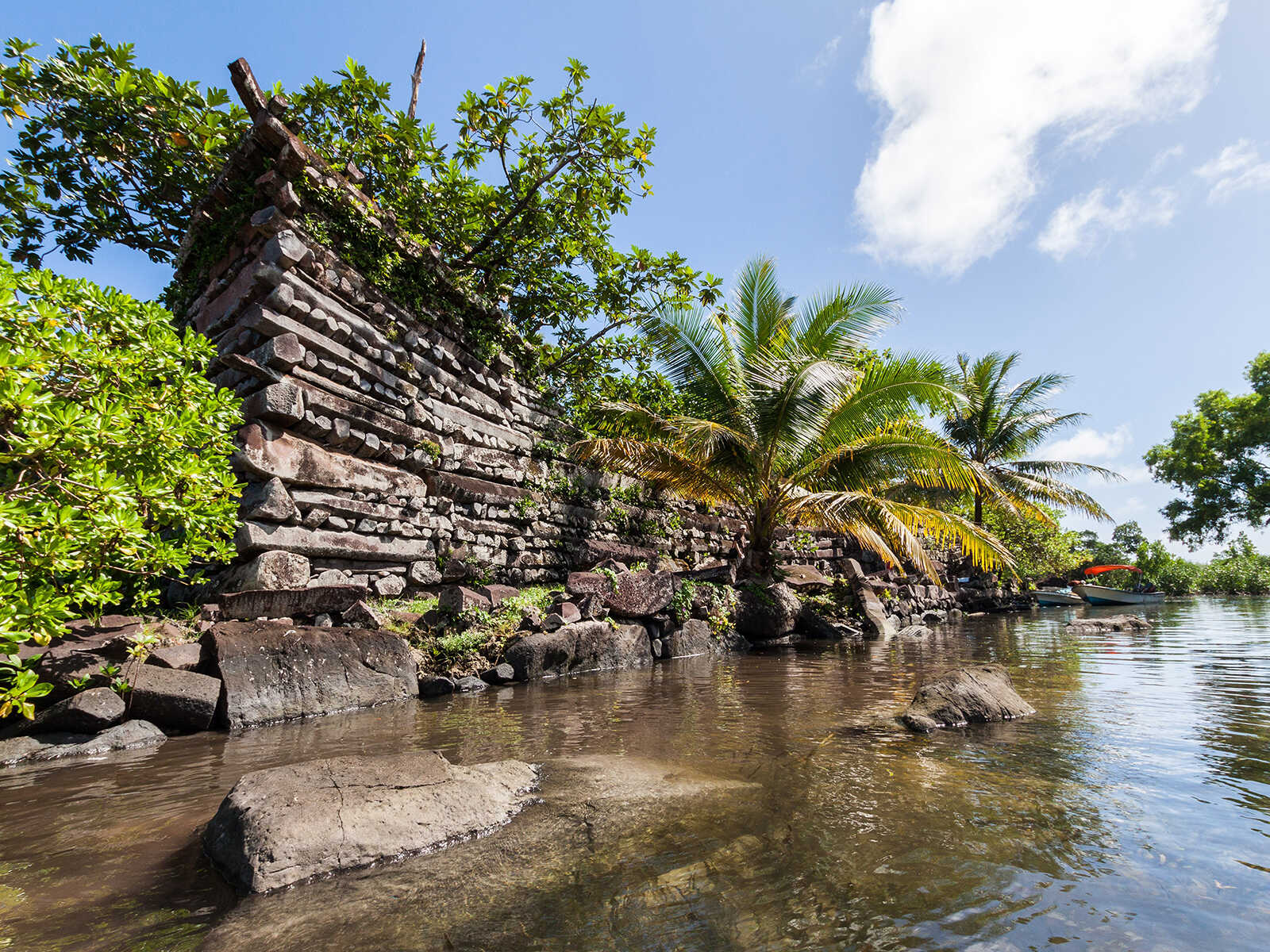
While Truk Lagoon is undeniably the star attraction for divers, Micronesia offers a tapestry of other unique experiences for those extending their travels. From the ancient, mysterious ruins of Nan Madol in Pohnpei, often called the "Venice of the Pacific," to the world-renowned manta ray encounters in Yap, the region promises diverse adventures. Explore the lush landscapes and waterfalls like Kepirohi Waterfall, or marvel at the geological formations of Sokehs Rock. For a serene natural escape, consider the pristine beauty of Ant Atoll, offering untouched reefs and secluded beaches.
Responsible Diving in Truk Lagoon
Preserving this incredible historical and ecological site is paramount. Always practice responsible diving:
- Look, Don't Touch:Avoid touching wrecks, corals, or marine life.
- Maintain Buoyancy:Prevent accidental contact with delicate structures or disturbing silt.
- No Souvenirs:It is illegal and unethical to remove artifacts from the wrecks. Leave everything as you find it for future generations to appreciate.
- Support Local Communities:Choose operators committed to sustainable tourism and fair labor practices.
Final Thoughts: An Unforgettable Journey
A diving expedition to Truk Lagoon is more than just a vacation; it's an immersive journey into history, an encounter with vibrant marine life, and a profound experience that stays with you long after you've surfaced. With careful planning and preparation, you'll be ready to explore one of the world's most captivating underwater museums.
Start planning your Truk Lagoon adventure today and prepare to dive into history!